

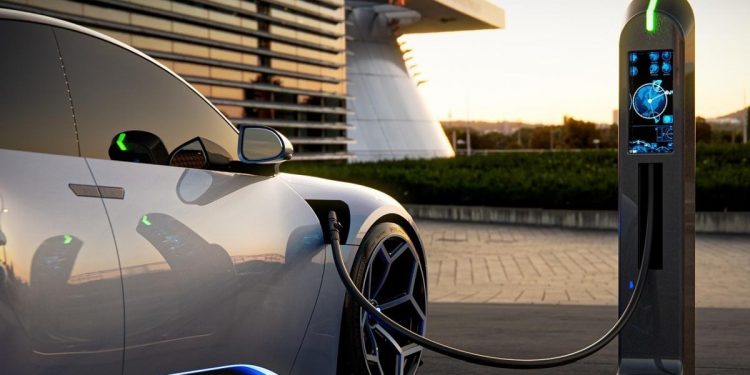
Electric vehicle penetration in India’s luxury car segment has declined by nearly three percentage points in the GST 2.0 era, with internal combustion engine vehicles offering a more favourable total cost of ownership, according to industry executives. The shift is most visible in the entry level luxury segment, where price sensitivity is higher and the gap between EV and ICE models has widened under the revised tax structure.
The trend is also being seen in the mass market, though the impact is sharper among luxury buyers considering entry segment vehicles.
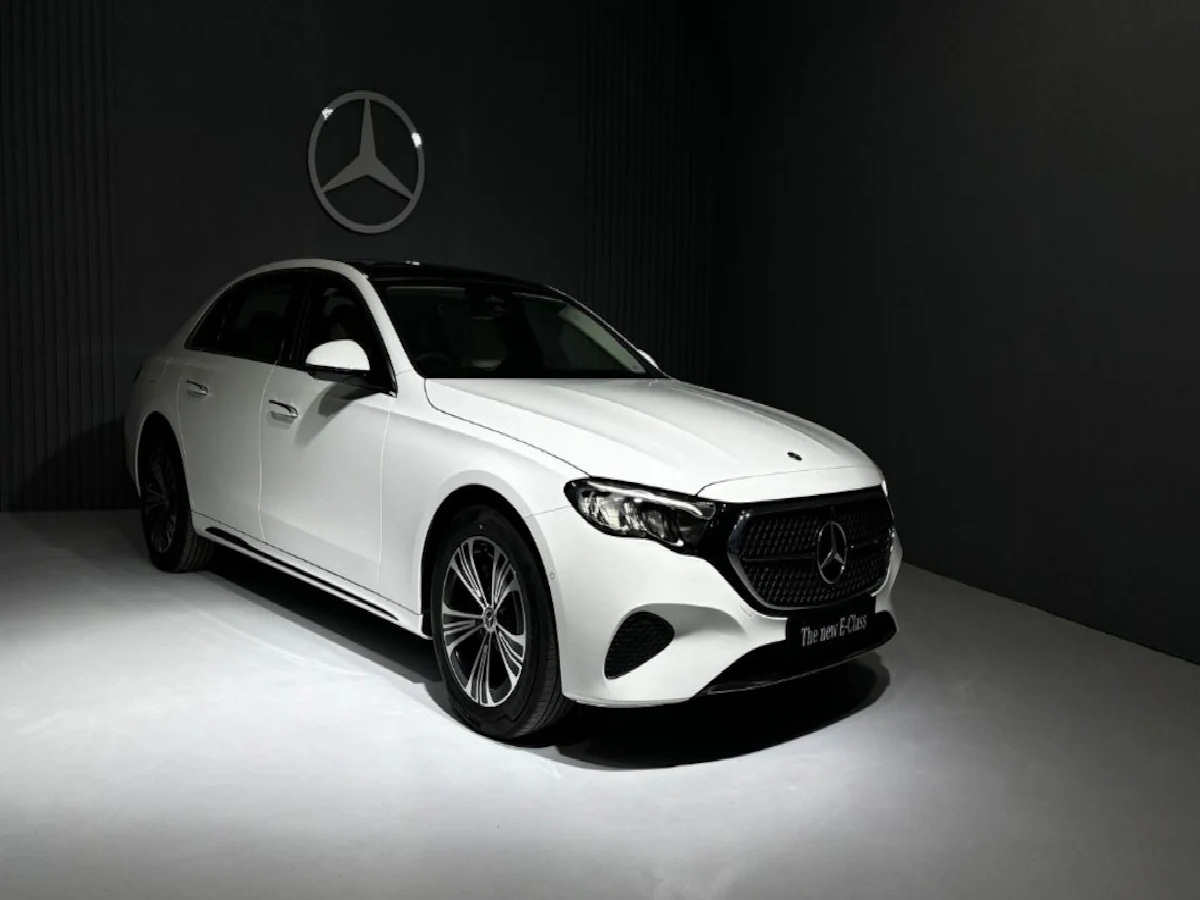
Mercedes Benz India managing director and chief executive officer Santosh Iyer said EV penetration fell by two to three percentage points across both mass market and luxury segments during October and November 2025, primarily due to ICE vehicles delivering better ownership economics. He added that a change in the cost equation could again alter EV adoption trends.
Iyer explained that the major fluctuation has occurred in the entry luxury EV category, while demand for top end electric models has remained relatively stable. He noted that price sensitivity is lower in higher end luxury vehicles, which has helped EVs retain traction in that segment. For Mercedes Benz India, electric vehicles account for eight per cent of overall sales, but in models priced above Rs 1.5 crore, EV penetration rises to 20 per cent.
BMW Group India president and chief executive officer Hardeep Singh Brar said that while GST 2.0 has made the company’s ICE portfolio more attractive, demand for electric vehicles continues to grow strongly. He said customers are increasingly influenced by factors such as sustainability, lower running costs, and advanced technology, rather than pricing alone.
Brar added that BMW passed on the full benefit of GST 2.0 to customers, resulting in an average price reduction of 6.7 per cent across its ICE range. Buyers also benefited from special financing schemes under BMW Smart Finance. He said that between September and November, BMW’s ICE vehicle sales recorded double digit year on year growth, while sales of BMW and MINI electric models surged by more than 130 per cent over the same period.
According to Brar, electric vehicles now make up 21 per cent of BMW’s total sales in India, with the company aiming to increase this share to 30 per cent by 2030.
Audi India brand director Balbir Singh Dhillon offered a different perspective, saying the market is still adjusting to the GST 2.0 framework and its full impact will unfold over the next year. He said Audi’s electric portfolio has continued to perform steadily, reflecting increasing acceptance of luxury EVs among Indian consumers.
Dhillon noted that demand for the Audi e tron range has remained consistent, with current allocations sold out under the company’s global planning cycle. Looking ahead, he said Audi remains cautiously optimistic about a more balanced demand environment in 2026 as the market adapts to revised taxation, policy stability improves, and macroeconomic conditions become clearer.
Under the GST 2.0 regime implemented in September last year, petrol, LPG, and CNG vehicles with engine capacity below 1,200 cc and length not exceeding 4,000 mm, along with diesel vehicles up to 1,500 cc and 4,000 mm in length, were brought under the 18 per cent GST slab, down from 28 per cent plus cess. In contrast, vehicles exceeding 1,200 cc and longer than 4,000 mm were placed in the 40 per cent GST bracket, compared to the earlier structure of 28 per cent GST plus cess ranging between 15 and 22 per cent.




Discussion about this post