


A growing number of flights facing GPS spoofing and jamming incidents has emerged as a serious concern, prompting global airlines’ body IATA to urge pilots to exercise heightened operational vigilance. The International Air Transport Association, which represents nearly 360 airlines accounting for more than 80% of global air traffic, said the surge in such incidents is both significant and worrying.
Airlines from India, including Air India, IndiGo, Air India Express and SpiceJet, are members of the IATA grouping.
In recent months, cases of GPS spoofing and interference have been reported at major Indian airports such as Delhi, Mumbai, Kolkata, Amritsar, Hyderabad, Bengaluru and Chennai.
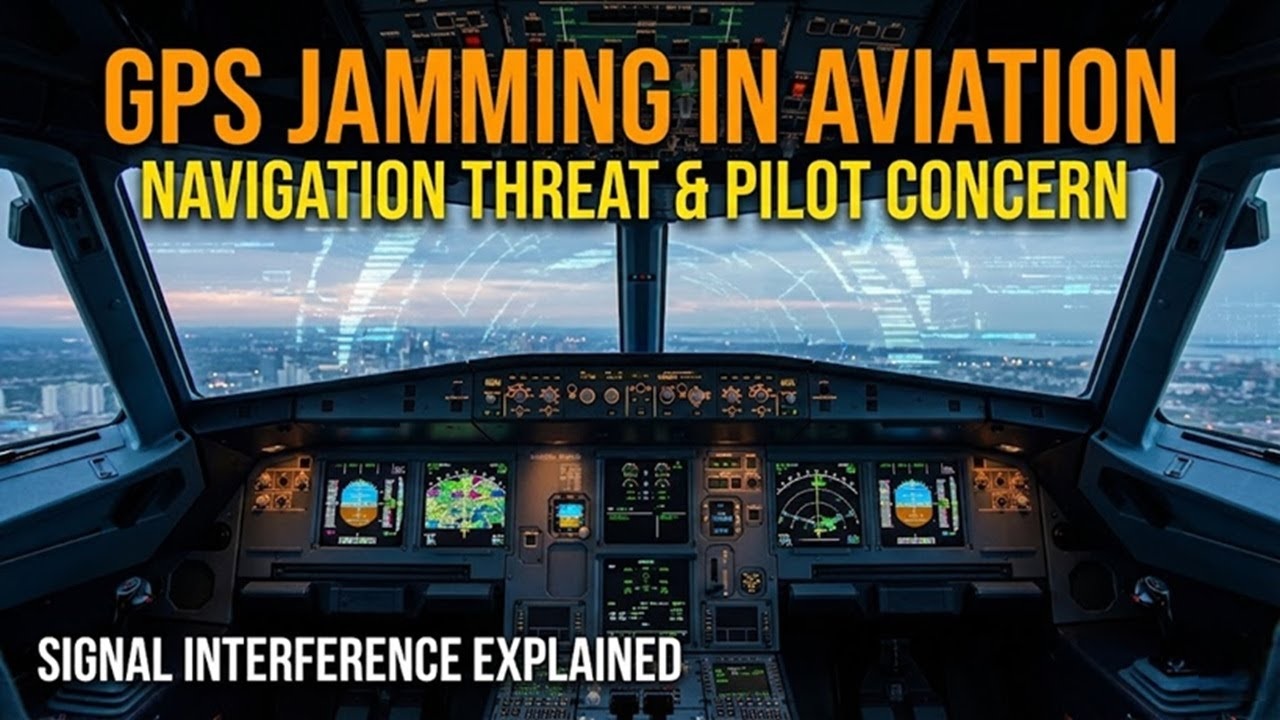
Speaking during interactions in Geneva this week, IATA Director General Willie Walsh said incidents of GPS spoofing and jamming have increased sharply across the world. He stressed that the scale of the rise requires pilots to be far more alert during operations, as the issue is no longer confined to a few regions.
GPS or Global Navigation Satellite System (GNSS) spoofing and jamming involve attempts to disrupt or manipulate navigation systems by transmitting false or misleading signals. The International Civil Aviation Organisation (ICAO) categorises GNSS spoofing as a form of International Radio Frequency Interference.
Nick Careen, IATA’s Senior Vice President for Operations, Safety and Security, noted that such incidents were initially concentrated in the Middle East and later intensified in Eastern Europe following the Russia-Ukraine conflict. He added that similar cases are now being reported in India, other parts of Asia and even regions such as Venezuela.
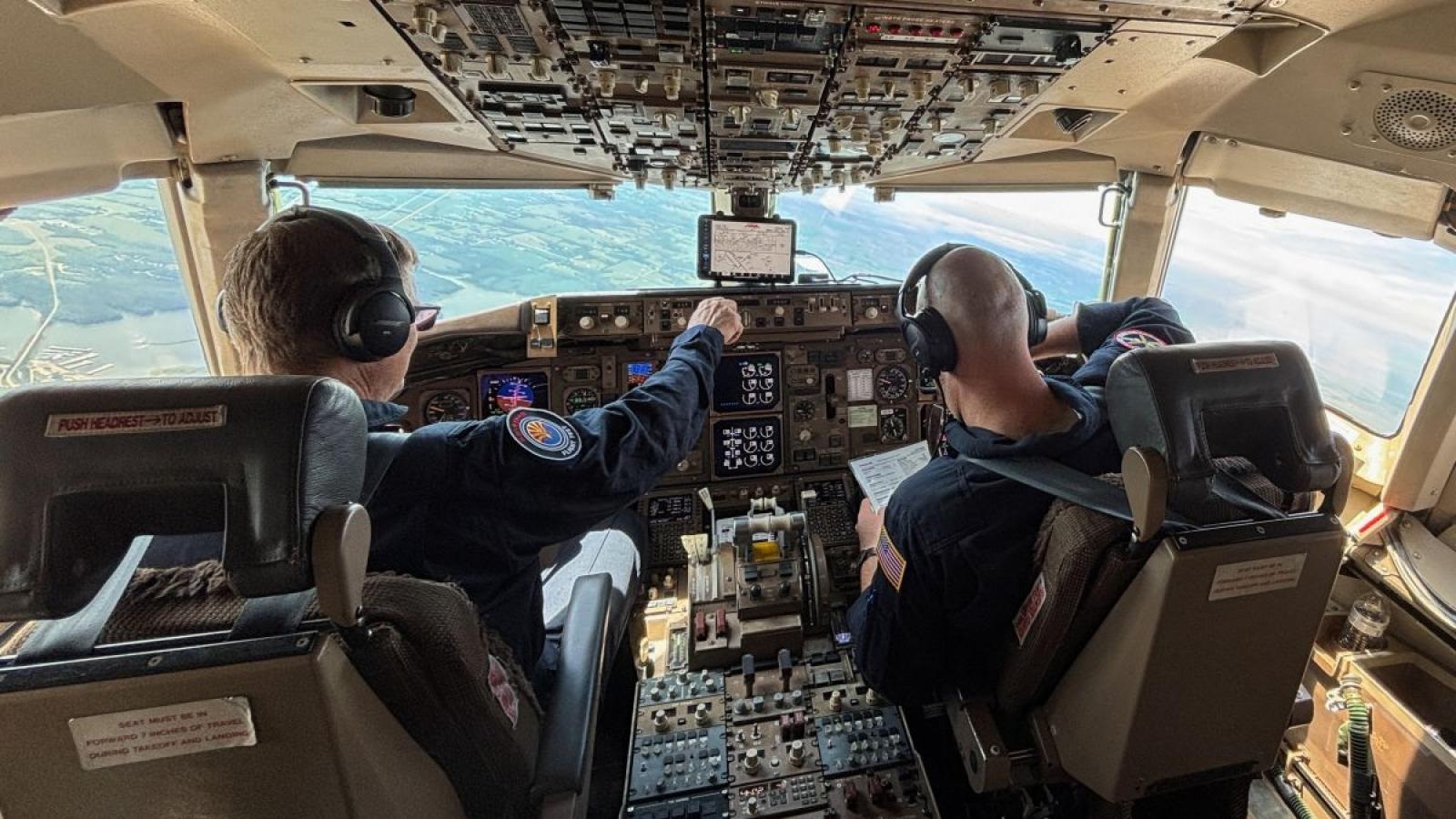
Data compiled by IATA shows that the GPS loss rate, measured as the number of GPS signal loss events per 1,000 flights, has risen steadily over the years. The rate stood at 31 in 2022, increased to 56 in 2024 and is projected to reach 59 in 2025. These figures are based on information from the Flight Data eXchange database, part of IATA’s Global Aviation Data Management programme.
Careen described the upward trend as notable and concerning, pointing out that the increase cannot be explained merely by higher flight volumes. He emphasised that GPS interference is becoming more frequent and poses evolving safety challenges for airlines.
According to IATA, data-driven tools such as the Flight Data eXchange are critical in helping airlines assess and mitigate safety risks. Careen also clarified that civil aviation is typically not the intended target of such interference, but often becomes an unintended bystander due to military activities around conflict zones.
He added that improved coordination, communication and resilient systems can help manage the risks. While raising awareness remains a priority, Careen said the issue would not deter him personally from flying.
Meanwhile, India’s civil aviation ministry informed the Lok Sabha this week that 1,951 cases of GPS interference affecting aircraft have been reported since November 2023. Formal reporting of such incidents began after the Directorate General of Civil Aviation issued an advisory circular on GNSS interference in airspace.







Discussion about this post