The post Dhurandhar Review: When a Spy Thriller Slips into Deep State Propaganda appeared first on The Edge Media.
]]>
A closer viewing of Dhurandhar reveals multiple glaring inaccuracies and narrative gaps. Given Dhar’s reputation for rigorous research, these lapses raise an uncomfortable question: were they oversights, or were they ignored because historical accuracy was never the film’s real objective?
read also: Akshaye Khanna’s ‘Dhurandhar’ Revives the Chilling Legacy of Lyari Dreaded Don Rehman Dakait
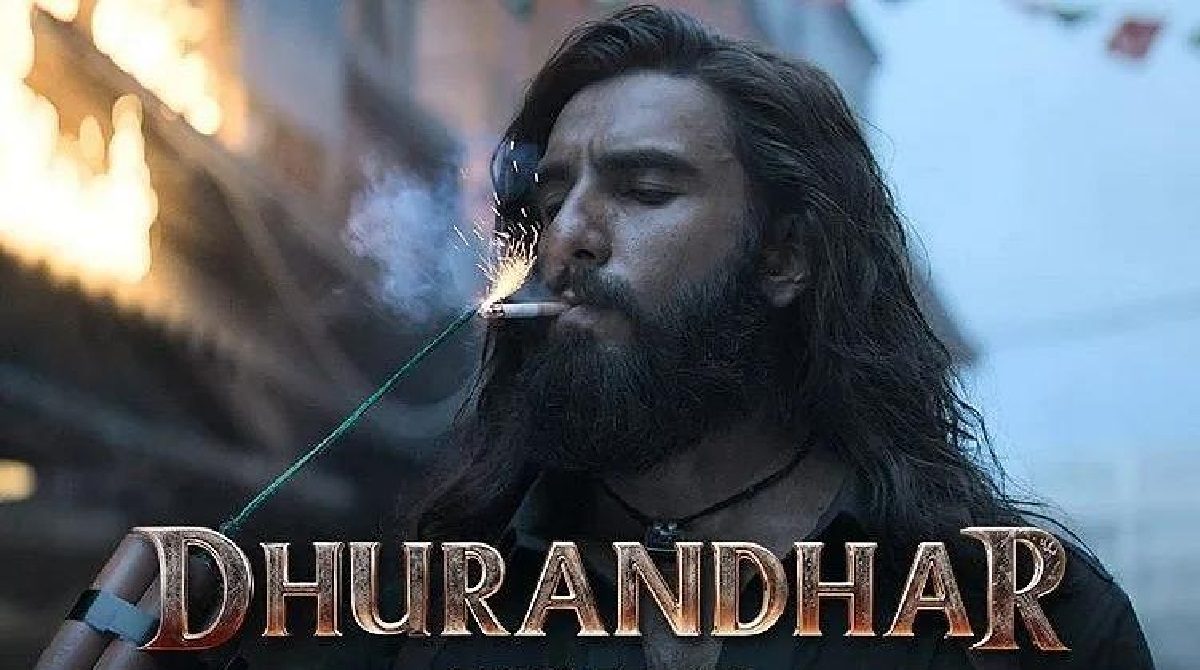
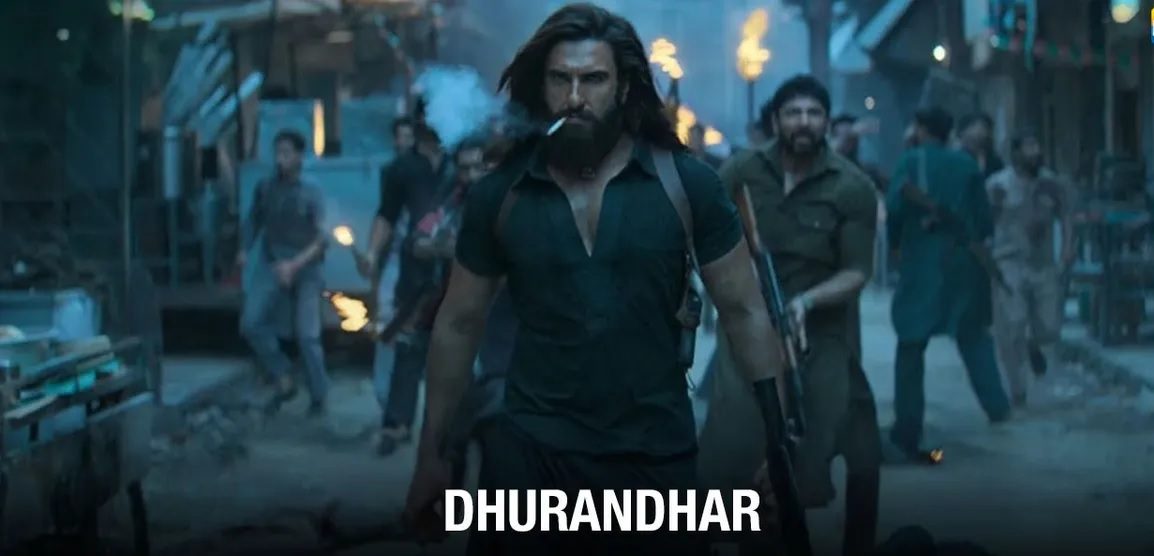
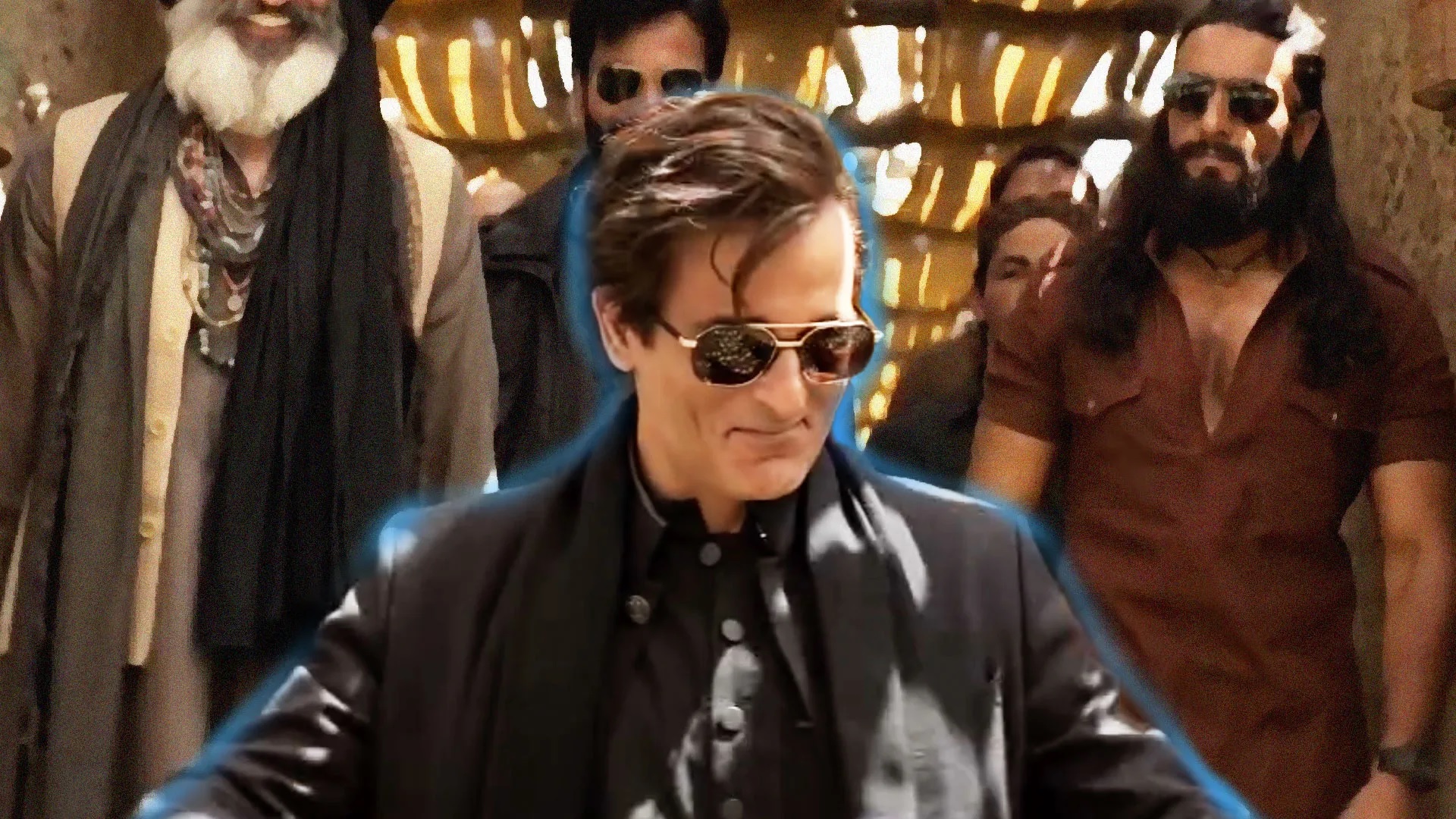
On the surface, Dhurandhar claims to tell the story of an Indian spy, played by Ranveer Singh, who infiltrates Karachi’s criminal underworld to neutralise threats to national security. In reality, the film unfolds as a thinly disguised ideological narrative that champions an all-powerful intelligence establishment while systematically devaluing democratic institutions. What could have been a grounded espionage drama instead resembles propaganda that normalises the idea of a deep state running the country.
The issues surface from the opening sequence itself. The film begins with visuals of blindfolded passengers aboard the hijacked Air India IC 814 at Kandahar. This depiction is historically inaccurate. During the 1999 hijacking, most women and children were released in Dubai before the aircraft flew on to Kandahar, barring a few exceptions among the crew and passengers. When filmmakers recreate real events, fidelity to facts is not optional, it is a moral responsibility.
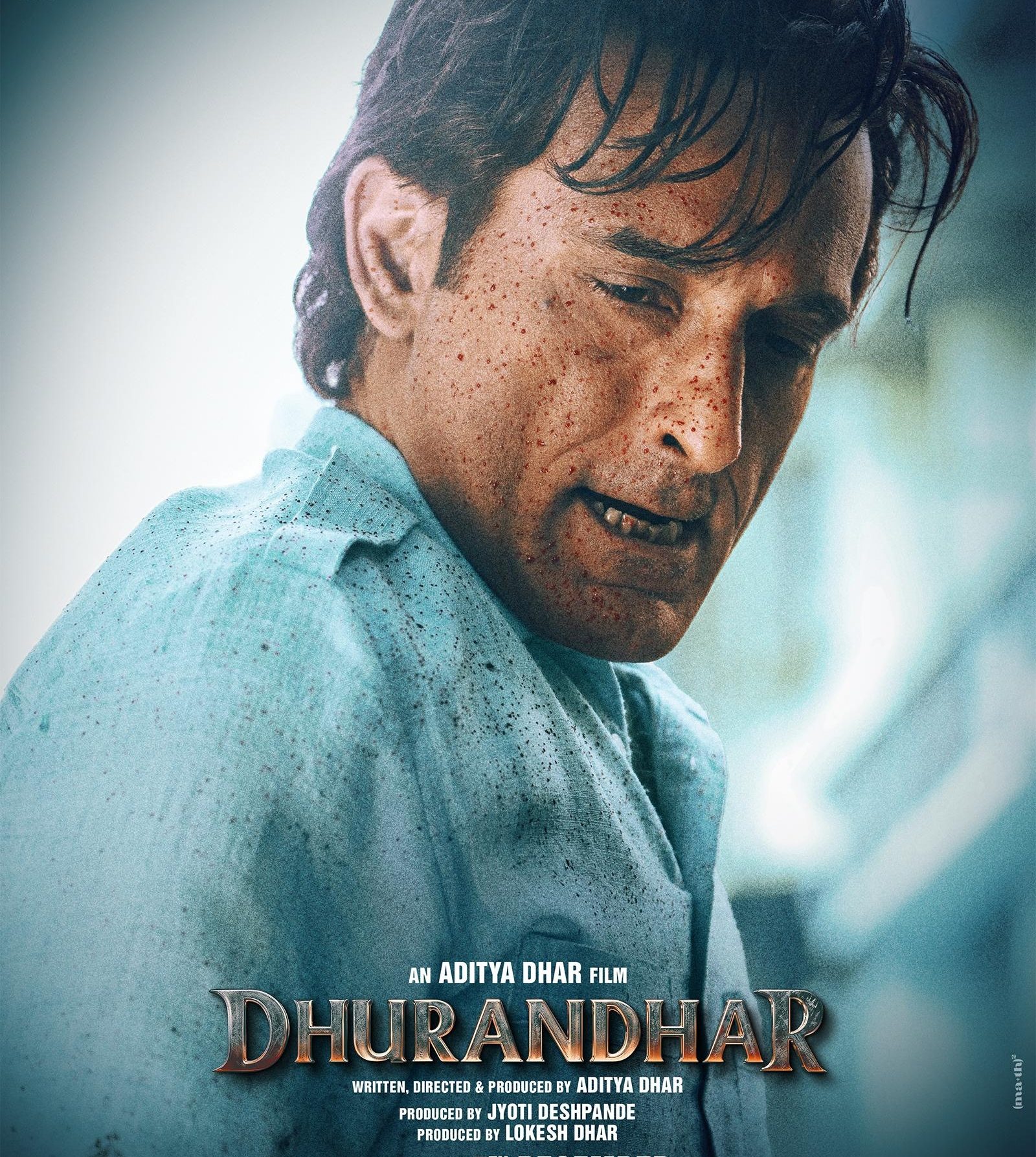
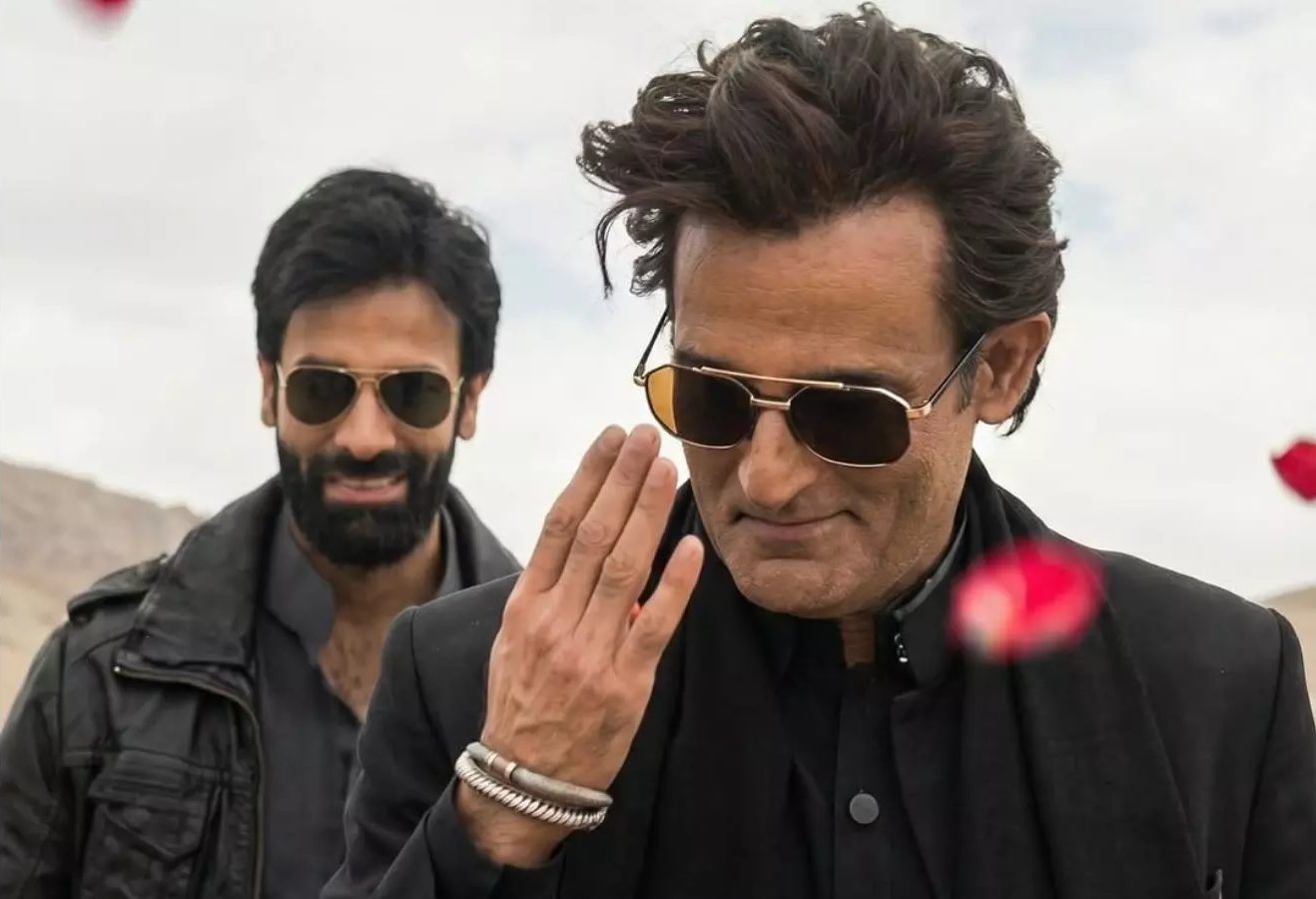
As the narrative progresses, Dhurandhar shifts focus from national security to the worldview of Ajay Sanyal, a powerful intelligence officer portrayed by R Madhavan. Sanyal is projected as the ultimate arbiter of patriotism, morality, and national interest. His decisions override elected governments, democratic processes, and institutional checks, positioning him above constitutional authority.
The film’s political bias is explicit. The Congress-led United Progressive Alliance governments of 2004 and 2009 are portrayed as weak, compromised, and undeserving of intelligence cooperation. National interest, as defined by the intelligence officer, is shown to supersede the mandate granted by the people. This premise directly contradicts the foundations of India’s constitutional democracy, where sovereignty rests with citizens, not unelected agencies.
When cinema glorifies an intelligence official who withholds information, manipulates outcomes, and waits for a government of his preference to assume power, it crosses the boundary between fiction and indoctrination.
Although Dhurandhar carries a disclaimer claiming all characters and events are fictional, it simultaneously uses real footage of the 26/11 Mumbai terror attacks. Selectively invoking real tragedies to lend credibility to a fictional narrative is not artistic liberty; it is narrative manipulation.
The film’s core message becomes unmistakable: an India governed by an invisible deep state, where unelected officials decide when democracy is “fit” to function. That sections of the audience have applauded this idea should be deeply unsettling.
The film’s hostility towards the Congress-led UPA is not merely political, it appears punitive. Ajay Sanyal openly expresses a desire for a future ruler who would curb fake currency circulation and crack down on abattoirs. In doing so, the film retrospectively legitimises demonetisation and beef bans imposed by BJP-ruled states, framing them as overdue acts of national purification. The controversial “Pink Revolution” narrative, often invoked during the 2014 election campaign, finds ideological reinforcement here.
The distortion intensifies in the depiction of the 26/11 attacks. The film entirely omits the role of Abu Jundal, also known as Syed Zabiuddin Ansari, who operated from a control room in Karachi and directed the terrorists in Mumbai. It also ignores the fact that the UPA government identified, tracked, and extradited Jundal from Saudi Arabia — one of India’s most significant counter-terrorism successes. Jundal remains imprisoned in India today, but acknowledging this achievement would have disrupted the film’s portrayal of an incompetent UPA government.
The narrative around fake currency sinks further into conjecture. Dhurandhar implies that an opposition minister and his son deliberately facilitated the circulation of counterfeit currency from Pakistan. Such claims verge on defamatory fiction. While the individuals were later arrested on unrelated charges, no case regarding fake currency was ever proven or even seriously pursued. If the allegations were credible, legal evidence would have followed.
Ironically, scrutiny eventually fell on the then finance secretary, against whom a CBI case was filed without any substantive conclusion so far, reportedly after his association with the Bharat Jodo Yatra. This selective framing once again underscores the film’s ideological slant.
Ultimately, Dhurandhar is not just a flawed spy film; it is a cinematic manifesto. It glorifies authoritarian impulses, delegitimises democratic authority, and advances the notion that unelected power brokers know what is best for the nation. In doing so, it dangerously blurs the line between patriotism and propaganda.
Cinema wields immense influence over public consciousness. When that power is used to normalise the idea of a “State within a State,” it is more than poor filmmaking. It is a warning sign.
The post Dhurandhar Review: When a Spy Thriller Slips into Deep State Propaganda appeared first on The Edge Media.
]]>The post Ranveer Singh To Appear On Small Screen As A Host Of A Quiz Show appeared first on The Edge Media.
]]>The contestant must identify a number of photos that appear on a huge monitor and take away the grand prize money in the 12-round tournament with lifeline.
“The impulse to experiment and to explore was continuous in my career as an artist. Indian cinema gave me all, indisputably. It was a stage to exceed my talents as an actor and exhibit them. I was privileged to receive the people of India with tremendous love”, says the actor.
The post Ranveer Singh To Appear On Small Screen As A Host Of A Quiz Show appeared first on The Edge Media.
]]>The post Saqib Saleem speaks about his excitement for the coming movie “83” appeared first on The Edge Media.
]]>Saqib Saleem, who will be seen essaying the role of Mohinder Amarnath in the movie, recently, told a news portal that the wait for the release of the film has become eternal now. He added that the whole country is waiting for the release of the film and he is no different.
Elaborating further, Saqib added that he is equally excited for the release of the movie and is hoping with the films getting announced and plans to reopen theatres, there will be an announcement soon. The actor also added that the producers and director would have a clearer picture right now. Saqib also revealed that his excitement level is sky high right now and he just cannot wait for the movie to be released now.
The post Saqib Saleem speaks about his excitement for the coming movie “83” appeared first on The Edge Media.
]]>The post Deepika Padukone ate chocolate with dosa appeared first on The Edge Media.
]]>Deepika Padukone is known for her superb physics and she works hard in the gym to maintain it. Now she shared a video. In it she can be seen eating chocolate with dosa. She has explained why father with chocolate In addition to the bun, idli and dosa can also be eaten. In the video, she is seen eating chocolate and dosa. Recently Deepika Padukone shared a video, in which she was seen dancing with husband Ranveer Singh. Both were having fun.
Deepika Padukone is a film actress. She will soon be seen in the film 83. In this film, her husband Ranveer besides Singh had an important role. Ranveer Singh is playing the role of Kapil Dev in this film. This film is going to be released soon.
The post Deepika Padukone ate chocolate with dosa appeared first on The Edge Media.
]]>