The post Salman Khan on Love Marriage and the Child Within a Portrait of Bollywood’s Eternal Bachelor appeared first on The Edge Media.
]]>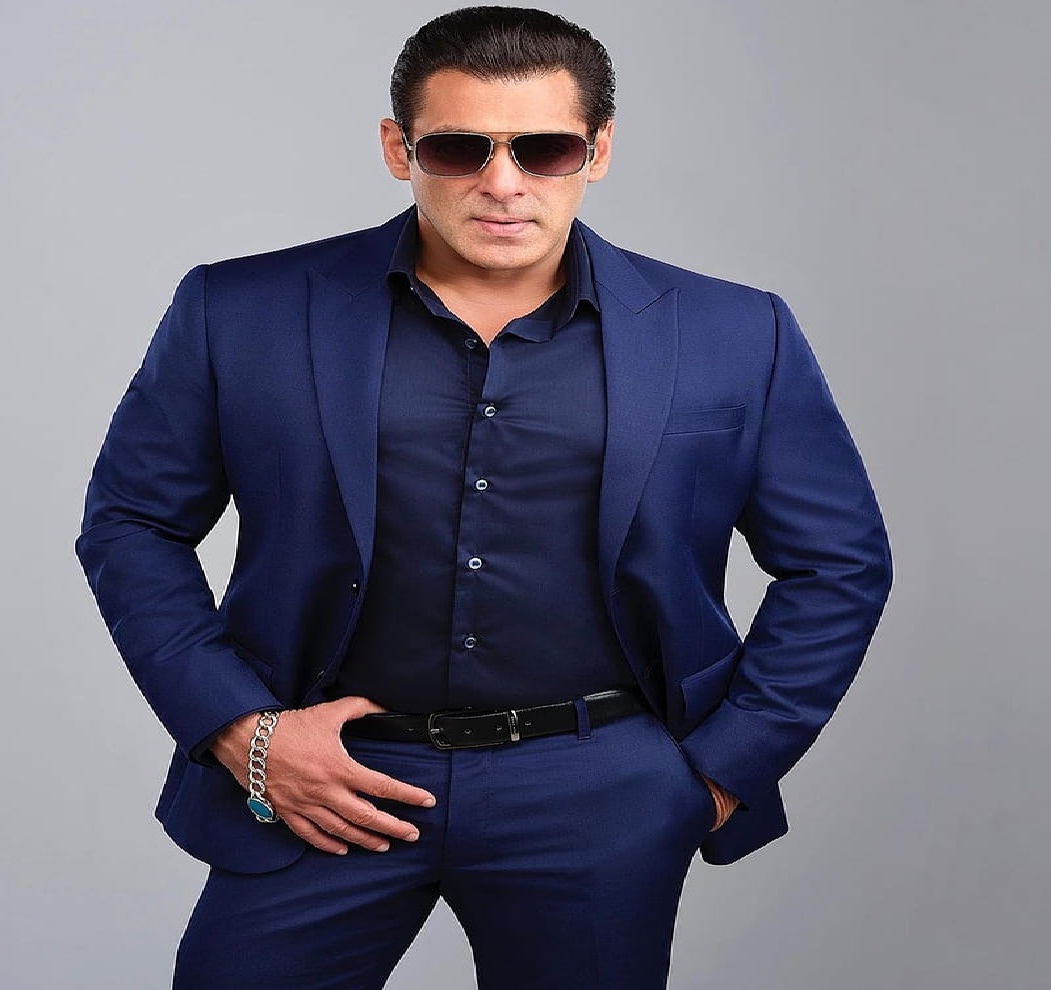
At times, he has addressed the topic playfully, pointing out that marriage first requires the right partner. At other moments, he has been practical, admitting that his demanding work schedule leaves little room for the time and patience a relationship deserves. He has openly said that even when he is home, he can be difficult to live with, a statement that reflects rare self-awareness.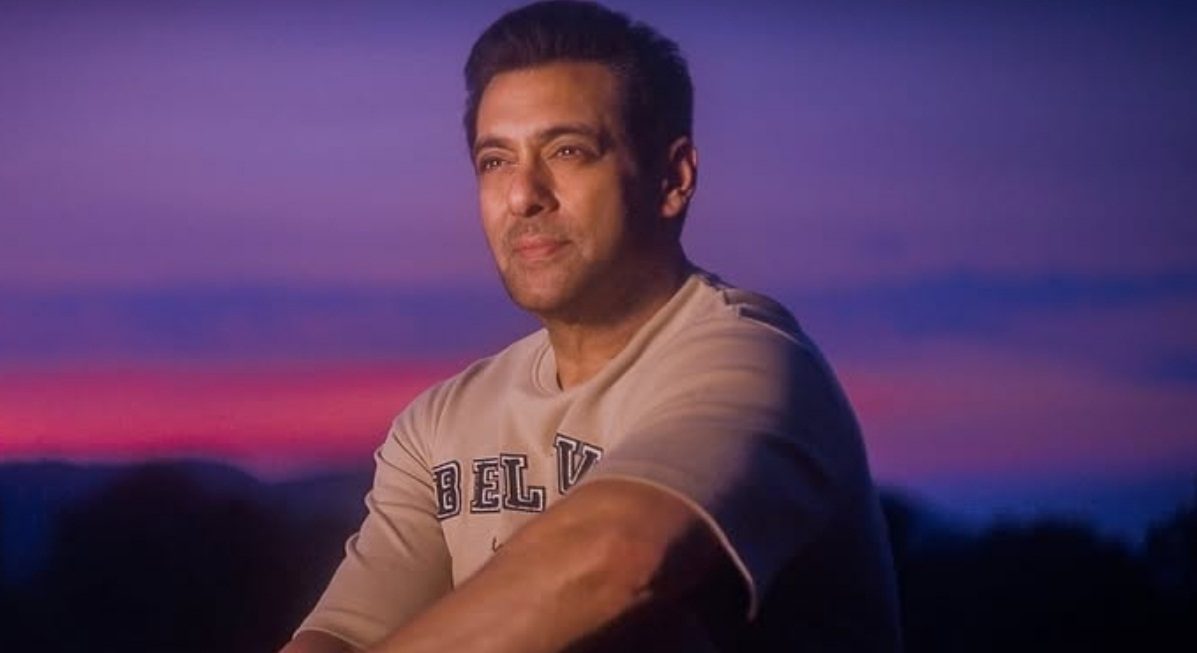
There have also been occasions when his tone turned philosophical. He shared that while he would welcome marriage if it happened, he had also made peace with the idea that it might not. In one particularly introspective moment, he spoke about a relationship that once mattered deeply but eventually faded. He chose to let the person go, believing that holding on would only bring unhappiness and guilt. This acceptance marked a mature understanding of love and freedom.
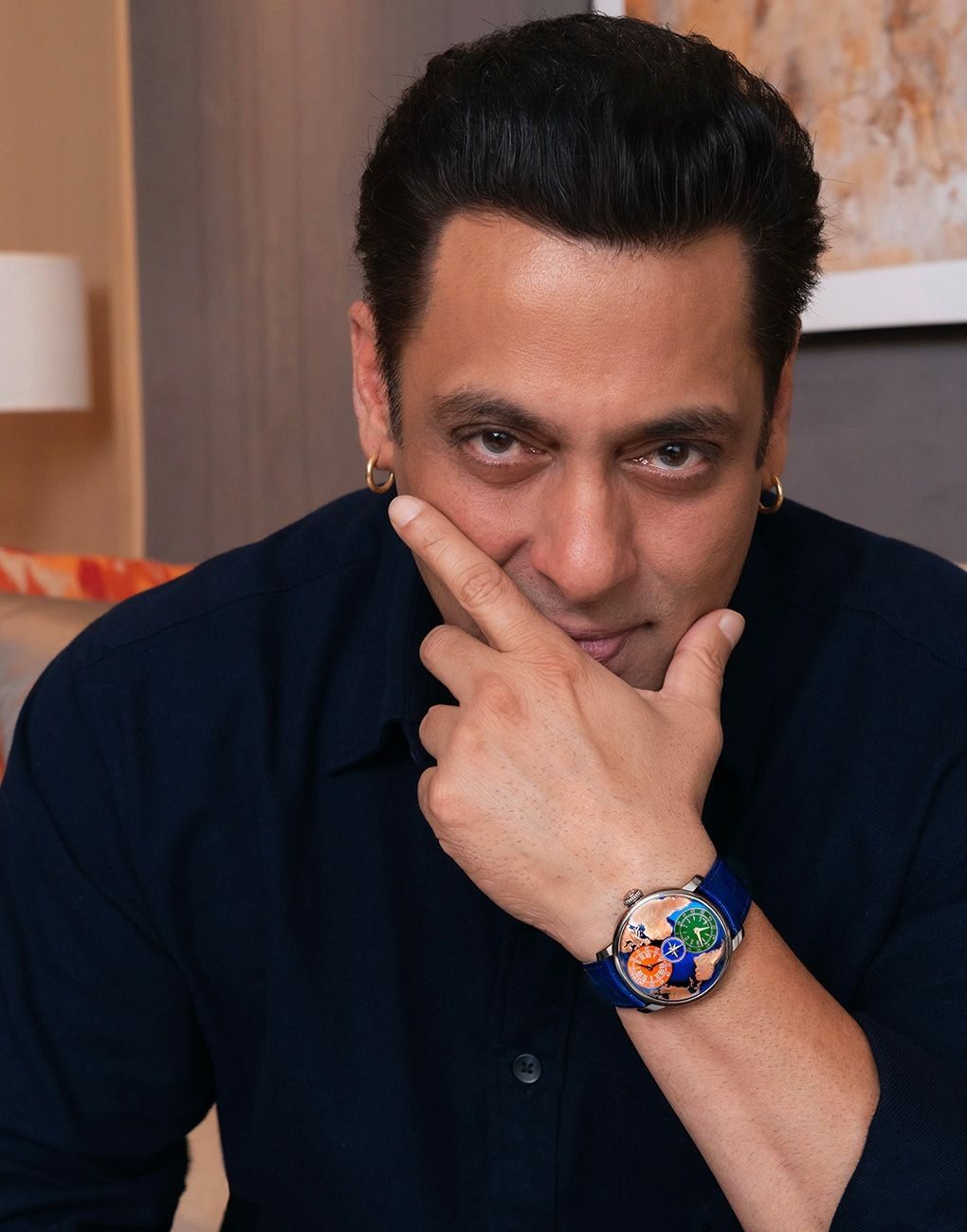
When conversations shifted toward the idea of having children, Salman remained non-committal, responding with his trademark calm that such things happen when the time is right. His humour often softened these moments, turning potentially intrusive questions into laughter-filled exchanges.
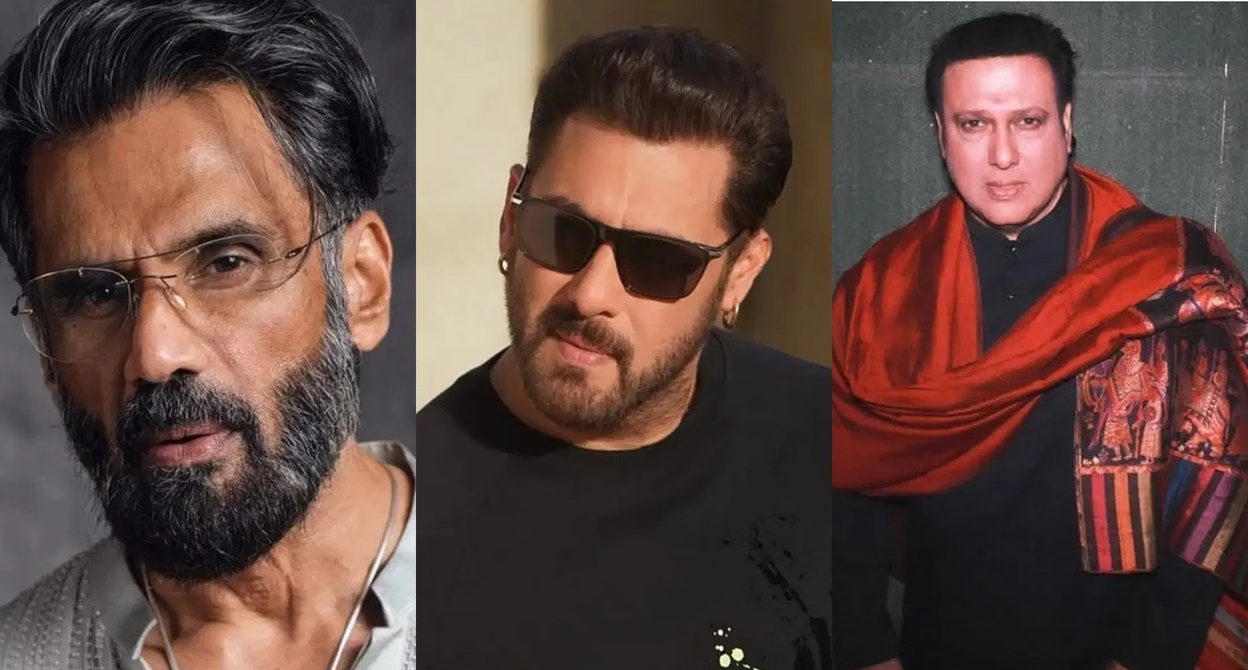
Despite remaining unmarried, Salman Khan is known for his caring nature, especially toward those close to him. Colleagues and co-stars have often spoken about his support during difficult times. From being just a phone call away during the pandemic to offering comfort even after long gaps in contact, his presence has been steady and reassuring.

What truly sets him apart is his bond with children. Around kids, his tough exterior melts away. He becomes playful, patient, and deeply affectionate. Instances of him dancing with differently abled children or quietly comforting a restless child during an interview reveal a side rarely associated with his larger-than-life image. He remains unruffled by chaos, smiling through pulled hair, interruptions, and spontaneous affection.
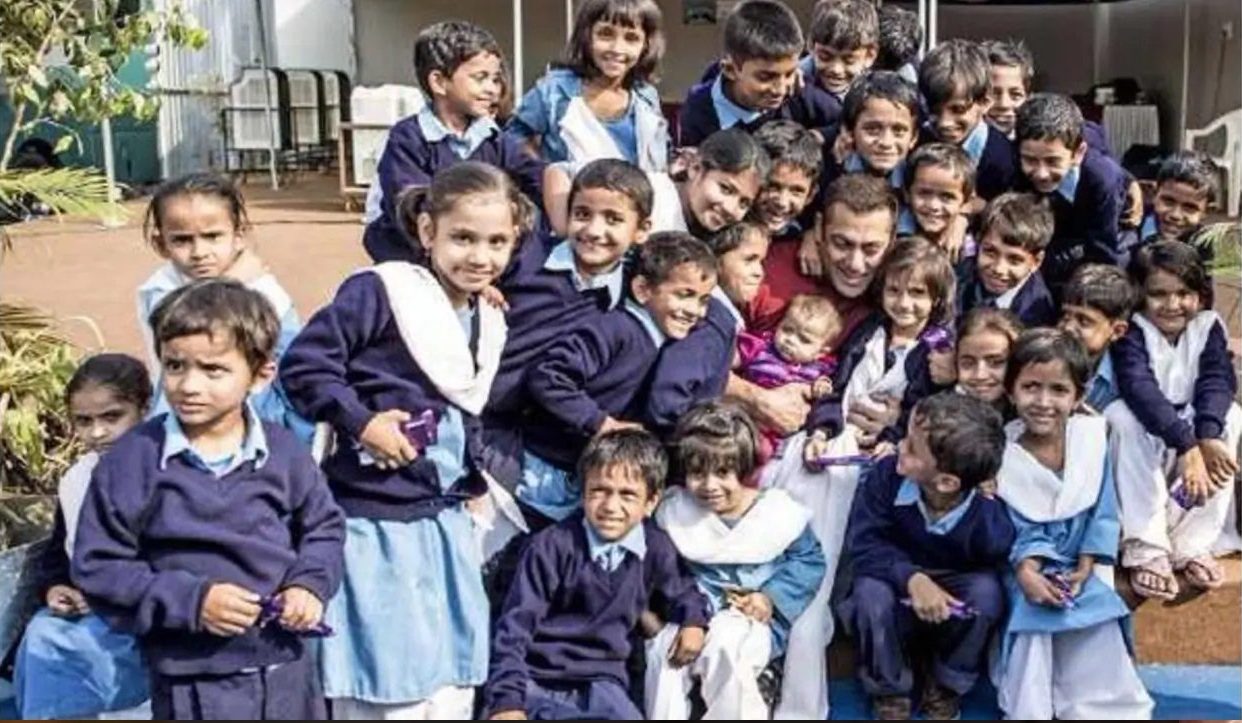
Those who have observed him closely often say that his ease with children comes from the fact that he still carries a childlike spirit himself. Mischievous, curious, and impulsive, he navigates life with a blend of innocence and experience. This quality perhaps explains why many around him feel protected and at ease despite his intimidating stardom.
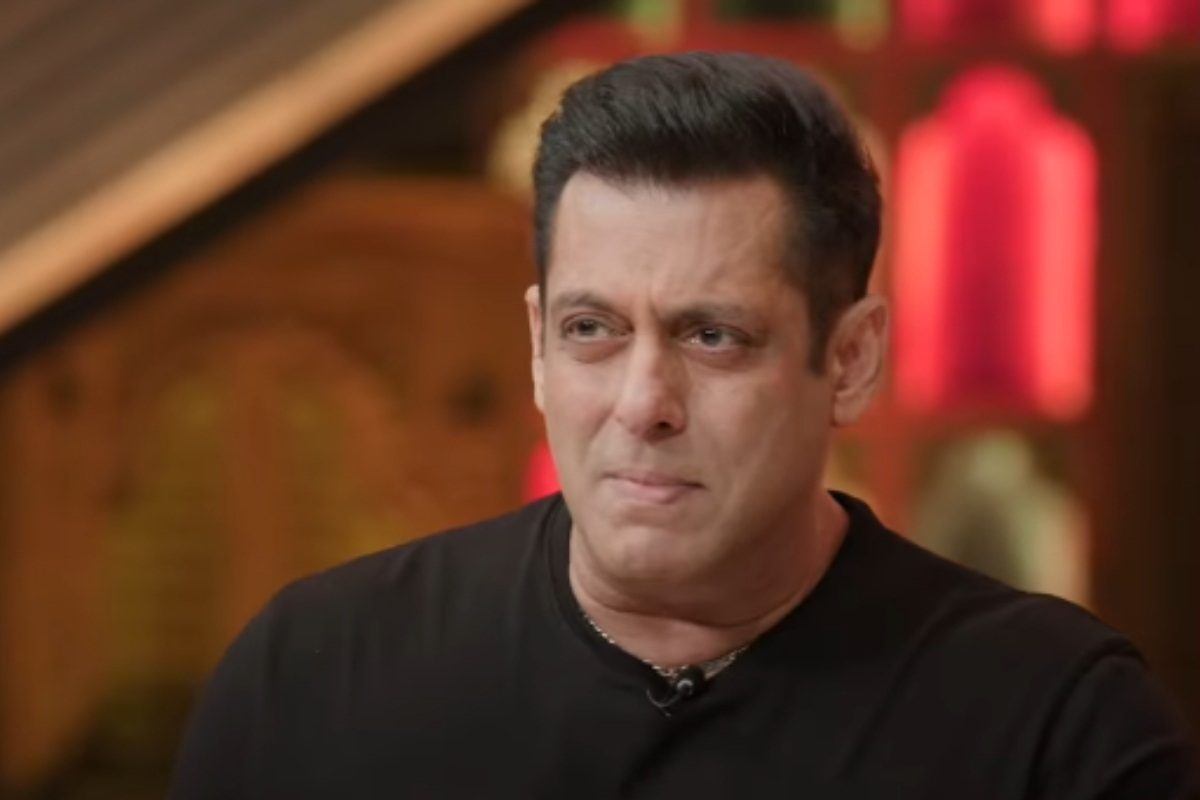
Salman Khan has also faced serious health challenges, living for years with severe pain caused by Trigeminal Neuralgia. Yet, even in the face of life-threatening surgery, he maintained his humour and resilience, emerging stronger and returning to the screen with renewed energy.
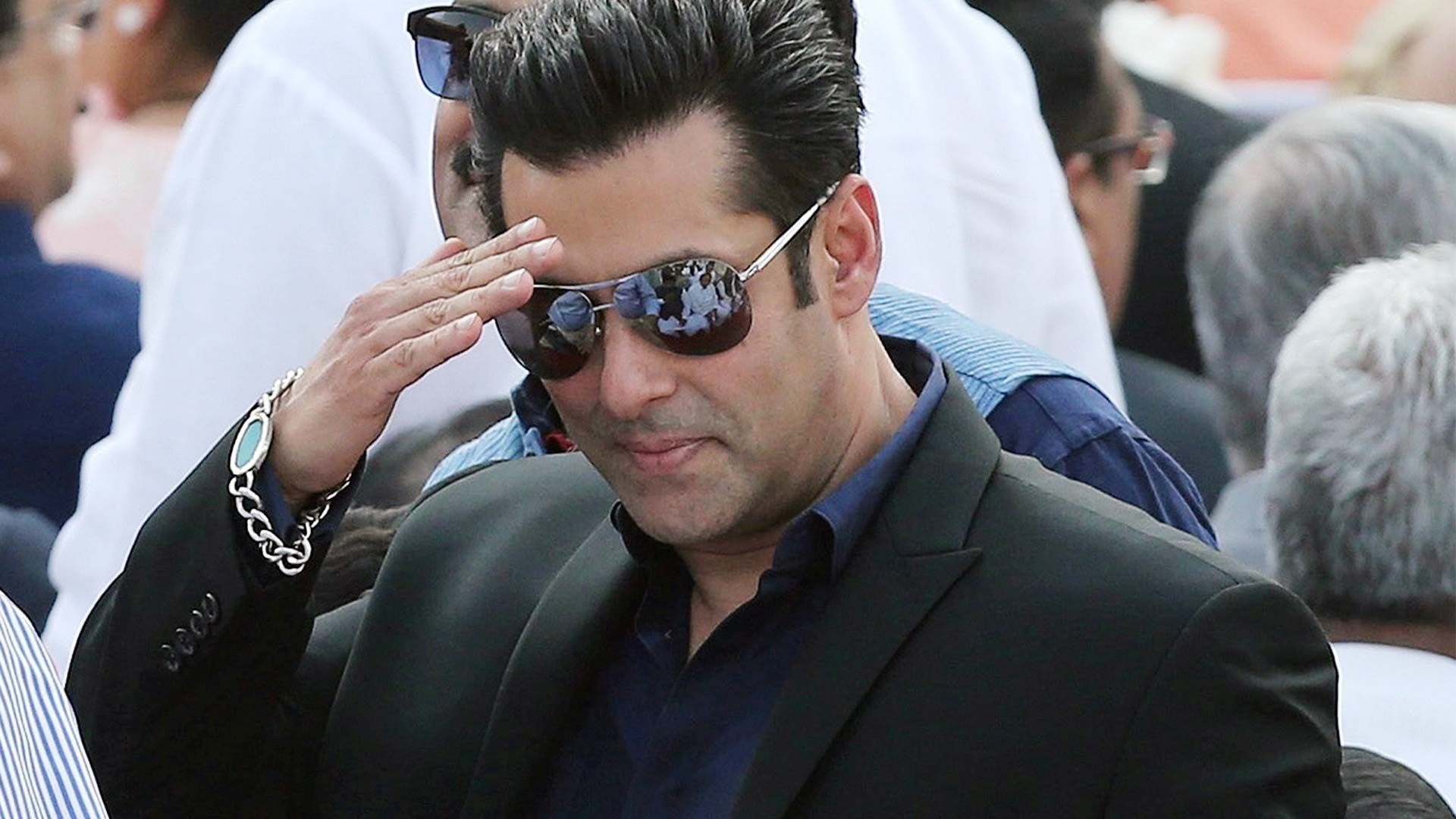 At sixty, Salman Khan continues to surprise. He remains single, yet emotionally rich, guarded yet generous, intense yet gentle. Whether marriage eventually finds him or not, his life reflects connection, compassion, and a deep understanding of human relationships, proving that commitment can exist in many forms beyond tradition.
The post Salman Khan on Love Marriage and the Child Within a Portrait of Bollywood’s Eternal Bachelor appeared first on The Edge Media.
]]>The post Dhurandhar Review: When a Spy Thriller Slips into Deep State Propaganda appeared first on The Edge Media.
]]>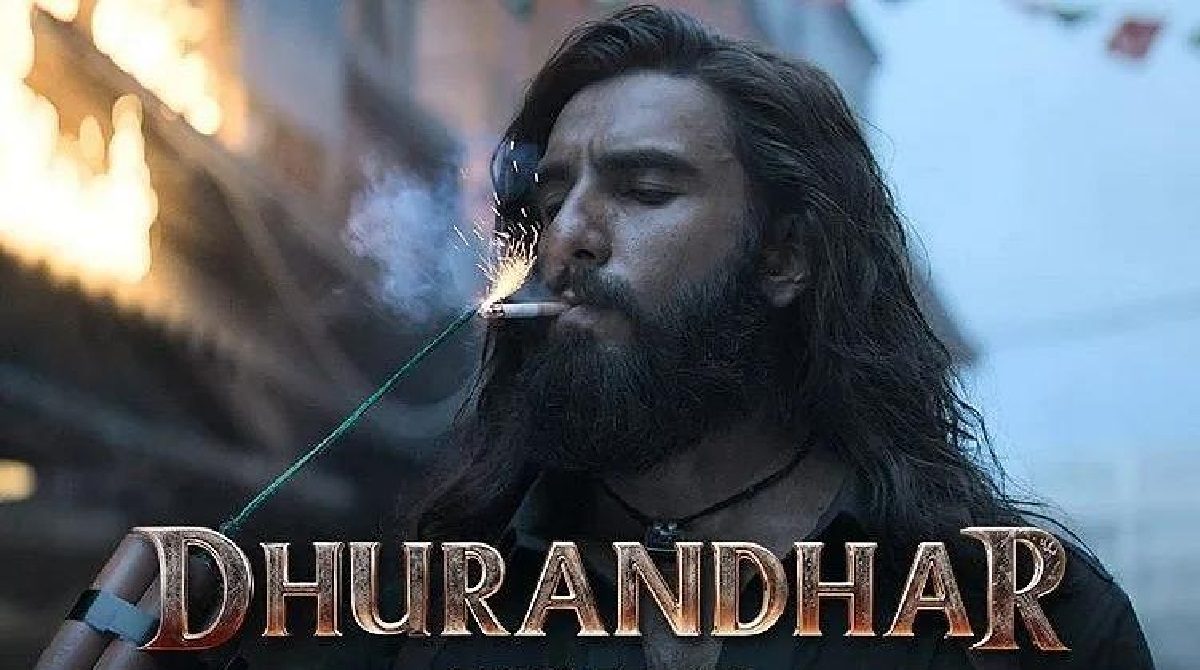
A closer viewing of Dhurandhar reveals multiple glaring inaccuracies and narrative gaps. Given Dhar’s reputation for rigorous research, these lapses raise an uncomfortable question: were they oversights, or were they ignored because historical accuracy was never the film’s real objective?
read also: Akshaye Khanna’s ‘Dhurandhar’ Revives the Chilling Legacy of Lyari Dreaded Don Rehman Dakait
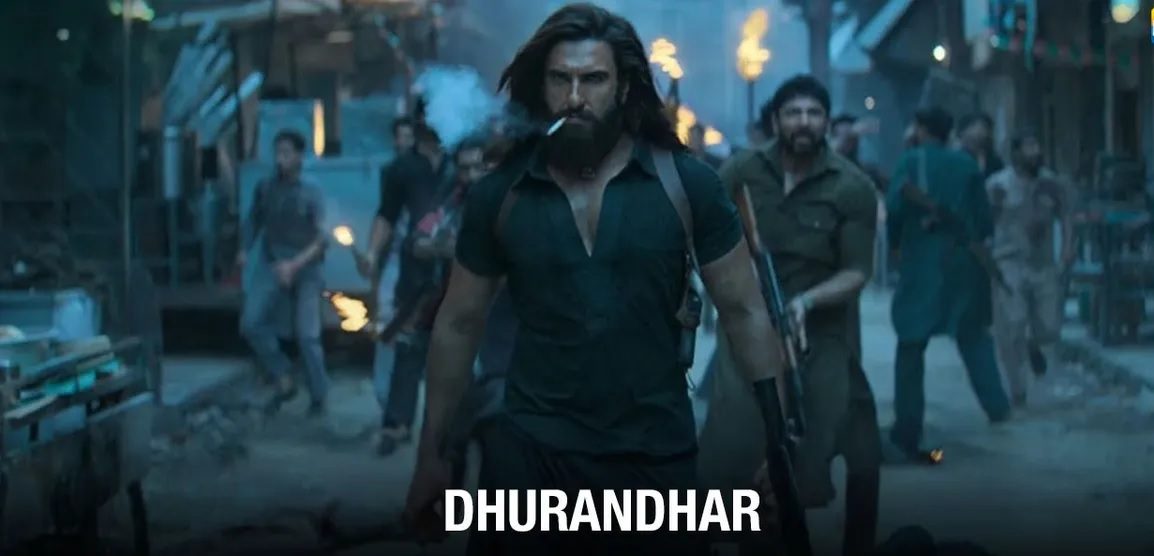
On the surface, Dhurandhar claims to tell the story of an Indian spy, played by Ranveer Singh, who infiltrates Karachi’s criminal underworld to neutralise threats to national security. In reality, the film unfolds as a thinly disguised ideological narrative that champions an all-powerful intelligence establishment while systematically devaluing democratic institutions. What could have been a grounded espionage drama instead resembles propaganda that normalises the idea of a deep state running the country.
The issues surface from the opening sequence itself. The film begins with visuals of blindfolded passengers aboard the hijacked Air India IC 814 at Kandahar. This depiction is historically inaccurate. During the 1999 hijacking, most women and children were released in Dubai before the aircraft flew on to Kandahar, barring a few exceptions among the crew and passengers. When filmmakers recreate real events, fidelity to facts is not optional, it is a moral responsibility.
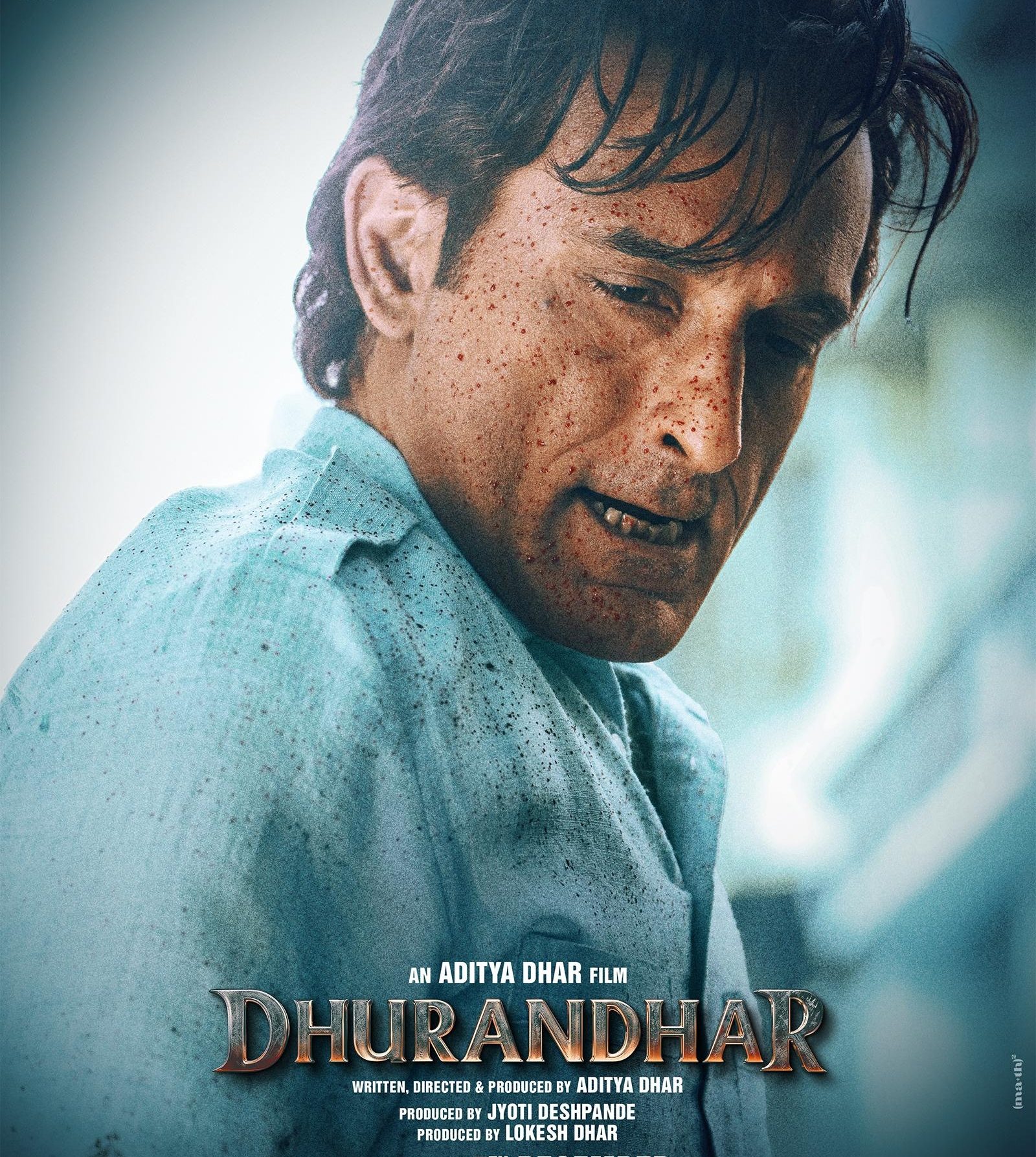
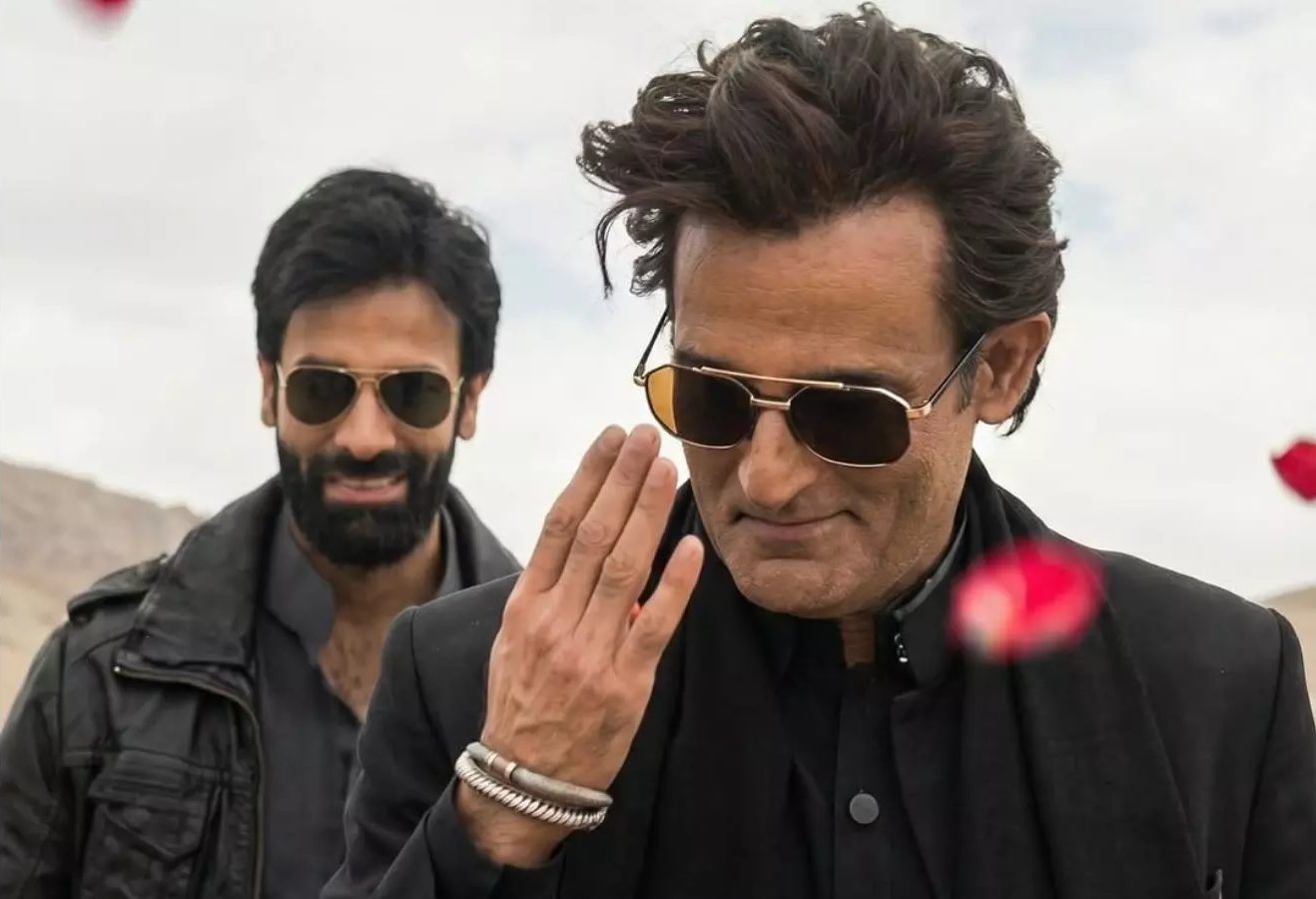
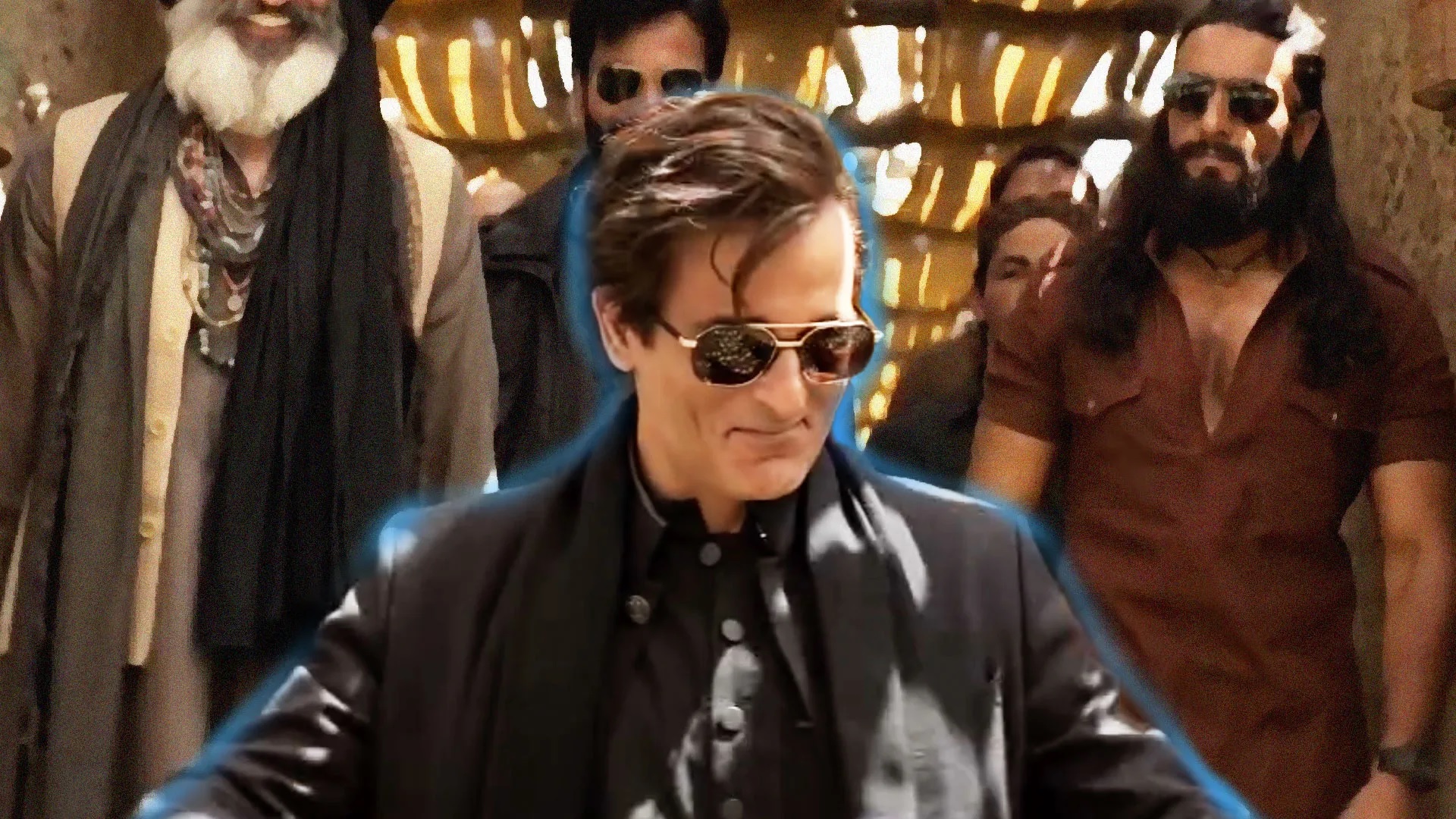
As the narrative progresses, Dhurandhar shifts focus from national security to the worldview of Ajay Sanyal, a powerful intelligence officer portrayed by R Madhavan. Sanyal is projected as the ultimate arbiter of patriotism, morality, and national interest. His decisions override elected governments, democratic processes, and institutional checks, positioning him above constitutional authority.
The film’s political bias is explicit. The Congress-led United Progressive Alliance governments of 2004 and 2009 are portrayed as weak, compromised, and undeserving of intelligence cooperation. National interest, as defined by the intelligence officer, is shown to supersede the mandate granted by the people. This premise directly contradicts the foundations of India’s constitutional democracy, where sovereignty rests with citizens, not unelected agencies.
When cinema glorifies an intelligence official who withholds information, manipulates outcomes, and waits for a government of his preference to assume power, it crosses the boundary between fiction and indoctrination.
Although Dhurandhar carries a disclaimer claiming all characters and events are fictional, it simultaneously uses real footage of the 26/11 Mumbai terror attacks. Selectively invoking real tragedies to lend credibility to a fictional narrative is not artistic liberty; it is narrative manipulation.
The film’s core message becomes unmistakable: an India governed by an invisible deep state, where unelected officials decide when democracy is “fit” to function. That sections of the audience have applauded this idea should be deeply unsettling.
The film’s hostility towards the Congress-led UPA is not merely political, it appears punitive. Ajay Sanyal openly expresses a desire for a future ruler who would curb fake currency circulation and crack down on abattoirs. In doing so, the film retrospectively legitimises demonetisation and beef bans imposed by BJP-ruled states, framing them as overdue acts of national purification. The controversial “Pink Revolution” narrative, often invoked during the 2014 election campaign, finds ideological reinforcement here.
The distortion intensifies in the depiction of the 26/11 attacks. The film entirely omits the role of Abu Jundal, also known as Syed Zabiuddin Ansari, who operated from a control room in Karachi and directed the terrorists in Mumbai. It also ignores the fact that the UPA government identified, tracked, and extradited Jundal from Saudi Arabia — one of India’s most significant counter-terrorism successes. Jundal remains imprisoned in India today, but acknowledging this achievement would have disrupted the film’s portrayal of an incompetent UPA government.
The narrative around fake currency sinks further into conjecture. Dhurandhar implies that an opposition minister and his son deliberately facilitated the circulation of counterfeit currency from Pakistan. Such claims verge on defamatory fiction. While the individuals were later arrested on unrelated charges, no case regarding fake currency was ever proven or even seriously pursued. If the allegations were credible, legal evidence would have followed.
Ironically, scrutiny eventually fell on the then finance secretary, against whom a CBI case was filed without any substantive conclusion so far, reportedly after his association with the Bharat Jodo Yatra. This selective framing once again underscores the film’s ideological slant.
Ultimately, Dhurandhar is not just a flawed spy film; it is a cinematic manifesto. It glorifies authoritarian impulses, delegitimises democratic authority, and advances the notion that unelected power brokers know what is best for the nation. In doing so, it dangerously blurs the line between patriotism and propaganda.
Cinema wields immense influence over public consciousness. When that power is used to normalise the idea of a “State within a State,” it is more than poor filmmaking. It is a warning sign.
The post Dhurandhar Review: When a Spy Thriller Slips into Deep State Propaganda appeared first on The Edge Media.
]]>The post Tamannaah Bhatia to Portray Jayashree in V Shantaram Biopic, Starring Siddhant Chaturvedi appeared first on The Edge Media.
]]>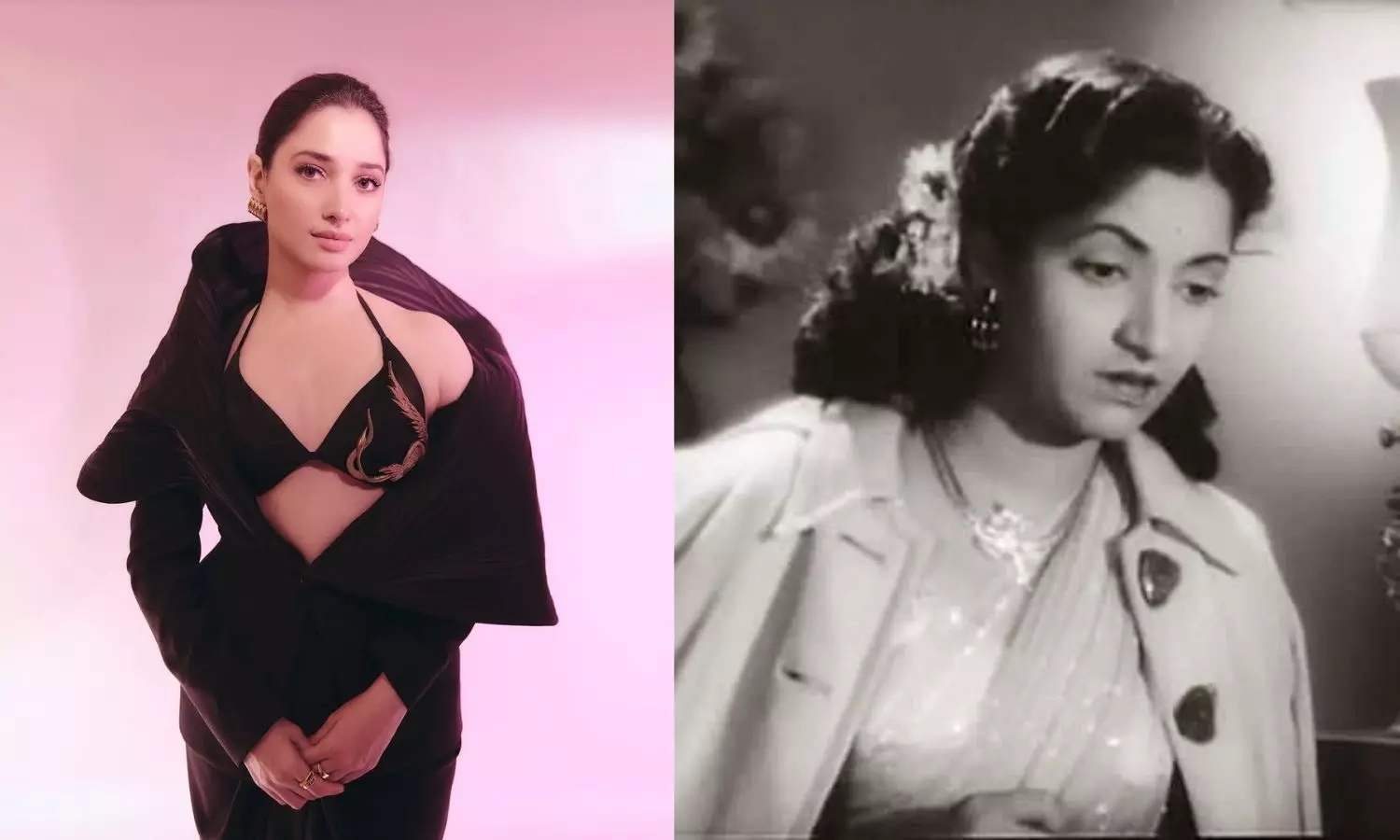
On Tuesday, the film’s makers unveiled a poster showcasing Tamannaah’s look as Jayashree, draped in a traditional pink Nauvari saree, which perfectly captures the elegance of the actress, renowned for her roles in classic films such as Dr Kotnis Ki Amar Kahani, Shakuntala, Chandra Rao More, and Dahej. Jayashree was also V Shantaram’s second wife, and her legacy in Indian cinema is deeply intertwined with his.
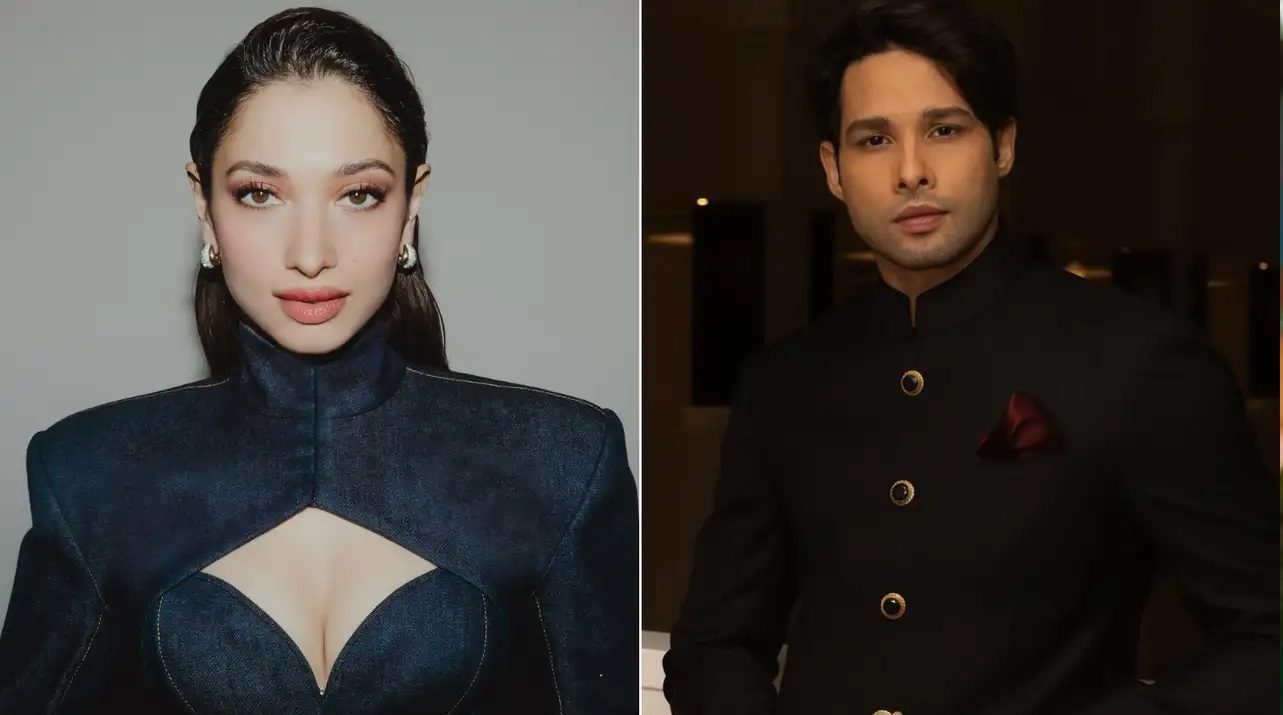
“V Shantaram” is a historical drama that honors the life and career of the director who revolutionized Indian cinema, tracing his evolution from the silent film era to his position as a cinematic pioneer.
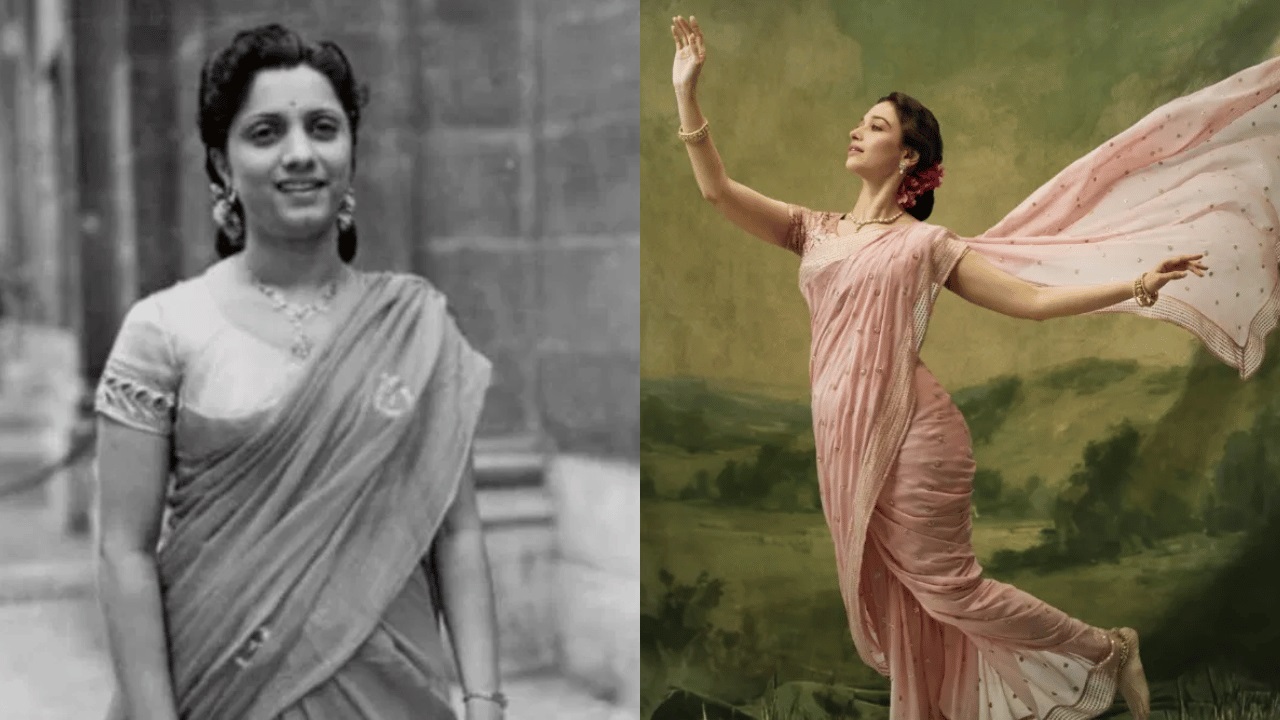
The film delves into Shantaram’s significant impact on Indian filmmaking and his role in shaping modern cinema.
Speaking about her role, Tamannaah expressed her excitement and pride in portraying such an important character: “It’s a great responsibility to portray a character rooted in one of the most influential eras of our cinema. I feel immensely honored to bring Jayashree to life, as she has been part of such legendary projects, and the grace she had was surreal. Shantaram built a legacy that continues to shape generations, and decoding his universe has allowed me to witness the brilliance of the man behind the legend. Bringing a piece of that legacy to the screen is truly a special feeling, and I am thankful for the makers of V Shantaram to see me as Jayashree.”

Earlier, the film’s makers revealed that Siddhant Chaturvedi will star as V Shantaram, marking a major milestone in his career.
Produced by Rahul Kiran Shantaram, Subhash Kale, and Sarita Ashwin Varde, the film is presented by Rajkamal Entertainment, Camera Take Films, and Roaring Rivers Production. Directed by Abhijeet Shirish Despande, V Shantaram promises to be a cinematic tribute to one of the most visionary filmmakers in India’s history.
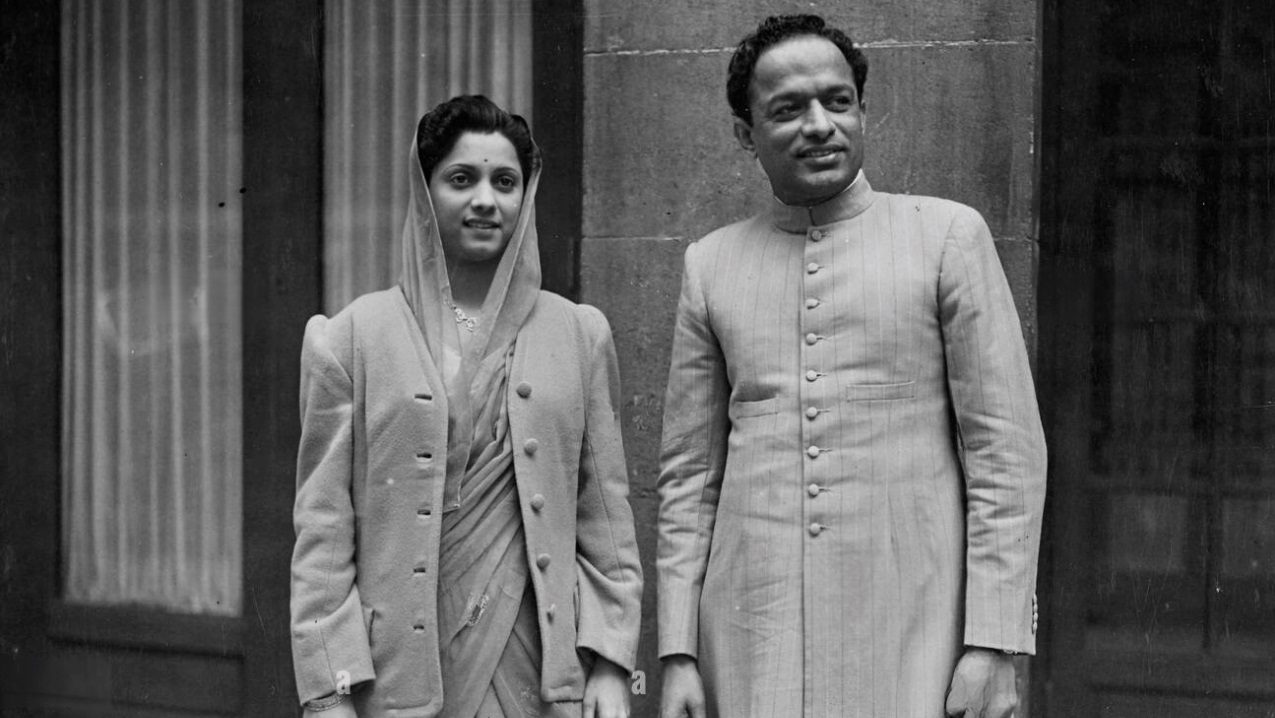
V Shantaram, born Shantaram Rajaram Vankudre in 1901, was a pioneering filmmaker whose career spanned over seven decades. He founded two major film studios—Prabhat Film Company in 1929 and Rajkamal Kalamandir in 1942—and directed the first Marathi-language talkie, Ayodhyecha Raja (1932). His films, such as Duniya Na Mane (1937), Do Aankhen Barah Haath (1957), Jhanak Jhanak Payal Baaje (1955), and Navrang (1959), were not only known for their technical innovations but also for their progressive themes on social issues like communal harmony, dowry, and prisoner rehabilitation.
V Shantaram was renowned for his lavish sets, unique song picturizations, and use of visual symbolism, employing cinema as a medium for social change. His contributions to the film industry were recognized with the prestigious Dadasaheb Phalke Award in 1985, cementing his place as a true legend in Indian cinema.
The post Tamannaah Bhatia to Portray Jayashree in V Shantaram Biopic, Starring Siddhant Chaturvedi appeared first on The Edge Media.
]]>The post Legendary Singer and Actress Sulakshana Pandit Passes Away at 71 appeared first on The Edge Media.
]]>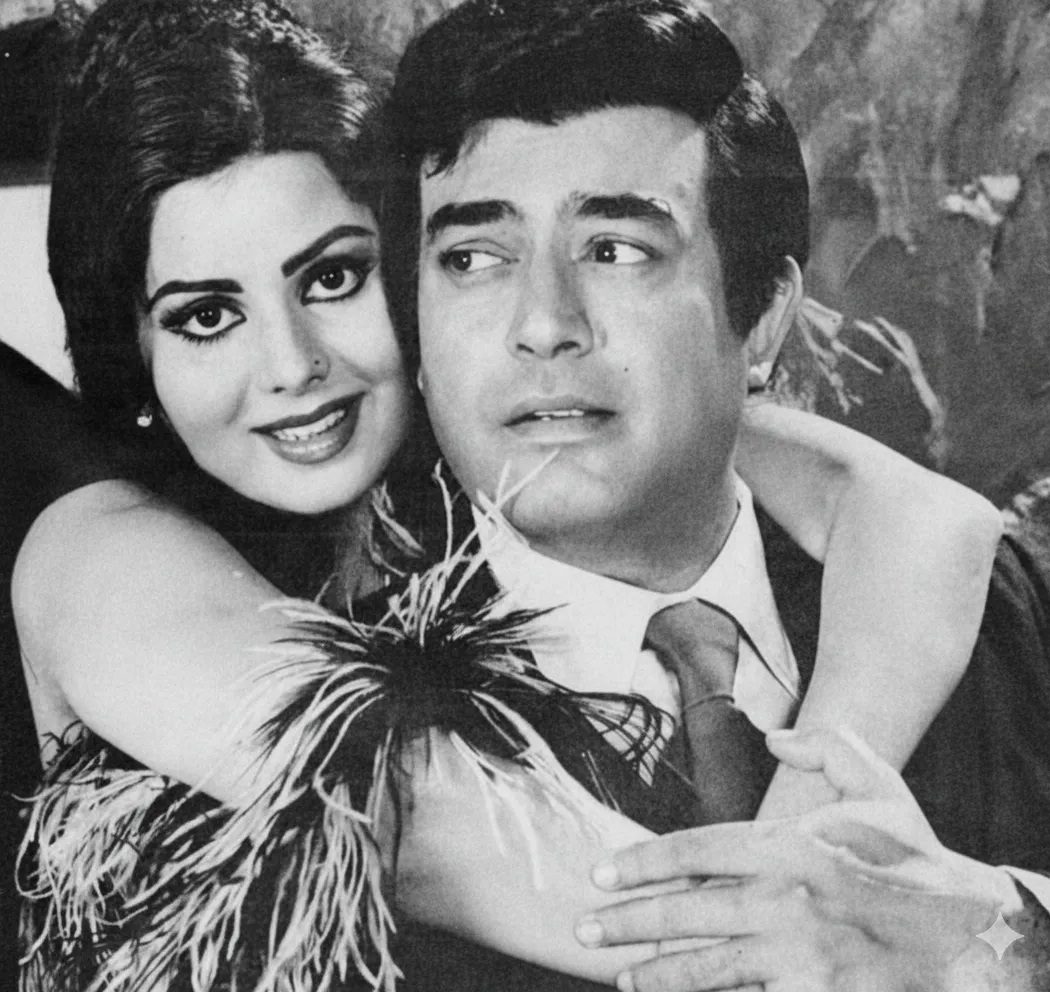
She is fondly remembered for classics such as Bekrar Dil Tu Gaye Ja and Somwar Ko Hum Mile Mangalwar Ko Nain alongside Kishore Kumar. Her duet Pardesiya Tere Desh Mein with Mohammed Rafi also became a favorite among music lovers. Together they created several timeless tracks including Sona Re Tujhe Kaise Miloon, Yeh Pyara Lage Tera Chehra, Jab Aati Hogi Yaad Meri, and Yeh Pyar Kiya Hai. One of her most cherished performances remains her duet Saat Samundar Paar with Lata Mangeshkar.
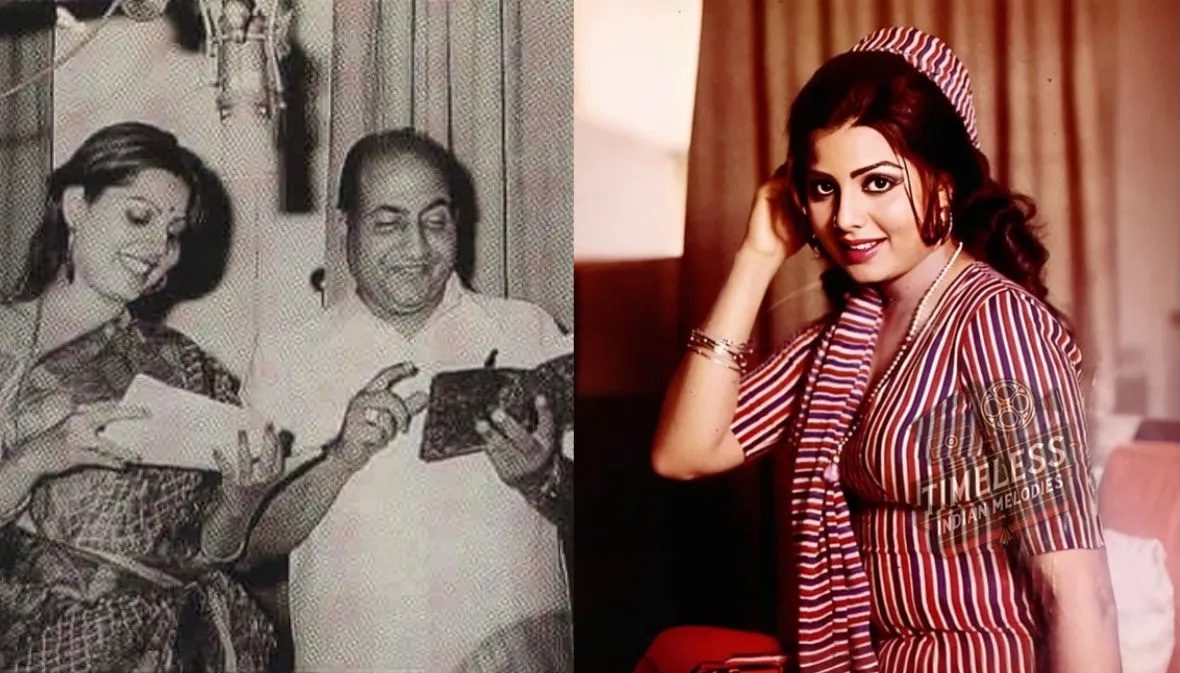
In 1976 Sulakshana Pandit earned the prestigious Filmfare Award for her soulful rendition of Tu Hi Sagar Tu Hi Kinara from the film Sankalp. She made her acting debut in 1975 with Uljhan opposite Sanjeev Kumar and the two shared a close and warm friendship during filming. Interestingly, her passing coincides with the fortieth death anniversary of Sanjeev Kumar which fell on November sixth.
Throughout her career, Sulakshana appeared in several notable films including Hera Pheri (1976), Dharam Kanta (1982), Do Waqt Ki Roti (1988), and Goraa (1987). Her contribution to Indian cinema as both a singer and actress remains unforgettable and her legacy continues to inspire generations of artists.
The post Legendary Singer and Actress Sulakshana Pandit Passes Away at 71 appeared first on The Edge Media.
]]>The post Director Aditya Sarpotdar Talks Thamma and the Future of the Maddock Horror Comedy Universe appeared first on The Edge Media.
]]> Success of Thamma and Future Plans for the MHCU
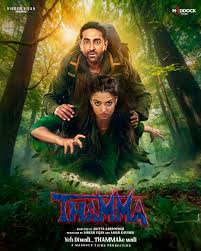
When asked about the reception of Thamma, Sarpotdar expressed immense satisfaction, noting the hard work that went into the film and how it resonated with audiences. He emphasized the film’s goal of creating a communal experience in theaters, especially for families during Diwali. He added that the broad appeal of the movie—entertaining kids, adults, and all age groups—was heartwarming.
Sarpotdar highlighted the unique blend of genres in Thamma, combining horror, comedy, and romance. He shared how the challenge lay in maintaining a balance between these themes, but the focus was always on crafting a heartfelt romance at the core of the film. “It was a romantic film first,” Sarpotdar explained.
“The story revolves around the relationship between the lead characters. Beyond that, it had to have elements of comedy and thrill because we were working within the horror-comedy universe.”
Building the Universe: Challenges and Creative Decisions
For Sarpotdar, one of the most exciting aspects of Thamma was how it fit into the broader MHCU. While previous films, including Stree 2, featured cameos that hinted at a shared universe, Thamma marks a more direct connection, building on elements from other films.
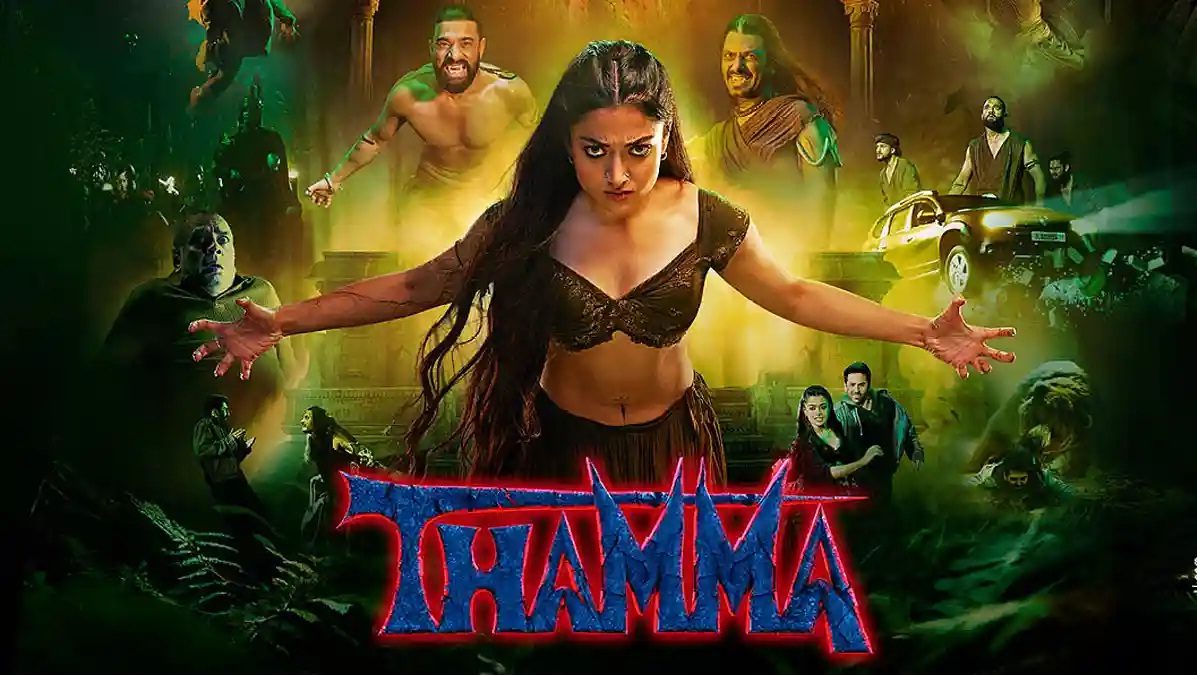
“The most challenging part was integrating multiple storylines from different movies into this one,” Sarpotdar admitted.
“We always knew we wanted to push the universe forward, and *Thamma* really brought it all together.”
From Munjya to Thamma: The Journey
Sarpotdar revealed that Thamma was always intended to be part of his directorial journey. After Munjya, his first hit in the MHCU, Sarpotdar was approached by his producer with the idea of exploring a vampire-themed film. The project initially began as a small concept, but as the success of Munjya and Stree 2 gave the team confidence, the film evolved into a larger narrative tied to the MHCU.
“Initially, it was just a standalone film, but as we developed it, we realized the potential to connect it with Bhediya and other characters in the universe. That’s when things started to get really interesting,” he said.
A Name Change and the Power of Numerology
The film’s title underwent several changes before settling on Thamma. Initially announced as Vampires of Vijaynagar, the title was later changed to Thama and finally to Thamma with a double “M”. Sarpotdar clarified that this decision was driven by the producer’s belief in numerology, a factor that also influenced the name of the production company, Maddock, with its double “D”.
Reimagining Vampires for an Indian Audience
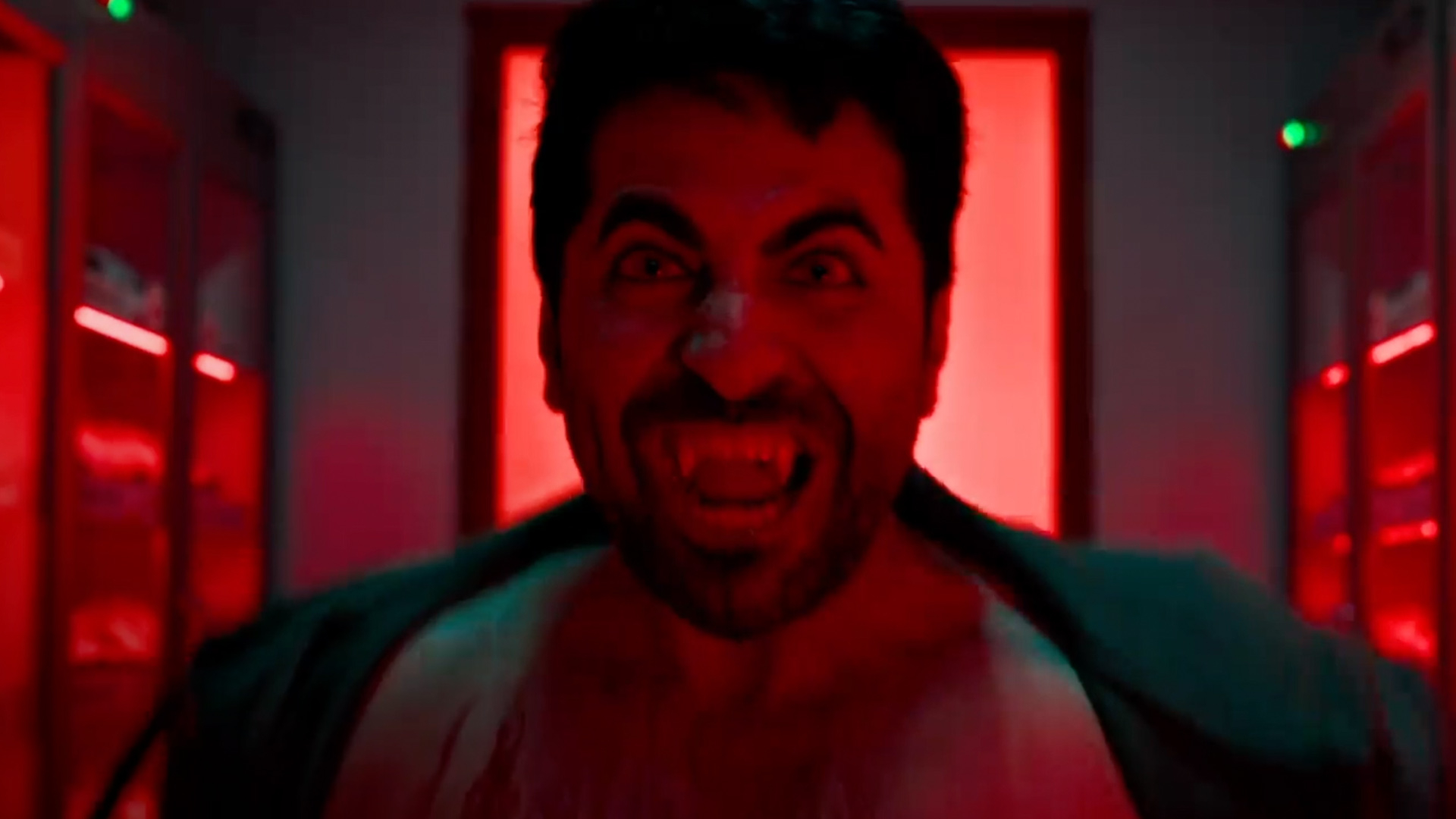
When discussing the creative process behind Thamma, Sarpotdar compared the film’s vampires to the typical Western interpretations of the myth. He explained how the film took inspiration from Indian folklore, particularly the concept of the Betaal, a blood-sucking entity from Eastern Indian mythology. Unlike Western vampires, who are tied to cold, dark environments, the Betaal concept was more suited to India’s tropical climate.
“In Zombivli, we made zombies more relatable to the Indian audience by setting the outbreak in a local, familiar environment. Similarly, in Thamma, we drew inspiration from the Betaal rather than the traditional vampire,” Sarpotdar said.
“The Betaal concept is much more aligned with Indian mythology, and it allowed us to create something unique while still keeping the essence of a vampire-like figure.”
Coincidence with Malayalam Film Lokah?
Sarpotdar was asked about the thematic similarities between Thamma and the Malayalam film Lokah, which also features vampire-like characters. He dismissed any notion of copying, explaining that while both films dealt with similar supernatural beings, they were distinct in style and genre.
“Yes, both films feature vampire-like creatures, but Thamma leans more into Indian mythology with the Betaal concept, while Lokah sticks more to traditional Western vampire tropes. It’s purely a coincidence that two films with similar themes came out so close to each other,” Sarpotdar stated. “Our film is a family-oriented comedy, while *Lokah* is a superhero, drama-centric film, so they cater to very different audiences.”
Conclusion
With Thamma continuing to captivate audiences, Aditya Sarpotdar remains committed to pushing the boundaries of the Maddock Horror Comedy Universe. As the franchise continues to grow, Sarpotdar’s innovative take on blending Indian mythology with horror-comedy promises even more exciting developments in the future.
The post Director Aditya Sarpotdar Talks Thamma and the Future of the Maddock Horror Comedy Universe appeared first on The Edge Media.
]]>The post Veteran Actor Satish Shah Passes Away at 74 appeared first on The Edge Media.
]]>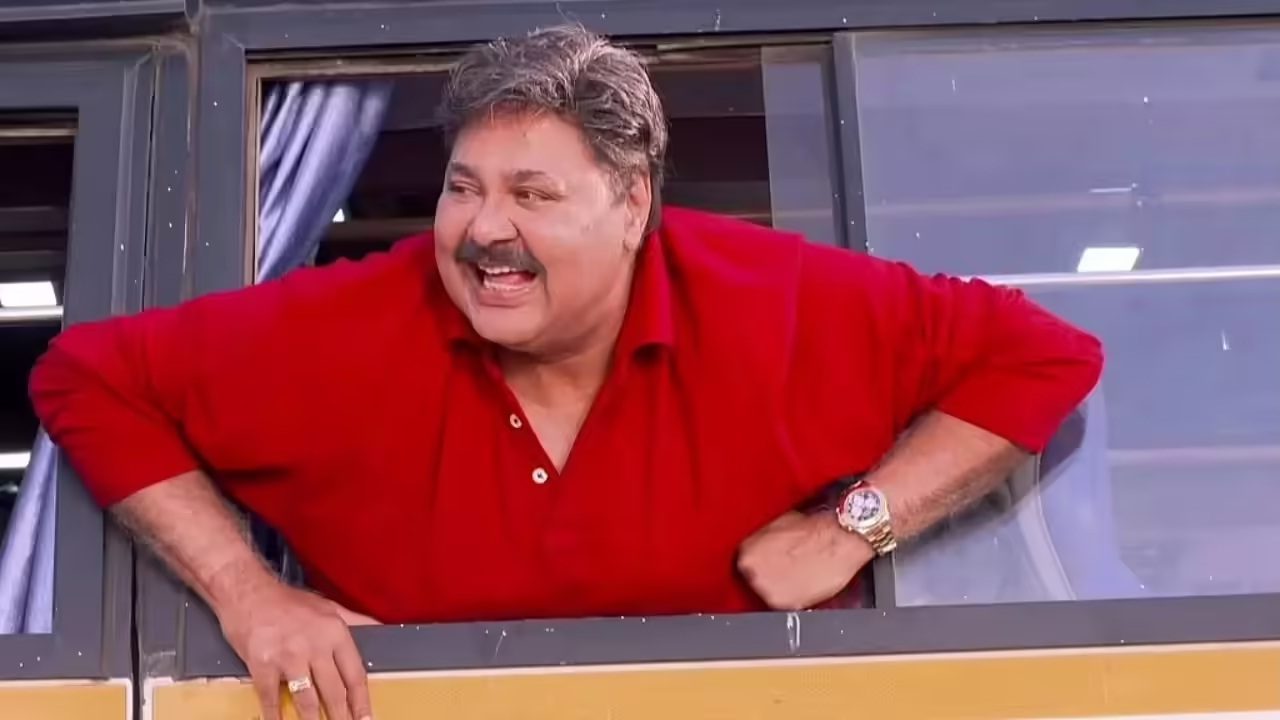
Industry colleagues and friends, including filmmaker Ashoke Pandit, expressed their shock and sorrow, remembering Shah as a jovial and much-loved figure in the entertainment world. Pandit described his passing as a “huge loss” for the industry.
Born on June 25, 1951, Shah was a key figure in Indian cinema and television, with a career that spanned decades. He made his mark with his impeccable comedic timing in iconic films such as Jaane Bhi Do Yaaro, Maalamaal Hero Hiralal, Main Hoon Na, and Kal Ho Naa Ho.
A graduate of the prestigious Film and Television Institute of India (FTII), Shah initially appeared in smaller roles in films like Arvind Desai Ki Ajeeb Dastaan (1978) and Gaman (1979), before rising to prominence. His career truly took off after his role as the corrupt Municipal Commissioner D’Mello in the 1983 cult classic Jaane Bhi Do Yaaro, which became a landmark in satirical comedy.
Shah was also a household name in television, starring in the iconic series Yeh Jo Hai Zindagi (1984), where he played 55 different characters across 55 episodes. His versatility was further showcased in Filmy Chakkar (1995), where he portrayed Prakash.
In the early 2000s, Shah became a fan favorite for his portrayal of Indravadan Sarabhai in the beloved sitcom Sarabhai vs Sarabhai, where he starred alongside Ratna Pathak Shah, Rupali Ganguli, Sumeet Raghavan, and Rajesh Kumar. The series, known for its witty humor, gained a dedicated following, even returning for a brief second season in 2017.
Shah also featured in several Bollywood blockbusters, including Kabhi Haan Kabhi Naa, Dilwale Dulhaniya Le Jayenge, Om Shanti Om, Fanaa, and Akele Hum Akele Tum.
He is survived by his wife, designer Madhu Shah.
Following the news of his passing, tributes poured in from across the film industry. Director Farah Khan, who worked with Shah on Main Hoon Na, shared an emotional tribute on Instagram: “Rest in peace dearest Satish. You were a joy to know and work with. I will miss you sending me memes and jokes every day.”
Karan Johar also paid tribute, sharing a photo of Shah on Instagram Stories with the caption, “Satish Shah, Om Shanti.”
The post Veteran Actor Satish Shah Passes Away at 74 appeared first on The Edge Media.
]]>The post “Santosh”: A Stark Portrait of Power, Prejudice, and a Woman’s Struggle in Uniform appeared first on The Edge Media.
]]>Set in a fictional town in northern India, Santosh confronts deep-rooted social issues—misogyny, caste bias, and religious intolerance—with unwavering honesty. The story follows Santosh (played with quiet intensity by Shahana Goswami), a widow who receives a job as a constable after her police officer husband dies in the line of duty.
Uncomfortable in her new role, Santosh wears her uniform awkwardly, her posture reflecting her uncertainty. In a male-dominated police station, female officers are marginalized and reduced to menial tasks. Santosh is expected to serve her superior officer’s domestic needs rather than engage in real police work.
Her world begins to unravel when a Dalit man pleads for help finding his missing daughter, Devika. Ignored by the male officers, his concerns are dismissed until the girl’s body is discovered. The community’s outrage and the media spotlight push the police into action. Santosh is reluctantly assigned to escort the body to the morgue—an act revealing the deep caste prejudices at play.
With a change in leadership, a senior female officer named Geeta (Sunita Rajwar) takes charge. Though hardened and brusque, Geeta encourages Santosh to investigate, even as the system continues to push back. A Muslim man is arrested, but as the investigation unfolds, Santosh begins to see the complexity of the injustices around her.
The film follows the structure of a crime drama but avoids the glamor often associated with the genre. Instead, it opts for a raw, almost documentary-like tone, thanks to Lennert Hillege’s cinematography. Even open landscapes feel oppressive, reflecting a society weighed down by cruelty and systemic corruption.
Suri refuses to sugarcoat the harsh realities. In this environment, Santosh’s gender places her at a constant disadvantage. Her journey reveals that survival often means compromising one’s values—or becoming complicit. Yet, her quiet resistance and evolving awareness make her a powerful symbol of resilience.
The strength of Santosh lies in its grounded screenplay and the authentic performances of Goswami and Rajwar. They fully inhabit their roles, embodying the silent courage required to navigate a world designed to break women down. Without theatrics or sentimentality, the film demands that viewers confront uncomfortable truths about power and prejudice in Indian society.
The post “Santosh”: A Stark Portrait of Power, Prejudice, and a Woman’s Struggle in Uniform appeared first on The Edge Media.
]]>