The post India Reaffirms Energy Security Priority Amid Claims on Russian Oil Purchases appeared first on The Edge Media.
]]>Addressing a press conference in New Delhi, MEA spokesperson Randhir Jaiswal said India’s energy decisions are firmly guided by national interest, particularly the need to ensure reliable and affordable energy for its population of 1.4 billion.
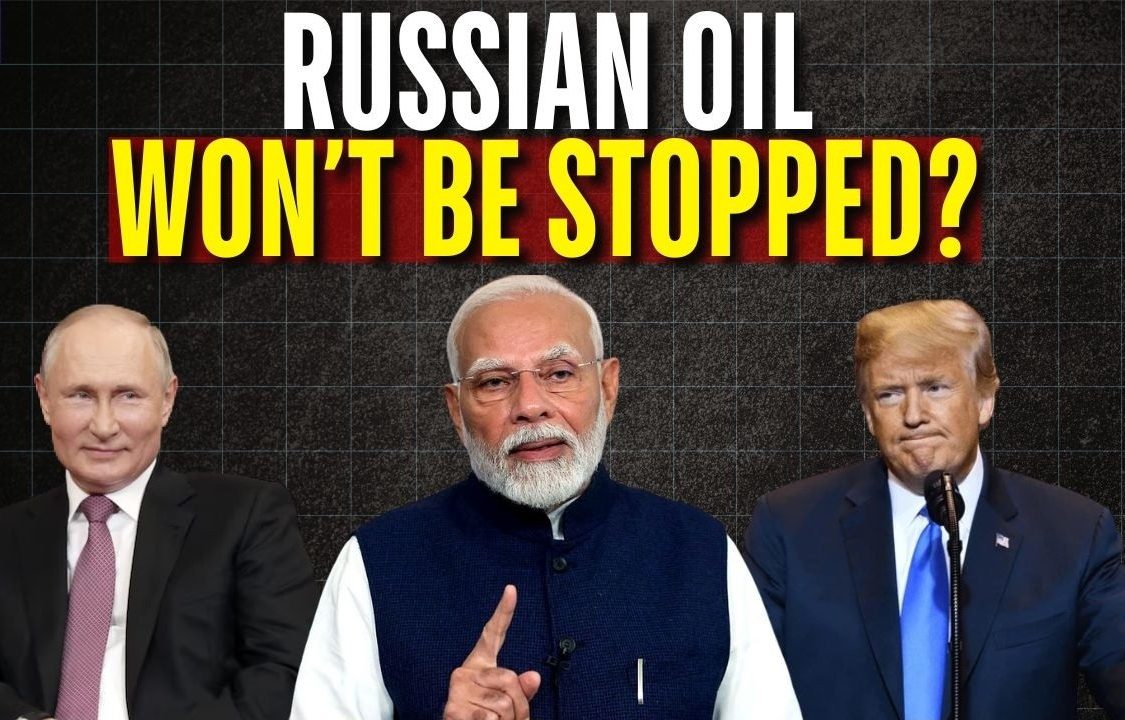
Jaiswal said the government has repeatedly stated that energy security is a supreme priority and added that India’s strategy focuses on diversifying its energy sources in line with objective market conditions and changing international realities. He emphasised that all decisions related to energy sourcing are taken with this principle in mind.
Trump made the remarks following the announcement of a bilateral trade agreement between India and the United States. In a social media post, he claimed that India had agreed to stop buying Russian oil and would instead increase purchases from the US and potentially Venezuela, linking the move to efforts to end the Russia Ukraine conflict.
While Prime Minister Narendra Modi later confirmed the trade agreement, no official statement was issued by the Indian government regarding any decision to discontinue Russian oil imports.
Responding to questions on Venezuela, Jaiswal said India remains open to sourcing oil from any country based on commercial viability. He noted that India has a long standing partnership with Venezuela and would continue to make energy decisions guided by economic considerations.
The India US trade agreement was announced earlier this week, with tariffs on Indian goods reportedly reduced from 50 per cent to 18 per cent. Union Commerce Minister Piyush Goyal said the final agreement is in its concluding stages, a view echoed by US Trade Representative Jamieson Greer, who said the deal was still being finalised. A joint statement detailing the agreement is expected soon.
Russia also reacted to the developments, with Russian Foreign Ministry spokesperson Maria Vladimirovna Zakharova saying there was no indication that India would reconsider its energy cooperation with Moscow. She said the trade in energy resources benefits both countries and contributes to stability in global energy markets.
Kremlin spokesperson Dmitry Peskov said India has always sourced oil from multiple suppliers and that Russia is not the country’s sole energy partner, adding that there was nothing unusual in India’s diversified procurement approach.
Separately, Goyal reiterated the government’s position, once again stressing that energy security for 1.4 billion Indians remains paramount and that diversification based on market conditions and evolving global dynamics is central to India’s energy strategy.
The remarks come as External Affairs Minister S Jaishankar visits the United States to attend the Critical Minerals Ministerial hosted by US Secretary of State Marco Rubio. Jaishankar said his meetings included an extensive review of bilateral cooperation, along with discussions on the Indo Pacific, West Asia, Gaza and the Ukraine conflict.
At the Critical Minerals meeting, the External Affairs Minister also expressed India’s support for the FORGE initiative, aimed at strengthening resource security and geostrategic engagement.
The post India Reaffirms Energy Security Priority Amid Claims on Russian Oil Purchases appeared first on The Edge Media.
]]>The post US Leaders Hail India Trade Deal as Boost for American Farms, Energy Ties and Global Strategy appeared first on The Edge Media.
]]>US lawmakers and officials described India as a close and strategic partner, stressing that the agreement marks a positive reset in bilateral ties and opens the Indian market further to American goods and services.
Senate Foreign Relations Committee Chairman Senator Jim Risch congratulated President Trump on the agreement, calling it a major achievement. He said it was encouraging that the world’s largest democracy had agreed to lower trade barriers with the United States.
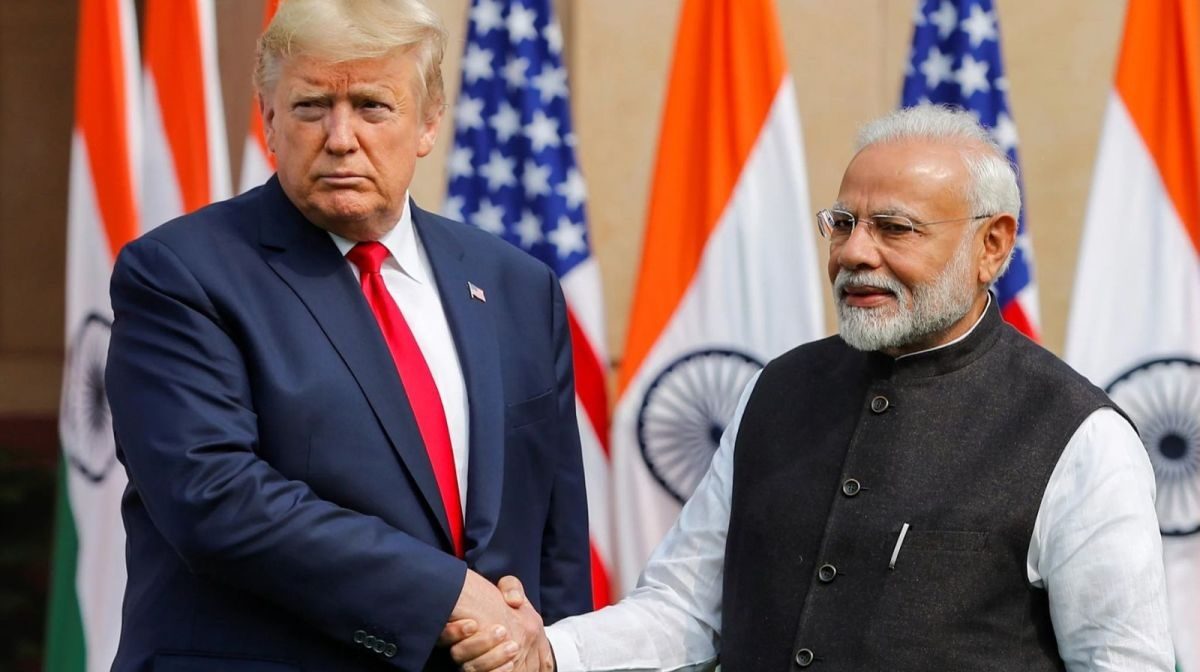
Risch described India as an essential partner in countering China’s influence in the Indo-Pacific and said the new deal would also support Washington’s efforts to weaken Russia’s war economy. He noted that India’s commitment to purchase more American goods would help reduce its reliance on Russian energy and contribute to efforts to end the war in Ukraine.
US Secretary of Agriculture Brooke Rollins said the agreement would provide a major boost to American farmers by expanding access to India’s vast consumer market. She said increased exports would raise prices for farm produce and inject new income into rural America.
Rollins pointed out that the United States recorded an agricultural trade deficit of 1.3 billion dollars with India in 2024. She added that India’s growing population makes it a key market for American farm products and that the deal could help narrow the trade gap.
Energy and investment cooperation was also highlighted by US Interior Secretary Doug Burgum, who described Trump as a dealmaker delivering record investments through American energy exports. He said the agreement demonstrated the use of energy diplomacy to strengthen international relationships while supporting the US economy.
President Trump announced that the trade deal would lower reciprocal tariffs on Indian goods from 25 per cent to 18 per cent. He said India would also reduce its tariffs and non-tariff barriers on American products to zero.
Senator Lindsey Graham said India had earned the tariff reduction and praised the agreement as part of a broader strategy to pressure countries that support Russia’s war effort. He said reducing purchases of Russian oil would increase pressure on Moscow and bring the conflict in Ukraine closer to an end.
Graham has previously proposed legislation that would impose steep tariffs on countries continuing to buy Russian oil.
Strategic analysts also reacted to the announcement. Kurt Campbell, Chairman and Co-Founder of Washington-based advisory firm The Asia Group and a former US Deputy Secretary of State, said the agreement was a welcome but delayed signal after months of strain in bilateral ties.
He said both sides were now attempting to restore momentum in a partnership once seen as central to the 21st century. While the deal includes steps to open Indian markets to US companies, Campbell noted that restoring long-term strategic alignment would remain a challenge.
The agreement was finalised after a phone conversation between President Trump and Prime Minister Narendra Modi. Trump said the two leaders discussed trade, global security and efforts to end the war between Russia and Ukraine.
Trump said India had agreed to stop buying Russian oil and instead increase purchases from the United States and potentially Venezuela. He added that India had committed to buying American energy, technology, agricultural products and other goods worth more than 500 billion dollars.
Prime Minister Modi welcomed the agreement and thanked President Trump for reducing tariffs on Indian products. He said the deal would benefit both nations and unlock new opportunities for cooperation between the world’s largest democracies.
Modi said stronger India-US ties would contribute to global peace, stability and prosperity and expressed his commitment to working closely with Trump to take the partnership to new heights.
The post US Leaders Hail India Trade Deal as Boost for American Farms, Energy Ties and Global Strategy appeared first on The Edge Media.
]]>The post Trump Reduces Tariff on Indian Imports by 18 Percent After Talks with Prime Minister Modi appeared first on The Edge Media.
]]>Earlier, Indian exports to the US were facing tariffs of up to 25 percent. With the new decision, these duties have now been lowered, bringing relief to Indian exporters and improving access to the American market. President Trump stated that his conversation with Prime Minister Modi was centered on respect, friendship, and strengthening economic ties between the two countries.
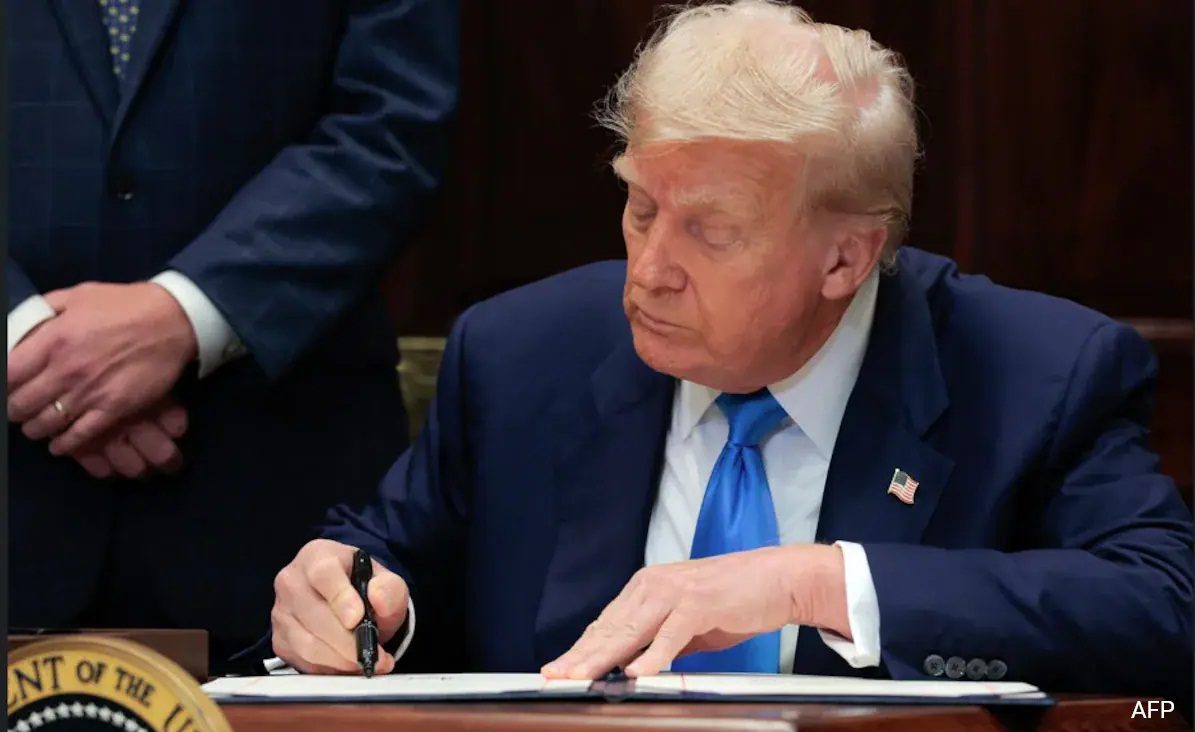
Sharing a photograph with Prime Minister Modi on social media, President Trump wrote that India is a great nation and a trusted partner. He said the relationship between the two democracies holds great importance for global stability and economic growth. Trump also praised Modi’s leadership and expressed confidence that cooperation between India and the United States would continue to expand.
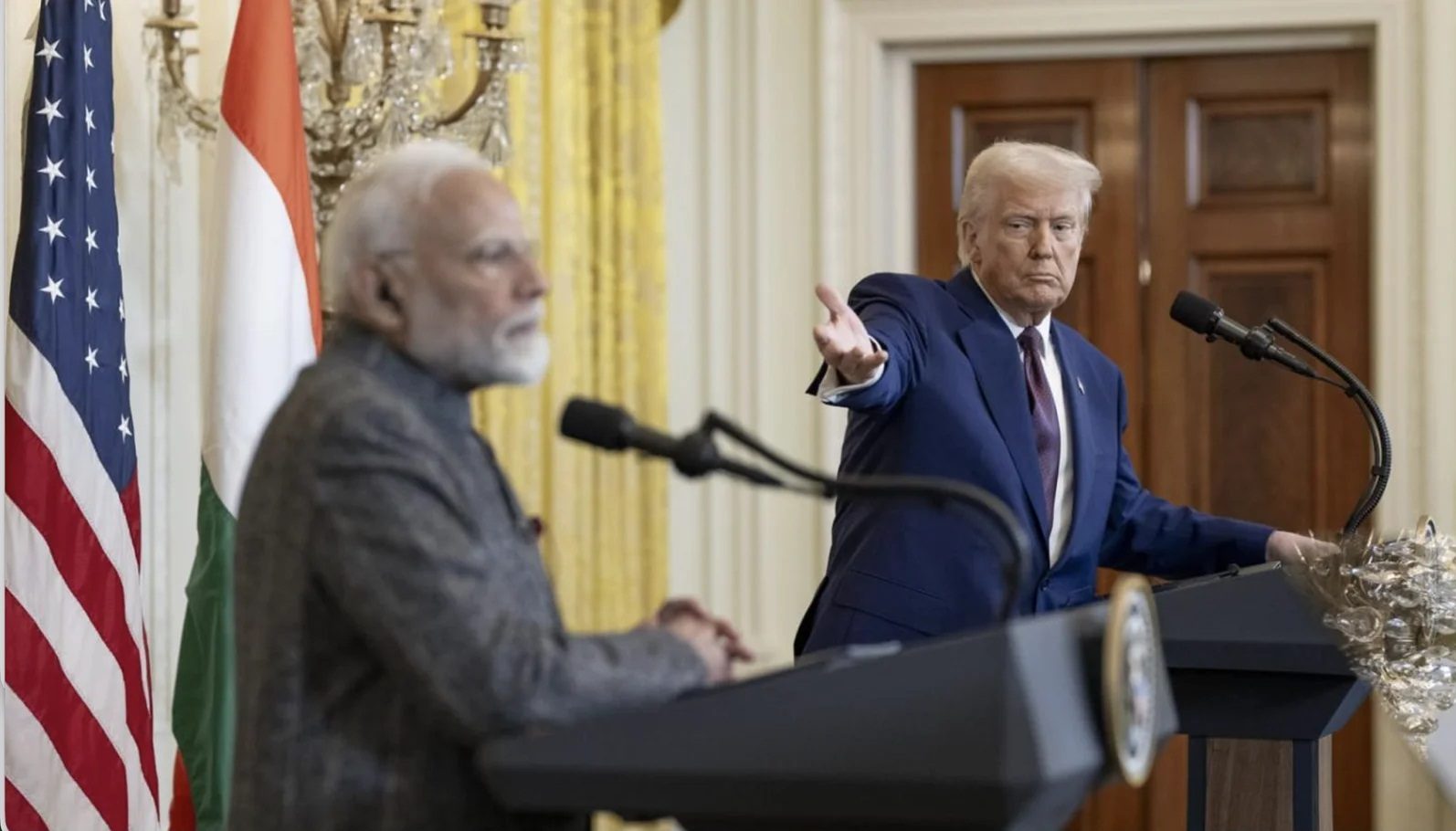
Prime Minister Narendra Modi welcomed the move and thanked President Trump for the decision. He said the reduction in tariffs would benefit millions of Indians and help Indian products become more competitive in global markets. Modi added that both leaders are working together to ensure fair trade, economic growth, and opportunities for businesses and workers in both countries.
Following the announcement, positive reactions were seen in American stock markets. Experts believe the tariff reduction will especially benefit sectors such as agriculture, textiles, pharmaceuticals, and engineering goods. Indian exporters are expected to gain improved access to one of the world’s largest consumer markets.
Analysts also see this step as a signal of improving India US relations. The decision comes at a time when global trade faces uncertainty, and cooperation between major economies is considered crucial for global peace, stability, and prosperity.
The post Trump Reduces Tariff on Indian Imports by 18 Percent After Talks with Prime Minister Modi appeared first on The Edge Media.
]]>The post Trump Says India Has Deal to Buy Venezuelan Oil, China Welcome Too appeared first on The Edge Media.
]]>Speaking to reporters aboard Air Force One, Trump claimed that India would be buying Venezuelan oil instead of sourcing it from Iran. He said the arrangement was already agreed in principle and described it as part of a broader understanding being shaped by Washington.
“China is welcome to come in and make a great deal on oil. We have already made a deal. India is coming in, and they are going to be buying Venezuelan oil as opposed to buying it from Iran,” Trump said, reiterating that the concept of the deal was already in place.
The Indian government has not yet issued any official response to Trump’s comments.
Earlier, Trump had stated that Venezuela had offered the United States 50 million barrels of oil, valued at about USD 5.2 billion, an offer he said Washington accepted. Addressing the media during an event marking the renaming of Southern Boulevard to Donald Trump Boulevard, he said Venezuelan authorities had approached the US citing a lack of storage capacity and the need to process the oil immediately.
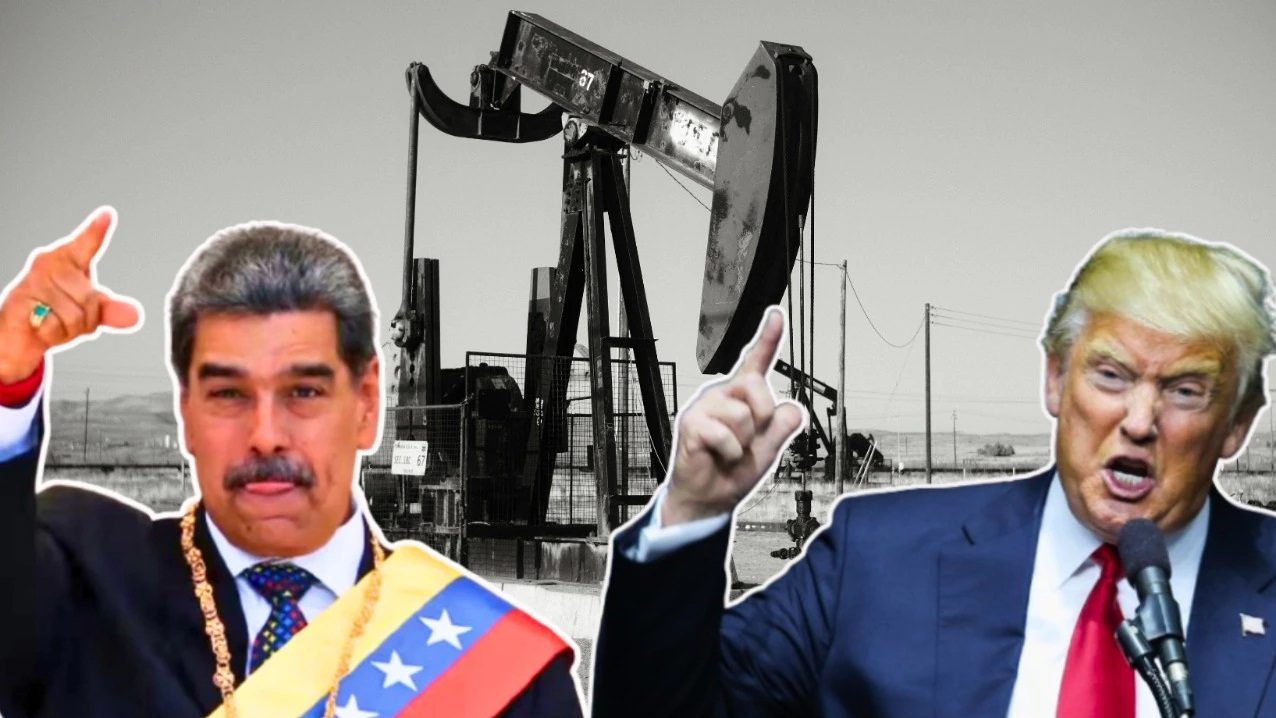
Trump also spoke of what he described as a strong relationship with Venezuela’s interim government, which was formed after the US captured former Venezuelan President Nicolas Maduro during a military operation. He said tensions had eased significantly following the change in leadership.
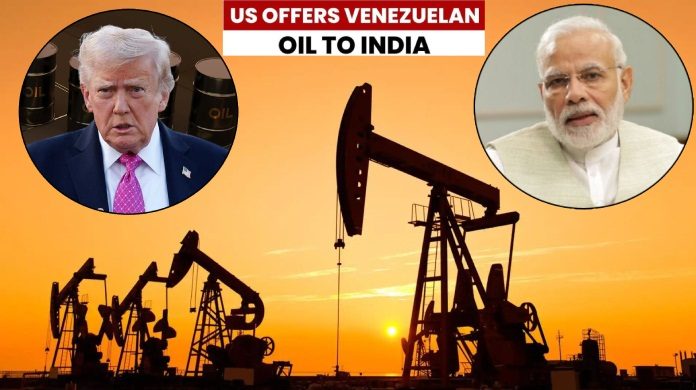
After Maduro’s capture, Trump had earlier asserted that the United States would effectively oversee Venezuela during a transition period and would require full access to the country’s oil resources and other strategic assets.
His remarks appear to align with a recent report by New York based news outlet Semafor, which said the US has completed its first sale of Venezuelan oil worth around USD 500 million. According to the report, the revenue from these oil sales is being held in bank accounts controlled by the US government, with one key account reportedly located in Qatar.
The post Trump Says India Has Deal to Buy Venezuelan Oil, China Welcome Too appeared first on The Edge Media.
]]>The post Tensions Rise Over Nuclear Issue as Trump Warns Iran of Major Attack appeared first on The Edge Media.
]]>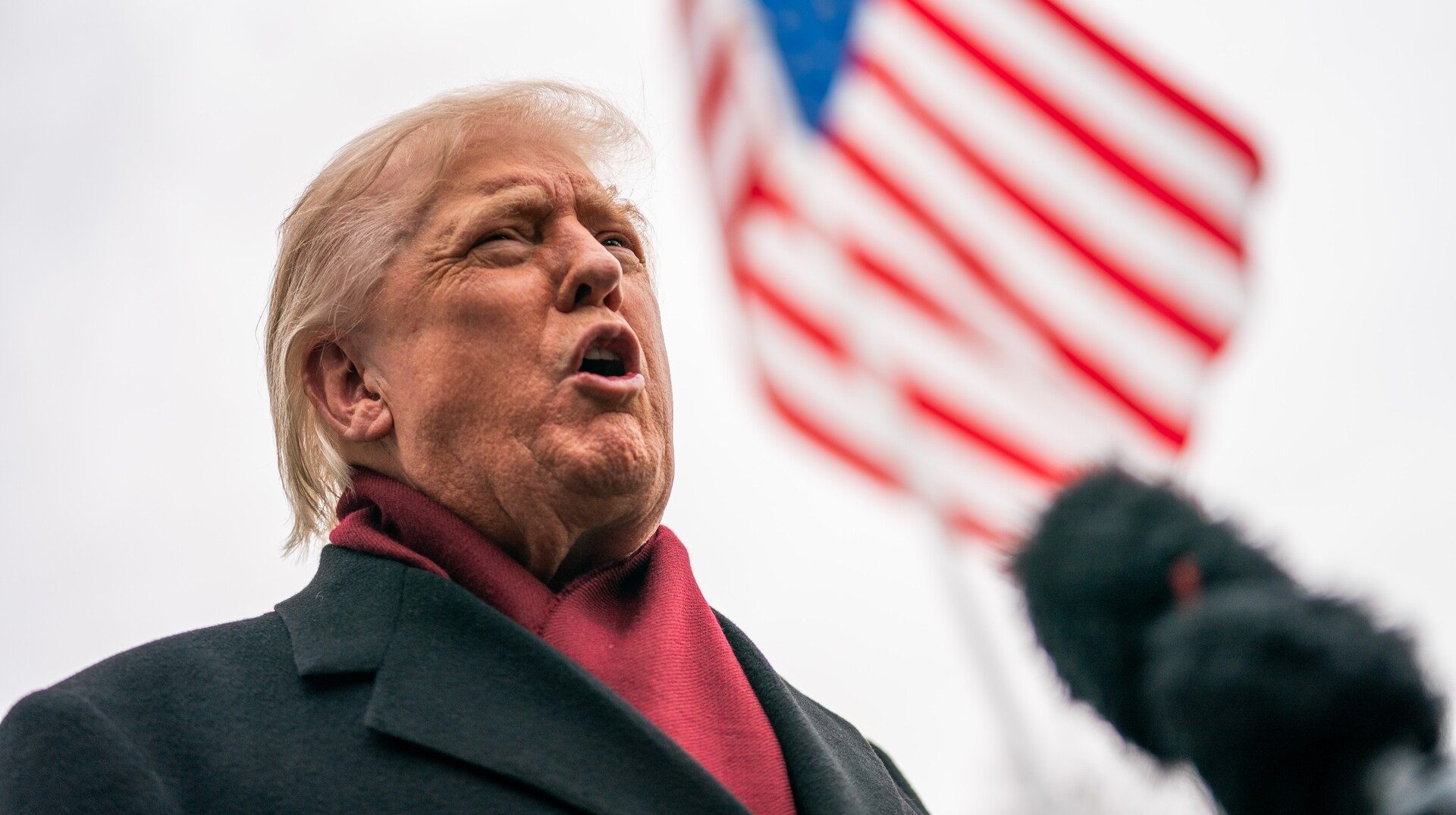
Speaking on Wednesday, Trump said that any future attack would be far more severe than previous military actions. In a post on social media, he stated that time was running out and expressed hope that Iran would soon return to the negotiating table. Trump also claimed that Iran does not want to develop nuclear weapons, suggesting that a diplomatic solution would benefit all parties. However, he added that US military preparedness toward Tehran was increasing.
Iran responded sharply to the warning. The country’s Foreign Minister said that negotiations cannot take place under threats. He stressed that Iran would not accept dialogue accompanied by pressure or intimidation. According to him, talks are only possible in an environment free from danger and coercion.
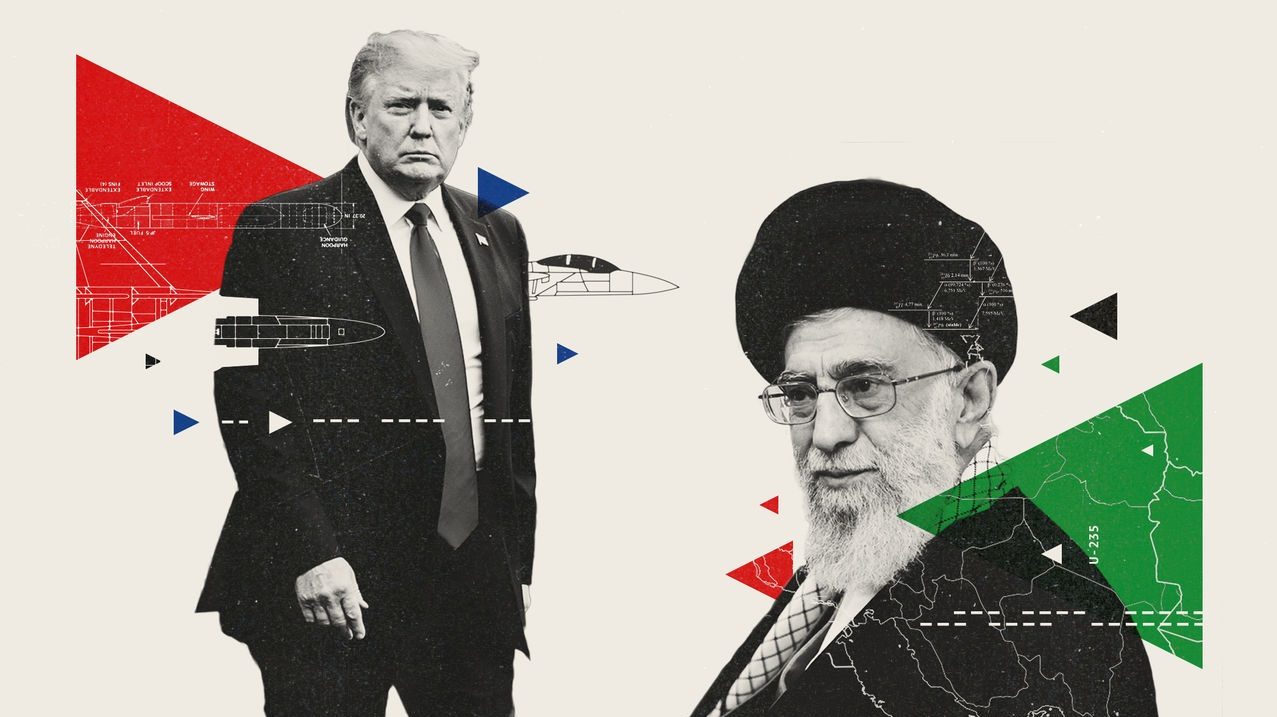
Turkey also weighed in on the situation, expressing readiness to facilitate negotiations over Iran’s nuclear issue. Turkish Foreign Minister Hakan Fidan stated that the disputes between the United States and Iran should be resolved one by one, beginning with the nuclear programme. He emphasised that Turkey opposes any foreign intervention or military attack on Iran, adding that initiating war would be a grave mistake.
Fidan further said that the US special envoy had not contacted Turkey in recent days, nor had Turkey requested talks. He noted that several countries were actively trying to mediate, and Ankara’s position was clear that dialogue must replace threats.
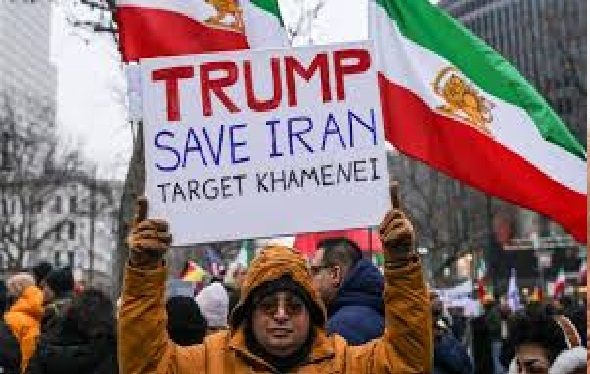
Commenting on potential Israeli military action, the Turkish foreign minister accused Israel of seeking to exploit internal protests in Iran to justify an attack. He warned that any instability caused by such actions would be extremely dangerous for the region.
The post Tensions Rise Over Nuclear Issue as Trump Warns Iran of Major Attack appeared first on The Edge Media.
]]>The post EU Suspends Trade Negotiations Following Threats from Trump appeared first on The Edge Media.
]]>
This move marks a significant cooling of relations between the long-standing allies, as European leaders push back against what they perceive as aggressive American posturing regarding Brexit and transatlantic commerce.
In a separate development highlighted in the report, Indian Union Minister Ashwini Vaishnaw asserted that India is currently leading the global stage in the field of Artificial Intelligence (AI).
Speaking on India’s technological trajectory, Vaishnaw emphasized that the nation is no longer just a participant but a frontrunner in shaping the future of AI and digital infrastructure.
The post EU Suspends Trade Negotiations Following Threats from Trump appeared first on The Edge Media.
]]>The post India Rejects US Claim on Trade Deal Delay, Reaffirms Commitment to Mutually Beneficial Pact appeared first on The Edge Media.
]]>Responding to the comments, the Ministry of External Affairs said that India and the United States had committed to negotiating a bilateral trade agreement as early as February 13 last year, following a meeting between Prime Minister Modi and President Trump at the White House. Since then, several rounds of negotiations have taken place to arrive at a balanced and fair deal, officials said.
External Affairs Ministry spokesperson Randhir Jaiswal stated that on multiple occasions the two sides had come close to sealing the agreement, adding that the portrayal of the talks in the reported remarks was not accurate. He emphasised that India remains interested in concluding a trade pact that benefits both sides and expressed hope that discussions would eventually lead to an agreement.
Jaiswal also pointed out that Prime Minister Modi and President Trump spoke over the phone eight times during 2025, covering a wide range of bilateral and global issues. According to people familiar with the negotiations, there was no stage during the past year when a single phone call could have concluded the trade deal.
The latest exchange comes against the backdrop of strained India US relations, which have faced significant challenges in recent months. Negotiations on the trade pact suffered a major setback after the United States imposed a steep 50 per cent tariff on Indian goods, including an additional 25 per cent duty linked to India’s purchase of Russian crude oil.
In his remarks on a podcast, Lutnick said India had been given three deadlines to finalise the deal and suggested that a direct call from Prime Minister Modi to President Trump was necessary to close it. He claimed that after the United States concluded a trade deal with the United Kingdom, India was expected to be next in line but failed to act within the expected timeframe. Lutnick also indicated that the previously negotiated deal with India was no longer under consideration.
At the same media briefing, the MEA spokesperson said India was closely monitoring developments related to a proposed Russia sanctions bill introduced by US Republican Senator Lindsey Graham. The bill seeks to impose tariffs of up to 500 per cent on countries purchasing Russian oil, including India and China.
Jaiswal reiterated that India’s approach to energy sourcing is guided by global market conditions and the need to ensure affordable energy for its population of 1.4 billion people.
Commenting on the United States decision to withdraw from several international organisations and UN bodies, including the International Solar Alliance, Jaiswal said India continues to support multilateralism. He noted that the ISA has made substantial progress in promoting solar energy cooperation among its 125 member countries and said India would continue to advance its objectives.
Apart from trade and tariffs, India US relations are also under strain due to differences over other issues, including President Trump’s claims about mediating the India Pakistan conflict last year and Washington’s evolving immigration policies.
The post India Rejects US Claim on Trade Deal Delay, Reaffirms Commitment to Mutually Beneficial Pact appeared first on The Edge Media.
]]>The post Donald Trump Repeats Claim of Halting India Pakistan Conflict, Mentions Eight Aircraft Shot Down appeared first on The Edge Media.
]]>In an interview with media on Thursday, Trump said he had helped put an end to several conflicts around the world. Referring to tensions in different regions, he remarked that he had stopped eight wars, even jokingly adding a fraction more due to renewed clashes between Thailand and Cambodia. He added that, in theory, one should receive a Nobel Prize for each war that is brought to an end.
Speaking about South Asia, Trump claimed that India and Pakistan were on the brink of a large scale confrontation. He said the situation was extremely serious, involving two nuclear capable nations, and asserted that his intervention helped stop the conflict. He again repeated that eight planes were downed during the fighting and described the episode as a major crisis that he helped resolve.
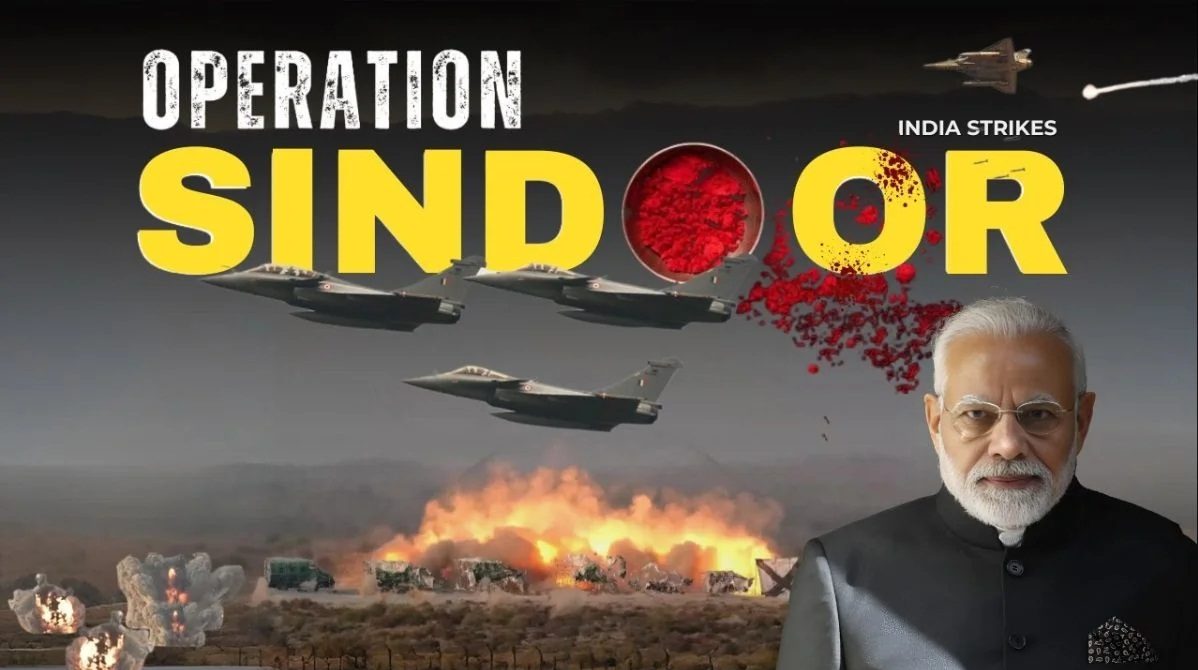
The escalation followed India’s launch of Operation Sindoor on May 7, which targeted terror infrastructure in Pakistan and Pakistan occupied Kashmir. The operation was carried out in response to the April 22 terror attack in Pahalgam that claimed the lives of 26 civilians. After four days of intense cross border drone and missile exchanges, India and Pakistan reached an understanding on May 10 to end hostilities. India has consistently maintained that the cessation of hostilities was achieved bilaterally and has rejected claims of any third party mediation.
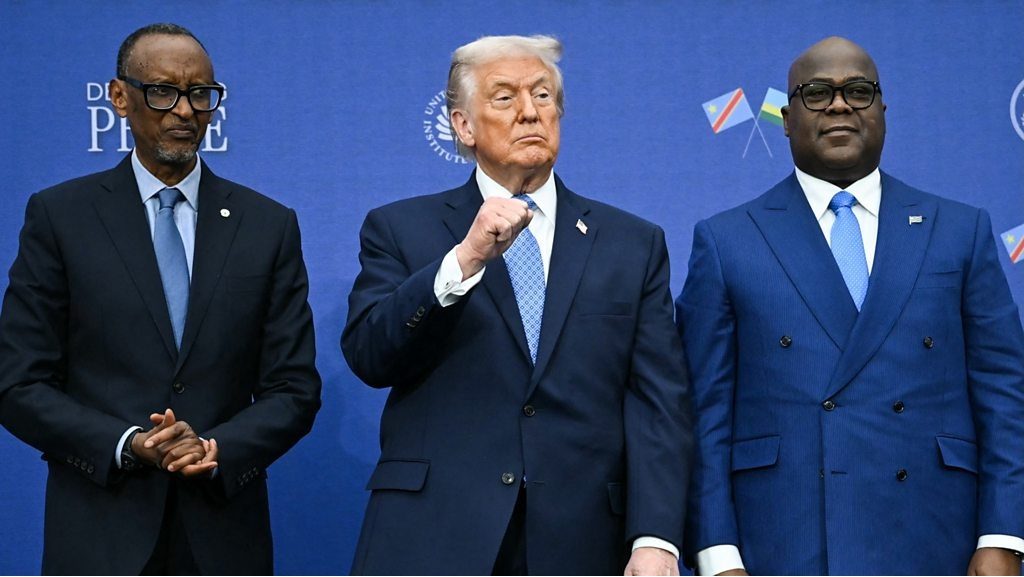
Trump also said he had helped end a long running conflict between Congo and Rwanda, which he claimed had lasted for nearly three decades. He said stopping such wars gave him personal satisfaction because, in his view, it helped save millions of lives rather than bringing recognition through awards.
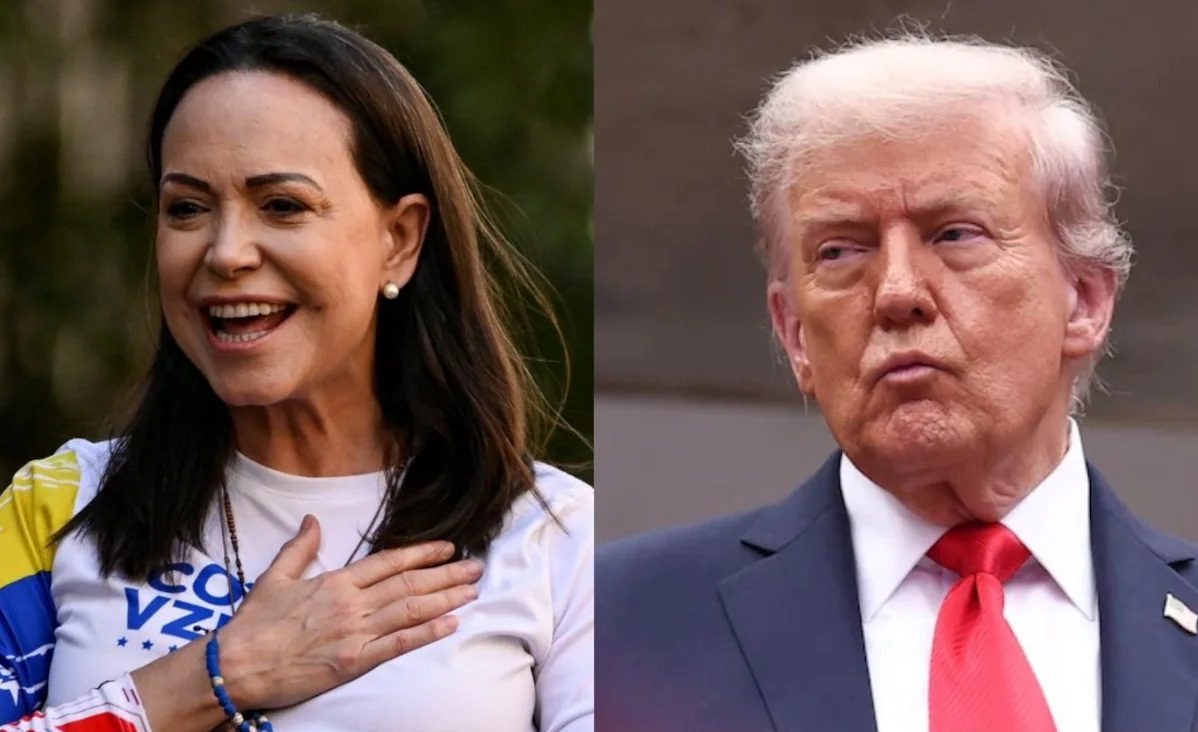
During the interview, Trump was also asked about Venezuelan opposition leader María Corina Machado, who last year dedicated her Nobel Peace Prize to him and reportedly expressed a desire to hand over the honour to Trump for what she described as liberating her country. Trump said he had heard she was expected to visit soon and that such a gesture would be a great honour.
He further commented that not receiving the Nobel Peace Prize had been a source of embarrassment for Norway, where the Nobel committee is based. Trump suggested that given the number of conflicts he claims to have resolved, he deserved recognition, adding that if someone stops eight wars, they should theoretically receive one prize for each.
The post Donald Trump Repeats Claim of Halting India Pakistan Conflict, Mentions Eight Aircraft Shot Down appeared first on The Edge Media.
]]>The post Donald Trump Highlights India US Defence Ties, Cites Delay in Apache Helicopter Delivery appeared first on The Edge Media.
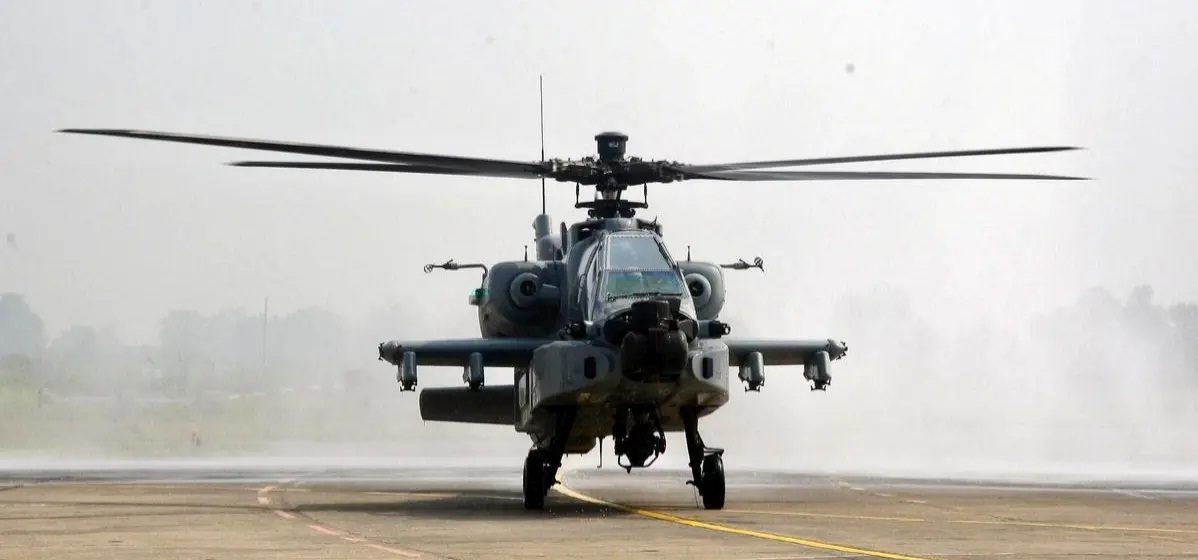
]]>Addressing the House GOP Member Retreat, Trump criticised what he described as long standing delays in supplying defence equipment, while presenting India US defence ties as an example of how such issues were being addressed.
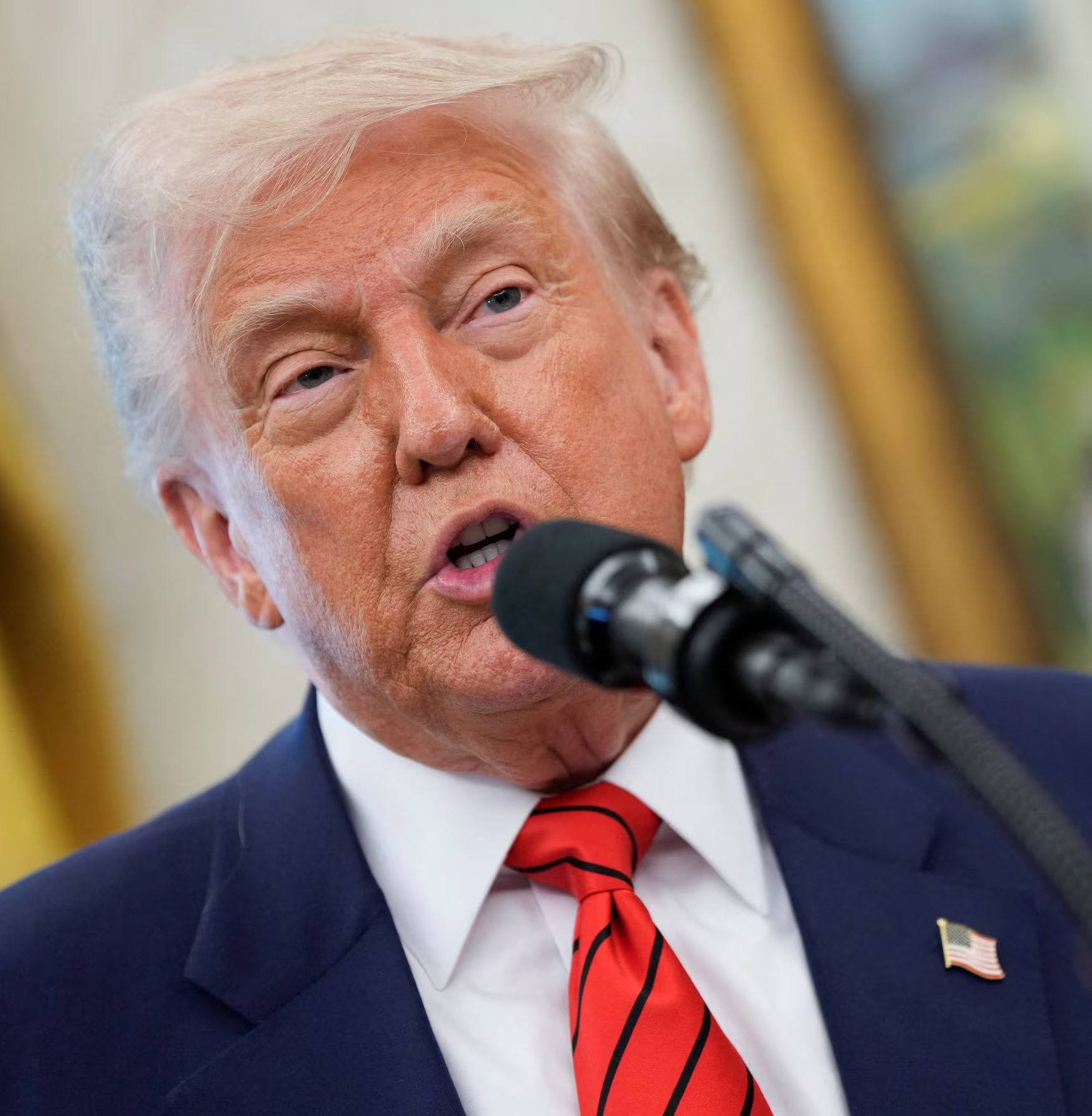
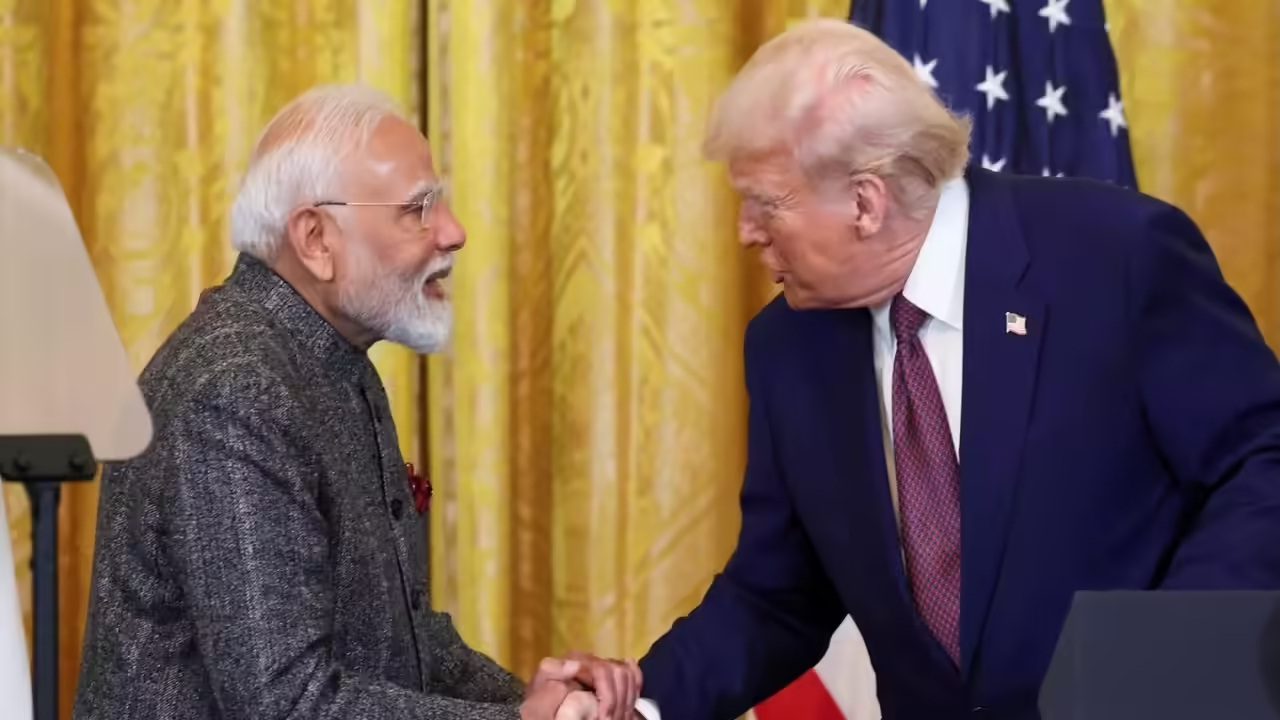
Recalling his interaction with the Indian Prime Minister, Trump said India had been waiting for years for the helicopters and that the situation was now being changed. He added that Prime Minister Modi had requested a meeting with him to discuss the matter.
Trump reiterated that he shared a good personal relationship with Prime Minister Modi, but noted that tensions had emerged over tariffs imposed on India. He said Modi was unhappy about the high duties, which he linked to India’s continued purchase of Russian oil. According to Trump, those tariffs have since been reduced substantially, while he again pointed to India’s energy trade with Russia as the source of friction.
The tariffs, which Trump said amounted to 50%, were imposed due to India’s large scale imports of Russian crude oil. The United States has argued that such purchases indirectly support Russia’s economy at a time when it is engaged in the conflict with Ukraine.
Trump’s remarks came shortly after he warned that Washington could further increase tariffs on Indian goods if New Delhi failed to address American concerns over Russian oil imports. He suggested that India was aware of his displeasure and had taken steps to ease tensions. Describing Prime Minister Modi as a good man, Trump said it was important for both sides to maintain a positive relationship.
Defending his tariff policy, Trump claimed that the United States was benefiting financially from the measures and asserted that they were an effective tool in shaping trade behaviour. He has repeatedly linked tariff pressure on India to its energy ties with Moscow and has accused New Delhi of strengthening Russia by purchasing discounted oil.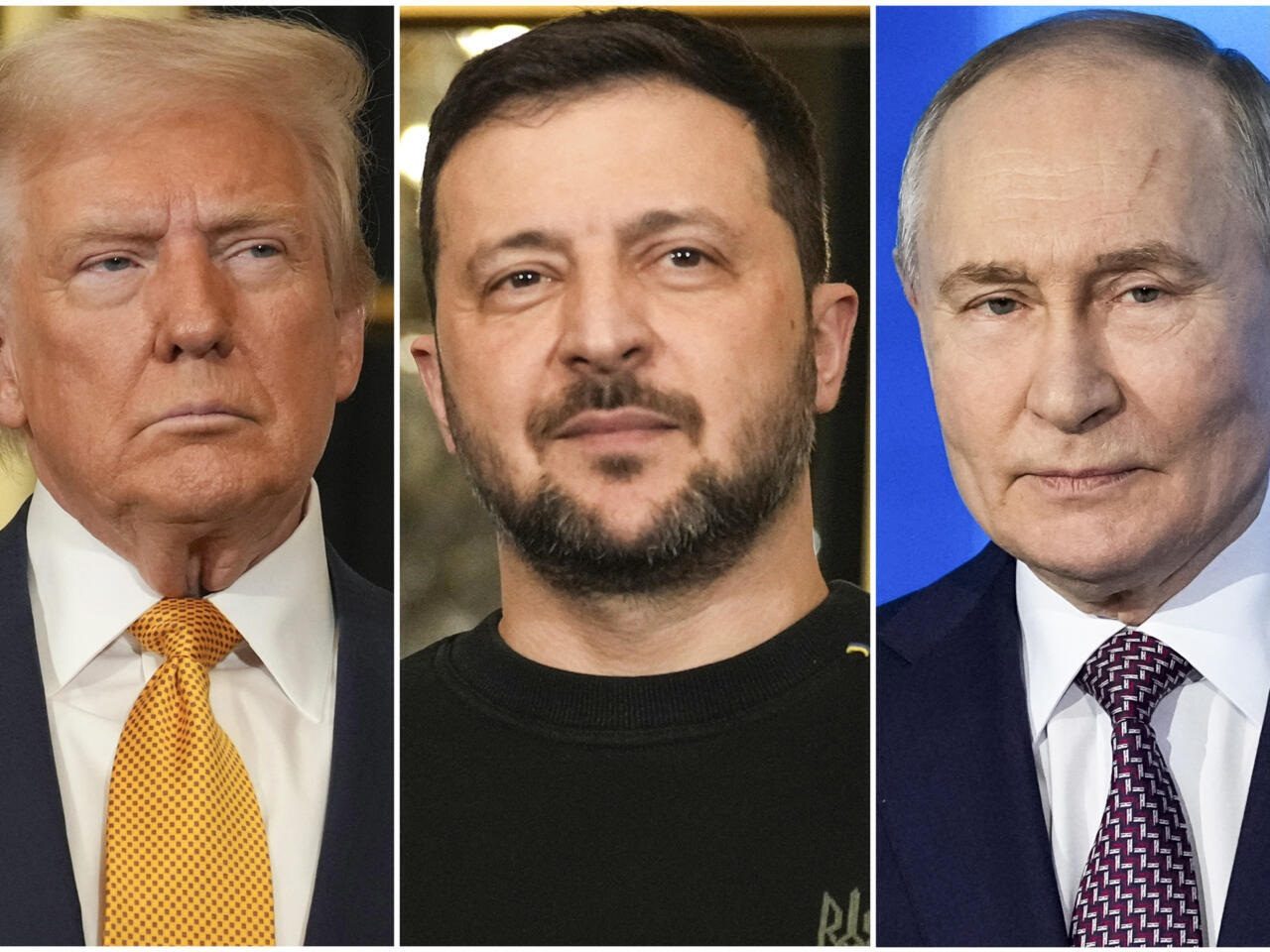 At the same time,, holding discussions with Russian President Vladimir Putin and Ukrainian President Volodymyr Zelenskyy, although no concrete breakthrough has been announced.
India has previously rejected Trump’s claim that Prime Minister Modi assured him that India would stop buying Russian oil. New Delhi clarified that no such assurance or conversation had taken place, reiterating that its energy decisions are guided by national interest.
The post Donald Trump Highlights India US Defence Ties, Cites Delay in Apache Helicopter Delivery appeared first on The Edge Media.
]]>The post India US Trade Deal Likely in First Half of the Year Says Ian Bremmer appeared first on The Edge Media.
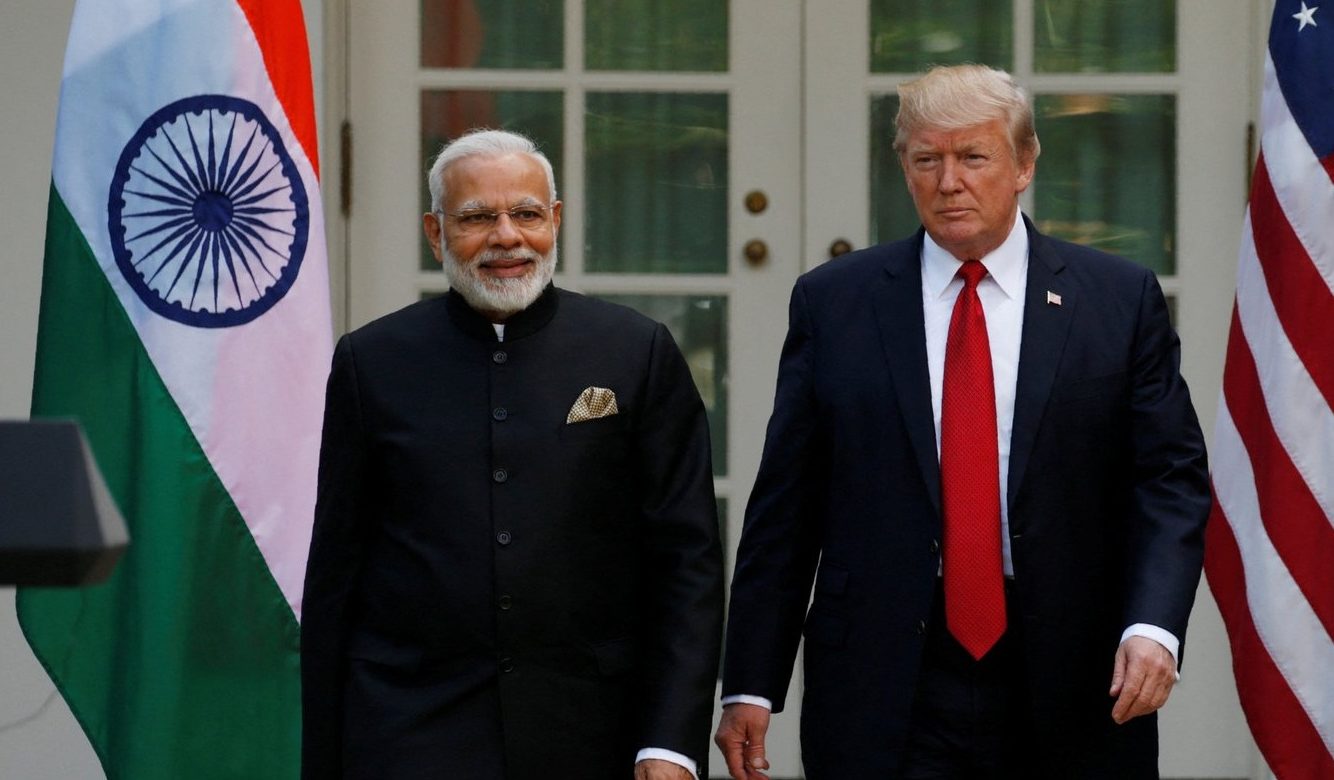
]]>
Ian Bremmer shared an optimistic outlook on the agreement with media and indicated that progress is firmly on track. He stated that while the tariff hike has drawn attention this year, its overall impact is unlikely to dominate India’s risk landscape in the following year.
Negotiations between India and the United States have been underway for several months, but the pace slowed after relations became strained in August last year. This followed Washington’s decision to impose a 50% tariff on certain Indian exports, citing India’s continued import of Russian oil. The move added complexity to the talks and affected momentum.
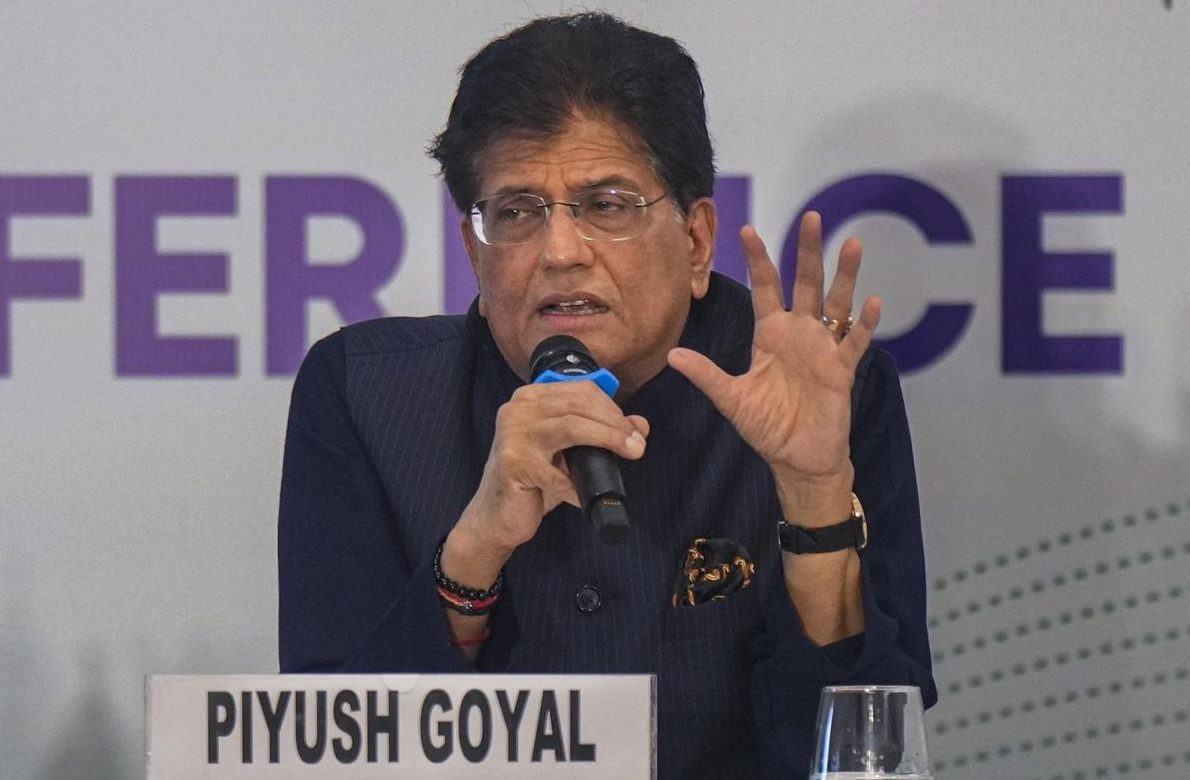
Prime Minister Narendra Modi last held discussions with former US President Donald Trump on December 11, shortly after Russian President Vladimir Putin’s visit to India. Later in December, US Deputy Trade Representative Rick Switzer visited India, after which Commerce Minister Piyush Goyal confirmed that the discussions with the United States had reached an advanced stage.
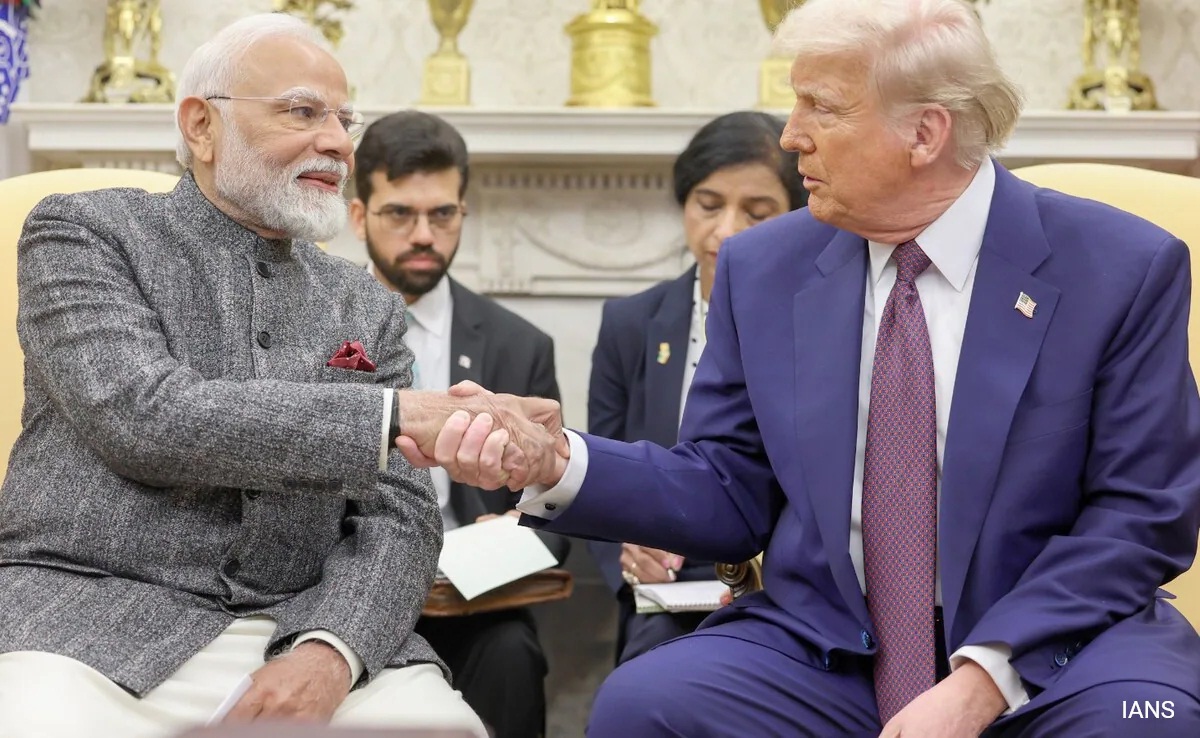
Earlier, Donald Trump also commented on his relationship with Prime Minister Modi, noting that despite cordial ties, there were disagreements related to tariffs and oil imports. He acknowledged that India has significantly reduced its oil purchases from Russia, which may influence future trade decisions.
The lack of a clearly defined timeline and the evolving nature of negotiations have increased pressure on Indian exporters as the new financial year approaches. Key domestic export industries, including leather, chemicals, footwear, gems and jewellery, textiles, and shrimp, have faced severe challenges due to the 50% US tariff and are now looking toward the proposed trade deal for potential relief in the near term.
The post India US Trade Deal Likely in First Half of the Year Says Ian Bremmer appeared first on The Edge Media.
]]>