

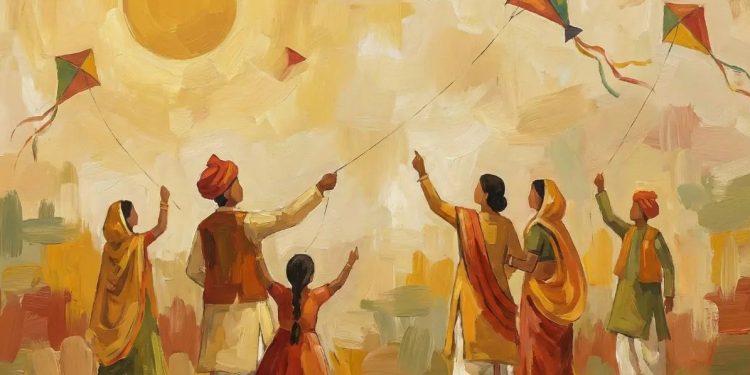
Makar Sankranti will be celebrated on January 15, when the Sun transits from Sagittarius to Capricorn at 9.19 pm on January 14, marking the beginning of Uttarayan and the end of Kharmas. This auspicious festival holds great importance for holy bathing and charitable acts, especially in sacred rivers. Despite the usual restriction on preparing khichdi on Thursdays, the festival significance allows the celebration of Khichdi Parv on January 15.
Makar Sankranti symbolises harmony between nature, solar worship and human life and holds a special place in Sanatan culture. This year, the festival will be observed on Thursday, January 15, although the Sun will enter Capricorn late on the night of January 14, which is considered the conclusion of Kharmas.

From January 15 onwards, auspicious activities other than marriage ceremonies may resume. Traditionally, Makar Sankranti is also celebrated as Khichdi Parv across many regions.
Pandits Dinesh Pandey, Vivekanand Pandey and Dhrup Pathak stated that the Sun will enter Capricorn from Sagittarius at 9.19 pm on Wednesday night, and therefore the festival will be observed on Thursday, January 15. According to scriptural rules, if Sankranti occurs after sunset or during the night, the auspicious observance is carried out the following day.
The Punyakal will remain valid on Thursday until 1.19 pm. Bathing during Kumbh Lagna, between 8.31 am and 10.02 am, is considered especially rewarding. During this period, bathing in holy rivers and donations are believed to bring spiritual merit. Items such as curd, flattened rice, black sesame seeds and blankets are considered auspicious for charity.

Khichdi will be prepared on Makar Sankranti this year. Pandits Vishwanath Tiwari and Vivekanand Pandey explained that the usual Thursday restriction on cooking khichdi does not apply on festival days. While khichdi is generally avoided on Thursdays, this distinction does not apply during special religious occasions, allowing devotees to celebrate Khichdi Parv on January 15.
Coincidentally, this year Makar Sankranti also falls on Til Dwadashi. According to belief, sesame seeds originated from Lord Vishnu on the Dwadashi of the Krishna Paksha in the month of Magh, making sesame offerings particularly significant.
Although Kharmas ends on Makar Sankranti, wedding ceremonies will resume only from February 4. People awaiting the start of the marriage season will need to wait for another 20 days. Auspicious ceremonies such as weddings remain restricted until February 4 due to the setting of Venus. While Venus will rise on February 1, marriages are considered permissible only after its three day infancy period concludes.




Discussion about this post