


Union Environment Minister Bhupender Yadav on Monday alleged that the Congress is spreading misinformation and false narratives regarding the new definition of the Aravalli mountain range and reiterated that legal mining is permitted in only a negligible portion of the region. Addressing a press briefing, the minister said the Narendra Modi government remains fully committed to conserving and rejuvenating the Aravallis.
He claimed that the Congress, during its time in power in Rajasthan, allowed widespread illegal mining and is now attempting to mislead the public by creating confusion over the revised definition.
According to Yadav, the new definition approved by the Supreme Court on the recommendation of the Ministry of Environment is intended to curb illegal mining and allow limited and sustainable mining only under strict scientific oversight.
read also: Government Says Over 90 Percent of Aravalli Region Will Remain Protected
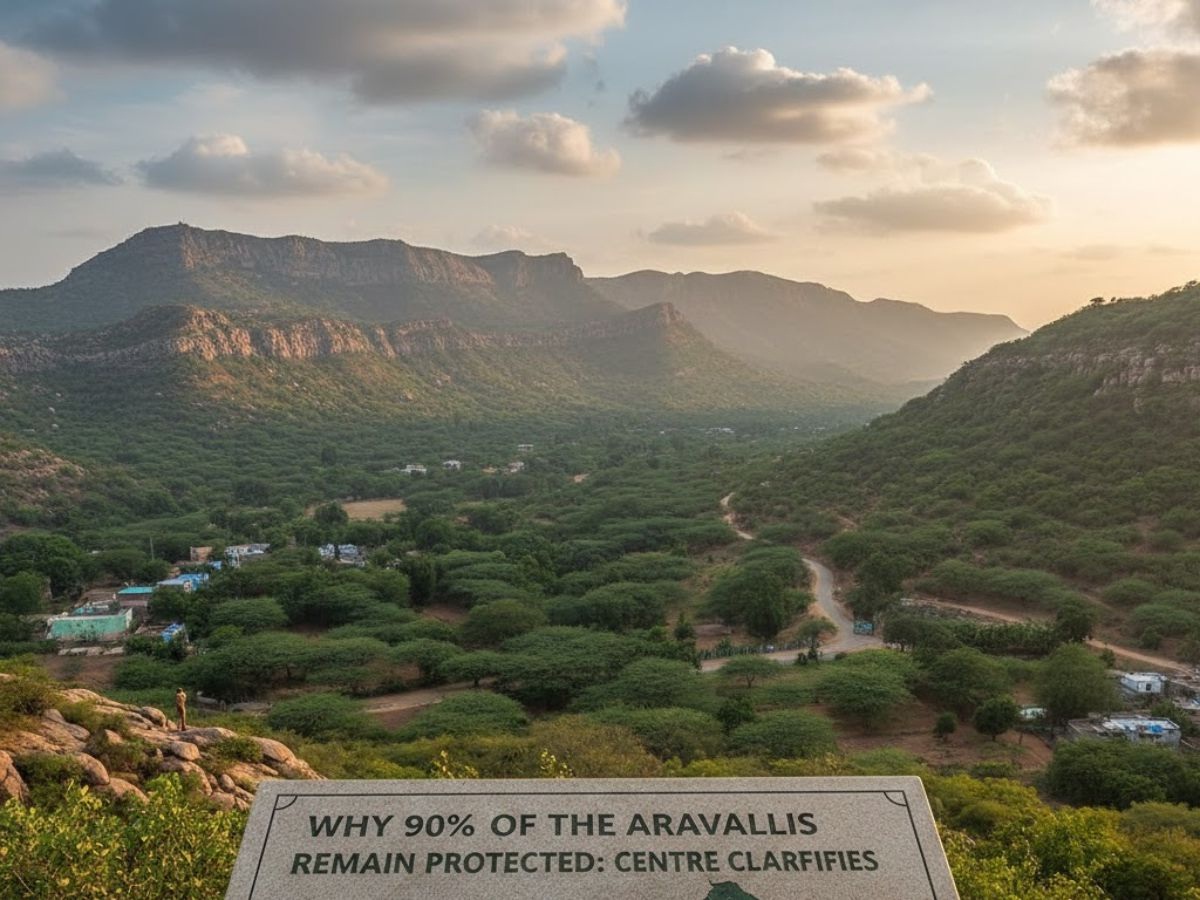
The minister explained that no fresh mining leases will be granted until a comprehensive Management Plan for Sustainable Mining is prepared by the Indian Council of Forestry Research and Education. This plan will scientifically identify zones where mining may be permitted only in rare and exceptional cases, while also demarcating ecologically sensitive and conservation critical areas where mining will remain strictly prohibited.
Yadav said that legally sanctioned mining currently covers only about 0.19 percent of the total geographical area across 37 Aravalli districts in Rajasthan, Haryana and Gujarat. He added that Delhi, which also has Aravalli districts, does not allow any mining activity at all. Existing mines, he said, can continue operations only if they strictly comply with the sustainable mining norms laid down by the committee.
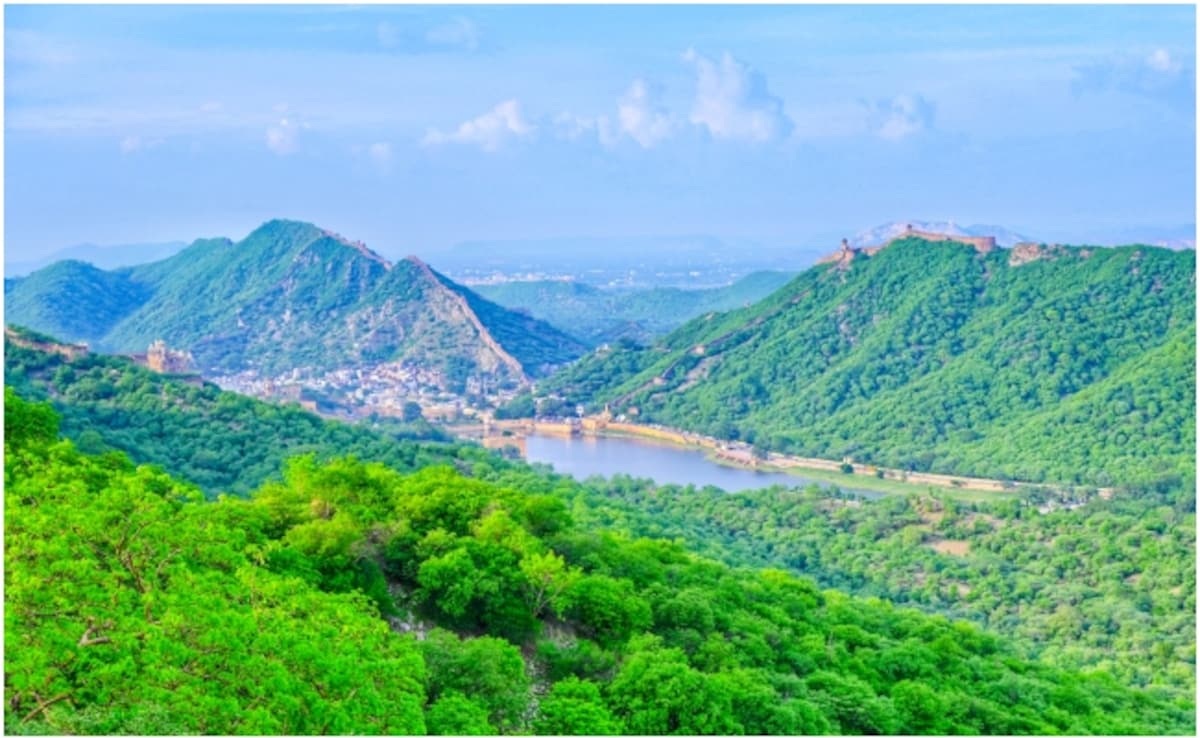
The Supreme Court in November 2025 approved a uniform legal definition of the Aravalli Hills and Aravalli Range. Under this framework, an Aravalli Hill is defined as a landform rising at least 100 metres above the surrounding terrain, while an Aravalli Range is identified as two or more such hills located within 500 metres of each other. Yadav clarified that all landforms within this 500 metre zone, regardless of their height or slope, are excluded from mining permissions.
Environmental groups and scientists have raised concerns that several ecologically significant features such as foothills, low ridges and recharge zones may fall outside the 100 metre threshold.
They argue that opening such areas to development could weaken groundwater systems, biodiversity and climate resilience. These concerns have sparked protests and online campaigns across several states.
Rejecting these allegations, the Centre has maintained that more than 90 percent of the Aravalli region remains protected and that the revised definition does not dilute environmental safeguards. The government has said the primary objective of the new framework is to prevent illegal mining while ensuring long term ecological protection of one of India’s oldest mountain systems.




Discussion about this post